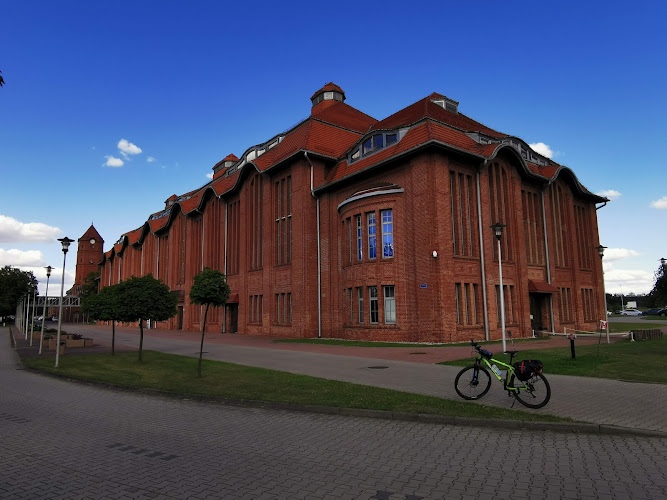
Located in Gliwice Poland, this department is part museum, part working atelier: visitors can study historic plaster models and finished bronze sculptures while also peeking into processes that are still used by craftsmen today. The tone here is quietly authoritative rather than flashy; it rewards curiosity and a willingness to linger.
Visitors often arrive expecting a typical display of bronze busts and plaques, and then discover layered stories about technique, restoration, and artistic intent. The permanent collection traces a timeline of casting methods used across the region—traditional sand casting, lost-wax casting, and modern adaptations that blend old patterns with contemporary alloys and tools. Interpretation panels are clear and well-written, and there are real-life examples that illustrate each method: a fragment of a mould here, a step-by-step sequence there, and a few unexpected objects—like an industrial prototype or a commemorative plaque—that tie the craft to everyday life.
This place is strongly geared toward people who like to know how things are made. If the reader is the kind of traveler who pokes at museum labels and asks sensible questions, the Artistic Casting Department will feel like a small treasure. The staff are knowledgeable, and sometimes a conservator or technician will be present and willing to explain complicated steps in plain language. That human interaction turns a passive visit into an educational experience; it’s one of those museums where curiosity actually gets rewarded.
Accessibility is a genuine plus here. The entrance is wheelchair accessible, the parking spaces include accessible options, and there is a wheelchair-accessible restroom. Those practical details matter because the layout is otherwise compact: halls are easy to navigate, ramps are present where needed, and display heights are thoughtfully chosen so both kids and adults in wheelchairs can see well. Restrooms are available, but guests should note there is no on-site restaurant; snack options are limited, so bringing water or a small snack is a sensible plan for families or long-stay visitors.
Speaking of families, the museum is surprisingly good for kids. There are tactile exhibits and simple demonstrations that capture attention—young visitors particularly enjoy watching poured metal replicas (usually in a demonstrative or video format rather than live molten metal) and handling approved cast fragments. The educational angle is strong: school groups frequently visit, and the department’s programs are structured to align with basic curriculum goals in art and science, which is handy for teachers planning a field trip.
Why does this museum stand out from other industrial or art museums in the region? First, it keeps a balance between art history and craft demonstration. Many museums lean one way or the other—either gorgeous finished art with little context or dry technical displays with no aesthetic emphasis. The Artistic Casting Department manages to show how technical choices influence artistic outcomes. A bronze figure is not just shown as finished art; its armature, mould design, and finishing techniques are explained, often with close-up photos and cross-section examples that make the process almost cinematic.
A second distinctive trait: the department treats restoration like an ongoing story. Visitors can learn not only how pieces were originally made but how they are conserved decades or even centuries later. That changes the visitor experience; it’s not only an archive but a living laboratory. People who are into conservation will find the equipment, the written case studies, and the before-and-after examples compelling. It feels practical rather than theoretical, and that helps demystify what can otherwise seem like secretive restoration work.
There’s also an unexpectedly strong connection to local history and public memory. Plaques, memorials, and civic sculptures from around Gliwice and nearby towns are documented here. The museum quietly explains why certain materials were chosen for particular commemorations or why specific foundries rose to prominence at particular historical moments. That narrative slotting of art into civic life makes a visit richer—suddenly an anonymous bronze figure in a town square has context and a maker, and the visitor gains a real sense of place.
The mood inside is scholarly but not rigid. Crowds are usually modest; the museum’s pace feels measured, which is a relief for those who dislike being hurried along audio tours or herded through themed galleries. On some days there are guided mini-tours that focus on a single technique or a single artist; these are worth seeking out. And if the reader enjoys a bit of serendipity, it’s not rare to stumble on a staff demonstration of mould-making or patination techniques, which can be unexpectedly memorable.
Practicalities that matter to real travelers: items on display are mostly in Polish with good multilingual captions, usually English at a minimum. Photography is generally allowed for personal use, but flash and tripods are discouraged—standard stuff, but worth remembering if someone wants to take dramatic close-ups. The museum shop is small but curated; landscape prints, small cast-souvenirs, and educational pamphlets are available. Don’t expect a large gift shop, but take note: the small scale keeps items interesting and often locally made.
For planning: visits can take from 45 minutes to two hours depending on level of interest. A typical first-time visit might run about an hour if the visitor reads labels and strolls slowly. Those who join a short demonstration or a guided talk will stay longer. If the traveler wants to combine a morning at the museum with an afternoon exploring Gliwice’s old quarter or nearby parks, that works well—the department’s size makes it easy to pair with other local attractions without exhausting the day.
There are a few lesser-known perks. Behind-the-scenes tours, offered occasionally, give a peek at storage areas, pattern collections, and archival drawings. These are sometimes reserved for researchers or special events, but the museum advertises them when available. Also, the department hosts short-term exhibits highlighting contemporary artists who work with metal; those shows create a nice contrast between traditional casting techniques and contemporary artistic experimentation. If a traveler times a visit to coincide with one of these temporary exhibitions, the experience often feels fresh and unexpectedly modern.
One honest note: because the place is specialized, it is not a blockbuster museum with massive halls and crowd-pleasing installations. Some visitors who expect a more theatrical museum experience may leave thinking it was smaller than hoped. But for those who appreciate depth over spectacle, the Artistic Casting Department offers a concentrated, thoughtful encounter with a craft that shaped public art across the region. The overall tone is respectful and explanatory rather than flashy, which suits the subject matter.
In short, the Museum in Gliwice – Artistic Casting Department is a quietly rewarding stop for travelers who like their cultural experiences grounded in technique and history. It’s accessible, kid-friendly, and intellectually satisfying. Those who linger will leave with new vocabulary—terms like sprue, cope, and patina suddenly feel less mysterious—and with a deeper appreciation for how metal can carry meaning across generations. That makes this department a small but meaningful highlight in Gliwice Poland for anyone curious about how art meets engineering in the world of casting.
 Real Journey Travels