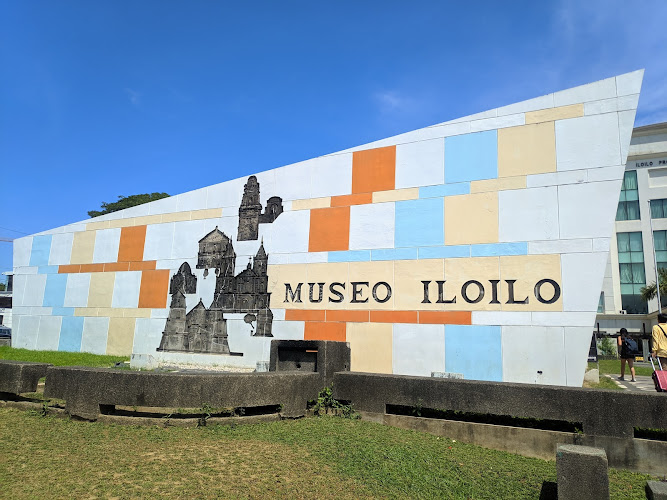
Description
Walking through these halls, you’ll find yourself face-to-face with centuries-old artifacts that tell stories most history books barely touch upon. The museum’s collection includes everything from ancient fossils that predate human civilization in the Philippines to religious sculptures that Spanish missionaries brought across the Pacific Ocean. And honestly, it’s the kind of place where you can easily lose track of time if you’re even remotely interested in history or anthropology.
I remember visiting similar provincial museums across Southeast Asia, and what struck me about this particular institution is how it balances academic rigor with accessibility. You don’t need to be a historian to appreciate what’s on display here. The curators have done a commendable job presenting materials in ways that speak to both casual visitors and serious researchers.
The building itself reflects a commitment to preservation and education that goes beyond simply storing old things behind glass. Various galleries showcase different aspects of Iloilo’s cultural evolution, from the pre-colonial trading networks that connected these islands to mainland Asia, through the dramatic changes brought by Spanish colonization, and into the revolutionary period that shaped modern Philippines. The paintings and sculptures distributed throughout the museum add artistic dimension to the historical narrative, showing how creative expression evolved alongside political and social changes.
What really sets Museo Iloilo apart from other regional museums is its collection of fossils and prehistoric materials. These specimens provide tangible evidence of the ancient ecosystems that once thrived in this region, connecting today’s tropical landscape to a dramatically different past. For families traveling with curious kids, these prehistoric displays often become the highlight of the visit.
Key Features
The museum offers several distinctive elements that make it worth including in any Iloilo itinerary:
• Extensive fossil collection showcasing prehistoric life forms from the region, including ancient marine creatures and terrestrial animals that inhabited these islands millions of years ago
• Historical artifacts from pre-colonial Filipino societies, demonstrating sophisticated metalworking, pottery, and jewelry-making traditions that existed long before European contact
• Spanish colonial-era religious sculptures and santos (saint figures) that reveal the complex interplay between Catholicism and indigenous spiritual practices
• Paintings from Filipino masters representing various artistic movements and periods, providing visual documentation of the region’s evolving identity
• Archaeological finds from burial sites and ancient settlements that illuminate burial practices and beliefs about the afterlife
• Ethnographic materials showing traditional clothing, tools, and household items from various Ilonggo communities
• Documents and photographs chronicling the Philippine Revolution and subsequent American colonial period
• Complete wheelchair accessibility throughout the facility, including entrances, restrooms, and gallery spaces
• On-site restroom facilities for visitor convenience during extended visits
• Educational displays that contextualize artifacts within broader historical and cultural frameworks
Best Time to Visit
Planning your visit to Museo Iloilo requires some consideration of both weather patterns and local tourism rhythms. The dry season from November through May generally provides the most comfortable conditions for exploring Iloilo City, and by extension, spending time at the museum without dealing with tropical downpours.
But here’s the thing – because this is primarily an indoor attraction, weather matters less than it would for beach destinations or outdoor heritage sites. I’d actually suggest visiting during weekday mornings, particularly Tuesday through Thursday, when tourist crowds thin out considerably and you can examine exhibits without constantly navigating around tour groups.
The museum tends to get busier during Philippine school holidays and long weekends when local families make cultural outings. If you prefer a quieter, more contemplative experience, avoid these peak periods. January through February offers a sweet spot – the post-holiday lull means fewer visitors, yet the weather remains pleasant for walking around Iloilo City before or after your museum visit.
Special exhibitions and cultural events sometimes pop up during the Dinagyang Festival period in January, though this also brings significantly larger crowds to the city overall. The festival celebrates Santo Niño and Ilonggo culture through street dancing and various cultural presentations, so visiting the museum during this time can provide additional context for the festivities happening outside. However, you’ll definitely be sharing the galleries with more people.
For photography enthusiasts, morning light tends to work better with the museum’s interior lighting setup. The natural light filtering through windows combines nicely with artificial lighting earlier in the day, creating better conditions for capturing images of artifacts and architectural details.
How to Get There
Reaching Museo Iloilo is relatively straightforward once you’ve arrived in Iloilo City proper. Most travelers fly into Iloilo International Airport, which connects to Manila, Cebu, and other major Philippine cities through multiple daily flights. The airport sits roughly 30-40 minutes from the city center depending on traffic conditions.
From the airport, you’ve got several transport options. Taxis and ride-hailing services like Grab operate reliably and will take you directly to the museum area. Expect to pay around 250-350 pesos depending on your negotiating skills and exact destination within the city. I’ve found that having the museum’s location pulled up on your phone’s map helps communicate with drivers, especially if language becomes a barrier.
For more budget-conscious travelers, jeepneys represent the quintessential Filipino transport experience. These colorfully decorated vehicles run regular routes throughout the city, though figuring out the route system takes some local knowledge or research. Ask your accommodation staff which jeepney routes pass near the museum – locals are generally helpful about directing tourists to cultural sites.
If you’re already staying in downtown Iloilo City, the museum may well be within walking distance depending on your hotel’s location. The city center isn’t massive, and walking lets you absorb the urban atmosphere while discovering cafes, shops, and other points of interest along the way.
Coming from other parts of Panay Island, buses and vans regularly service Iloilo City from towns like Kalibo, Roxas City, and San Jose de Buenavista. Upon arriving at one of the city’s bus terminals, catch a taxi or jeepney to complete your journey to the museum.
Tips for Visiting
Getting the most from your Museo Iloilo experience requires some practical preparation. First off, plan for at least two hours if you want to properly appreciate the collections without rushing. Sure, you could breeze through in 45 minutes, but what’s the point of that? The artifact labels and explanatory texts deserve reading, and the fossils alone warrant significant attention.
Bring a light jacket or long-sleeved shirt. I know that sounds counterintuitive in tropical Philippines, but museum air conditioning can get surprisingly chilly, especially if you’re spending extended time inside after walking through humid streets. You’ll thank me when you’re not shivering in front of a 16th-century santo.
Photography policies should be confirmed upon arrival – museums sometimes restrict flash photography or prohibit images of certain artifacts. Generally, personal photography without flash is acceptable for most displays, but respect any posted restrictions. These rules exist to preserve delicate materials from light damage.
The museum is genuinely family-friendly, and kids often find the fossil collections particularly engaging. However, bringing along some quiet activities for younger children during slower gallery sections helps maintain the contemplative atmosphere other visitors appreciate. The prehistoric displays usually capture children’s imagination more readily than cases of old pottery shards, so structure your visit accordingly.
Although there’s no restaurant on-site, restroom facilities are available and wheelchair accessible. Plan your meal times accordingly – Iloilo City offers excellent dining options nearby where you can sample local specialties like La Paz batchoy or fresh seafood after your museum visit.
Take time to read the descriptive texts accompanying exhibits. The curators have included information that contextualizes individual artifacts within broader historical movements and cultural practices. This background transforms static objects into storytelling devices that illuminate how people actually lived, believed, and created meaning in past eras.
Consider hiring a local guide if you really want deeper insights into the collections. While the museum provides written information, knowledgeable guides can share additional context, answer specific questions, and point out details you might otherwise overlook. Some guides work formally through the museum while others operate independently – ask at the information desk about availability.
Keep your expectations realistic. This is a provincial museum, not the Smithsonian or British Museum. The collections are significant and well-curated, but the scale and scope naturally differ from massive metropolitan institutions. What you lose in quantity, you often gain in focused, manageable exhibits that don’t leave you suffering from museum fatigue.
Check if any temporary exhibitions are running during your visit. These rotating displays sometimes showcase contemporary artists or specialized historical topics that complement the permanent collections. They add variety and give repeat visitors fresh content to experience.
Finally, remember that supporting regional cultural institutions like Museo Iloilo contributes to heritage preservation efforts. Your admission fees help fund conservation work, educational programs, and facility maintenance that keeps these cultural treasures accessible for future generations. That’s tourism dollars well spent in my book.