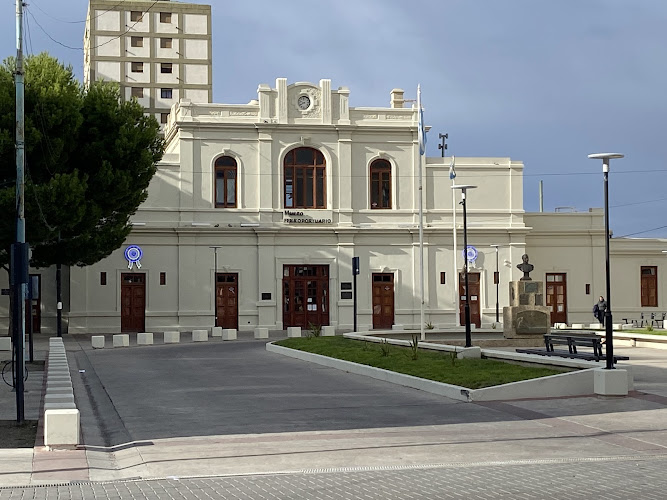
Description
What makes this museum particularly special is how personal it feels. It’s not one of those sterile, overly polished spaces where everything looks like it was just unpacked from a shipping crate. No — this place has character. You can see the wear and tear on the old railway tools, the faded photographs, even the rust on the machinery that once hauled cargo across the region. It’s authentic in the best sense of the word. You can almost imagine the workers, their hands blackened with soot, their laughter echoing across the docks.
I remember the first time I visited, I ended up chatting with one of the guides who used to work at the port back in the day. He had this way of telling stories that made you feel like you were there — the long shifts, the camaraderie, the pride. And that’s really what the Museo Ferroportuario does so well: it connects people to the real stories behind the town’s growth. It’s not just about trains and ships; it’s about the people who made them move.
Key Features
One of my favorite corners of the museum is a small section dedicated to the workers — portraits, tools, and even handwritten notes. It’s humble but powerful. You don’t need to be a history buff to appreciate it. Even if you’re just passing through town, it’s the kind of place that quietly leaves an impression.
Best Time to Visit
If you’re planning a trip, the best time to visit the Museo Ferroportuario is during the spring and early summer months — roughly from October to December. The weather in Comodoro Rivadavia is mild then, which makes strolling along the waterfront after your museum visit quite pleasant. The light during these months is also perfect for photography; the sun hits the old metal structures just right, making for some striking shots.
Weekdays tend to be quieter, so if you prefer a more reflective experience, go mid-morning on a Tuesday or Wednesday. On weekends, you might find more families and local visitors, which adds a nice buzz of energy but can make the smaller exhibits a bit crowded. If you’re lucky, you might catch a special event or exhibition — sometimes they host small cultural gatherings or temporary displays that highlight local artists or historical themes.
How to Get There
Getting to the Museo Ferroportuario is straightforward if you’re already in Comodoro Rivadavia. The museum is located near the heart of the city’s port area, easily accessible by car, taxi, or even on foot from many central hotels. If you’re using public transportation, several local bus routes pass nearby — just ask the driver to drop you close to the old port zone, and you’ll spot the museum’s distinctive facade soon after.
For those driving, there’s accessible parking nearby, including designated spaces for visitors with mobility needs. The roads are well-maintained, though traffic can get a bit tight during peak hours, especially around lunchtime when locals flock to nearby eateries. My advice? Take your time. Part of the charm of visiting this place is soaking in the industrial landscape that surrounds it — the cranes, the sea, the sense of history that lingers in the air.
Tips for Visiting
Before you go, here are a few things I’ve learned that might make your visit smoother — and more enjoyable:
- Take your time: Don’t rush through the exhibits. Some of the smaller details — like the handwritten logs or the old ticket stubs — tell the most fascinating stories.
- Talk to the staff: Seriously, they’re a goldmine of information. Many have personal ties to the port or the railway and love sharing anecdotes that you won’t find on any placard.
- Bring a camera: Photography is allowed, and the lighting inside is surprisingly good. The contrast of metal, wood, and natural light makes for beautiful shots.
- Dress comfortably: The museum isn’t huge, but you’ll likely want to explore the outdoor areas around it too. A light jacket is a good idea — the Patagonian wind has a way of sneaking up on you.
- Check for events: Sometimes, there are temporary exhibitions or local celebrations. These can give your visit an extra layer of meaning and fun.
- Bring the kids: It’s a great educational stop. The interactive displays make learning about the port and railway surprisingly engaging for younger visitors.
And here’s a small personal tip — after your visit, walk a few blocks toward the waterfront. There’s this quiet spot where you can sit and watch the waves crash against the rocks. It’s a simple thing, but it ties the whole experience together. You’ve just spent an hour or two learning about the people who helped build this city, and now you’re looking out at the same sea that shaped their lives. There’s something poetic about that.
What sets the Museo Ferroportuario apart from other small-town museums is its honesty. It doesn’t try too hard to impress; it just tells the story of a community that worked hard, adapted, and endured. The exhibits may not be flashy, but they’re heartfelt. And that’s what travelers often crave — authenticity, connection, and a sense of place that lingers long after they’ve moved on to the next destination.
If you’re the kind of traveler who loves discovering the quieter, more genuine corners of a city, this museum is worth your time. It’s a reminder that history isn’t just something that happened — it’s something people lived, day by day, with grit and pride. And in that sense, the Museo Ferroportuario is more than a museum; it’s a tribute to human endurance and the spirit of Patagonia itself.