
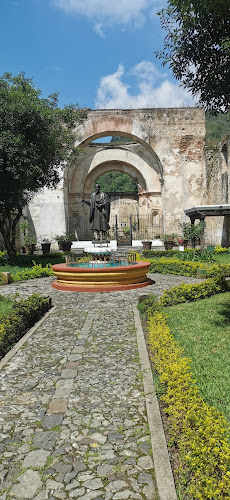
Museo del Hermano Pedro
About Museo del Hermano Pedro
Description
The Museo del Hermano Pedro in Antigua Guatemala is one of those places that quietly pulls you in without flashy gimmicks or crowds elbowing you for a selfie. It’s a spot deeply rooted in history, not just any history, but the story of Hermano Pedro de San José Betancur—the first saint of Central America. For anyone who’s into the blend of faith, culture, and a bit of dusty old-world charm, this museum offers a sincere peek into the life and times of a man who dedicated his life to the poor and sick back in the 1600s.
What’s truly striking about the museum is how it’s housed right near the ruins of the Convent where Hermano Pedro lived and worked. You don’t just see artifacts behind glass cases; you actually feel the stones and walls that still whisper stories hundreds of years old. The atmosphere? Well, it’s kind of reverent without being stuffy, perfect for reflection or just soaking up some serious historical mojo.
Despite its spiritual undertones, the museum is surprisingly accessible. Whether you’re pushing a stroller or in a wheelchair, the entrance and even the restrooms are thoughtfully designed to welcome everyone. That’s a big plus in a historic site because, let’s be honest, not all old places make it easy for folks with mobility needs. Kids can tag along too; the exhibits are straightforward enough to engage younger visitors without overwhelming them.
Now, it’s not Disneyland by any means. No fancy restaurants or flashy interactive tech here. This is more about stepping back, slowing down, and tuning into a simpler narrative. But for that, the Museo del Hermano Pedro shines. It’s a peaceful pause amid Antigua’s bustle and a pretty solid reminder of the city’s rich spiritual heritage.
Key Features
- Centrally located near the historic ruins of the Convent of Hermano Pedro, enhancing the immersive experience
- Wheelchair accessible entrance, parking, and restrooms—rare for a museum housed in colonial-era ruins
- Family-friendly environment making it a good stop for travelers with kids
- Extensive collection of personal artifacts, religious relics, and period documents related to Hermano Pedro
- Peaceful ambiance ideal for reflection, photography, or simply escaping the Antigua tourist crush
- Informative displays that are easy to follow even if you’re not a history buff
- Moderate visit duration—perfect for pairing with other stops in Antigua without feeling rushed
- Restroom facilities available on-site, though no dining options within the museum itself
Best Time to Visit
If you ask me, the sweet spot to visit the Museo del Hermano Pedro is early morning right when it opens or late afternoon before it closes. Antigua gets its fair share of tourists, especially mid-day, and while this museum isn’t usually slammed, early hours let you drift through the exhibits at your own pace with hardly a crowd in sight. There’s something about the soft morning light filtering through the old stone arches that just adds to the whole vibe.
Weather-wise, the dry season from November to April is your best bet if you want to combine your visit with some wandering through Antigua’s cobblestone streets without worrying about muddy puddles or sudden downpours. Plus, fewer rains mean better photo ops around the outdoor ruins adjacent to the museum. But, heads up: major holidays and festival times can get busy, so if you want to avoid the buzz, steer clear of Semana Santa (Holy Week).
How to Get There
Getting to the Museo del Hermano Pedro is pretty straightforward because it’s smack dab in the center of Antigua Guatemala—a walking-friendly city if there ever was one. If you’re already wandering around the iconic plaza or the main streets, it’s just a short stroll away. Honestly, one of the best parts about Antigua is ditching a car and just hoofing it, letting your senses soak up the colorful markets, colonial architecture, and street musicians as you go.
If you’re coming from the bus station or a hostel a bit farther out, just hop on a tuk-tuk or a local taxi to save some time. The drivers know the spot by name, and since it’s near some of the most visited areas, it’s easy enough to find. Public buses also pass nearby, but they can get crowded and aren’t quite as tourist-friendly if you’re unfamiliar with local routes. Also, if you’re driving, there’s street parking close by, but it’s somewhat limited, so go early or consider dropping off passengers first.
Tips for Visiting
Here’s where the rubber meets the road for your visit. First off, bring comfortable shoes—you’ll be on your feet and navigating cobblestones and some uneven surfaces around the ruins. Even though it’s wheelchair accessible, portions of the surrounding area can be rough, so plan a bit if mobility is a concern.
If you’re a shutterbug (guilty here), don’t forget your camera or phone with plenty of memory. The way the light interacts with the ancient stones and the simple exhibits makes for some lovely, low-key photo moments. But keep it respectful—this is a place of reverence for many locals and visitors alike.
Don’t expect flash photography or guided tours every day. The museum’s cozy size makes wandering on your own quite doable. However, if you catch a chance at a docent or guided visit, snap it up. Their stories bring Hermano Pedro’s life to vivid color—you’ll come away with details you’d otherwise miss.
Water and snacks? The museum itself doesn’t have a restaurant or café, so eat before you get there or plan a bite nearby afterward. Antigua boasts fantastic local eateries a short walk away; trust me on this. And finally, try to learn a bit about Hermano Pedro beforehand or just let the museum’s displays lead the way—it’s an experience that kind of grows on you.
Bottom line: Museo del Hermano Pedro isn’t just another dusty museum. It’s a heartfelt journey through time, faith, and a man’s legacy that still pulses in the heart of Antigua. So yeah, make some time for it—you might just find yourself unexpectedly moved and inspired.
Key Features
- Centrally located near the historic ruins of the Convent of Hermano Pedro, enhancing the immersive experience
- Wheelchair accessible entrance, parking, and restrooms—rare for a museum housed in colonial-era ruins
- Family-friendly environment making it a good stop for travelers with kids
- Extensive collection of personal artifacts, religious relics, and period documents related to Hermano Pedro
- Peaceful ambiance ideal for reflection, photography, or simply escaping the Antigua tourist crush
- Informative displays that are easy to follow even if you’re not a history buff
- Moderate visit duration—perfect for pairing with other stops in Antigua without feeling rushed
- Restroom facilities available on-site, though no dining options within the museum itself
Tours & Activities
GetYourGuide provides this tour inventory. We may earn a commission if you book through it; verify current availability, prices, and terms with the provider.
Visitor Reviews
There are no reviews yet. Be the first one to write one.
Share Your Experience
Have you visited Museo del Hermano Pedro? Help other travelers by leaving a review.