Museo de la Industria Azucarera – Casa Obispo Colombres
About Museo de la Industria Azucarera – Casa Obispo Colombres
Description
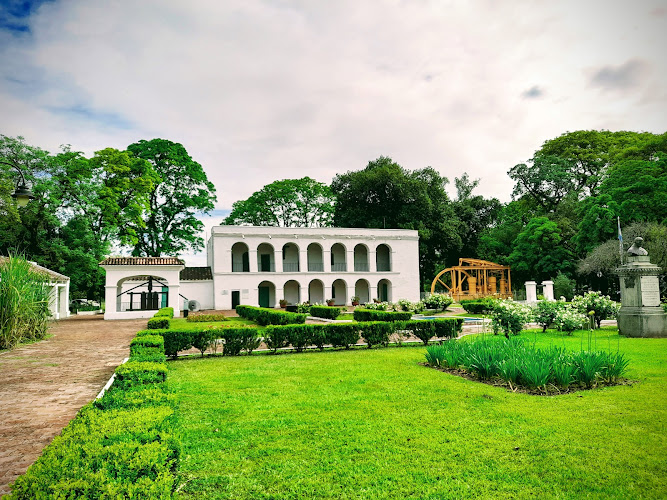
The Museo de la Industria Azucarera - Casa Obispo Colombres offers travelers a fascinating glimpse into Argentina's sugar industry heritage, housed in what was once the home of Bishop José Eusebio Colombres. And honestly, when you think about museums, a sugar industry museum might not immediately spring to mind as must-see material. But here's the thing – this place manages to transform what could be a dry historical topic into something genuinely compelling. The museum sits in a beautifully preserved colonial-style building that once belonged to one of the region's most influential figures. Bishop Colombres wasn't just a religious leader; he was basically the father of Argentina's sugar industry, having planted the first sugarcane crops in Tucumán back in the early 1800s. Walking through these rooms where he actually lived and worked gives you this strange connection to history that's hard to find in more modern museum spaces. What makes this museum particularly special is how it combines indoor exhibits with outdoor displays of massive machinery. You'll find yourself wandering through rooms filled with old documents and photographs one moment, then stepping outside to see enormous sugar processing equipment that looks like something out of an industrial revolution documentary. The contrast is striking and keeps things interesting throughout your visit. The museum does an admirable job of telling the complete story – not just the technical aspects of sugar production, but also the social and economic impact this industry had on the region. You learn about the workers, the plantation owners, the technological innovations, and how sugar shaped the entire cultural landscape of Tucumán province. It's the kind of place where you walk in thinking you'll spend 30 minutes and suddenly realize you've been there for two hours.Key Features
The museum presents several distinctive elements that make it worth adding to your Argentine travel itinerary: • The original Casa Obispo Colombres building itself stands as an architectural treasure, maintaining much of its colonial-era charm with thick walls, traditional tile work, and period furnishings that transport you back to the 19th century • An impressive collection of antique sugar processing machinery fills the outdoor areas, including massive iron presses, grinding wheels, and transport equipment that demonstrate the sheer scale of industrial sugar production • Historical documents and photographs chronicle the development of the sugar industry from its inception through various technological advances, providing context that brings the machinery to life • Interactive displays explain the sugar production process from planting sugarcane through final refinement, making complex industrial processes accessible to visitors of all ages • The museum grounds feature beautifully maintained gardens that showcase the types of vegetation common to sugar plantations, offering pleasant walking paths between exhibit areas • Educational programs and guided tours are available, though you can also explore independently if you prefer moving at your own pace • Wheelchair accessibility throughout the property ensures visitors with mobility challenges can experience the full museum without limitations • Free parking both in a dedicated lot and on surrounding streets removes one common travel headache from your visit planning • Restroom facilities on site mean you can spend several hours exploring without needing to leave the premises • The family-friendly environment makes this an excellent option for travelers with children who might find purely traditional museums boringBest Time to Visit
Timing your visit to the Museo de la Industria Azucarera requires considering both weather conditions and tourist patterns in Tucumán province. The museum welcomes visitors year-round, but some seasons definitely offer advantages over others. The autumn months from March through May provide probably the most comfortable visiting conditions. Temperatures are moderate, not too hot for wandering around the outdoor machinery exhibits, and the tourist crowds haven't reached their peak yet. I remember visiting a similar outdoor museum during peak summer once, and let me tell you, standing next to giant iron machinery in blazing heat isn't exactly pleasant. The metal literally radiates warmth back at you. Winter (June through August) brings cooler temperatures that some travelers appreciate, though you'll want to bring layers since the indoor portions of the museum can get chilly in these older buildings without modern climate control. The upside is fewer crowds and more opportunity to really examine exhibits without jostling for position. Spring (September through November) sees pleasant weather return along with blooming vegetation in the museum gardens. This is when the grounds look their absolute best, making it ideal for photographers or anyone who appreciates aesthetic surroundings. But be aware that local school groups often schedule field trips during these months, so weekday mornings can get busy. Summer (December through February) brings hot temperatures and higher humidity typical of this region. The outdoor portions of the museum can be uncomfortable during midday hours. If you're visiting during summer, aim for morning hours right when they open or later afternoon sessions. The building's thick colonial walls do provide some relief from the heat, which is nice. Weekdays generally offer a quieter experience than weekends, when local families make this a recreational destination. Tuesday through Thursday mornings tend to be the calmest periods if you prefer minimal crowds.How to Get There
Reaching the Museo de la Industria Azucarera requires some planning, but the journey is straightforward enough for most travelers navigating Argentina's northwest region. If you're flying into the area, Benjamín Matienzo International Airport in San Miguel de Tucumán serves as your entry point. From there, you'll need ground transportation to reach the museum. Taxis and ride-sharing services operate from the airport, though rental cars give you more flexibility for exploring the broader region during your stay. The museum is located outside the main city center, so having your own transportation definitely makes things easier. Driving yourself allows you to come and go on your own schedule without depending on taxi availability or public transit timetables. The free parking situation is genuinely convenient – you don't need to worry about feeding meters or searching for spots, which is refreshing. Public transportation does serve the area, though routes and schedules can be confusing for international visitors unfamiliar with the local system. Buses run from central Tucumán toward the museum area, but you'll need to research current routes and ask locals for guidance. The language barrier can make this challenging if your Spanish is limited. Many travelers find that booking a day tour from Tucumán city simplifies logistics considerably. Several tour operators include the museum as part of broader excursions exploring the region's cultural and historical sites. This option works well if you're uncomfortable navigating independently or prefer having a guide provide context and translation. If you're already exploring Tucumán province by car, the museum makes an excellent stop while traveling between other destinations. The surrounding area offers additional attractions worth visiting, so consider building a full day itinerary rather than making this an isolated trip. Walking from central Tucumán isn't really practical due to distance and limited pedestrian infrastructure along the route. Save your energy for exploring the museum grounds themselves.Tips for Visiting
Making the most of your Museo de la Industria Azucarera experience involves some practical preparation and realistic expectations about what you'll encounter. Plan for at least two hours minimum, though three gives you room to really absorb the exhibits without rushing. I've found that museum visits always take longer than expected once you actually start engaging with the material. You'll want time to read the informational plaques, examine the machinery up close, and wander the gardens without constantly checking your watch. Bring sun protection for the outdoor portions – hat, sunglasses, and sunscreen. Much of the machinery display area lacks shade, and the Argentine sun is no joke, especially during warmer months. Comfortable walking shoes are essential too, since you'll be moving between different exhibit areas on various surfaces including grass, gravel, and paving. Photography is generally permitted and encouraged, so bring your camera or ensure your phone is fully charged. The old machinery makes for fantastic photos, particularly if you're into industrial heritage or historical documentation. The lighting can be tricky indoors in some of the older rooms, so adjust your expectations accordingly. Spanish language skills help tremendously, as most signage and explanatory materials are primarily in Spanish. Some exhibits have English translations, but don't count on comprehensive bilingual information throughout. Consider bringing a translation app on your phone or hiring a guide if language barriers concern you. The museum is genuinely accessible for wheelchair users and visitors with mobility limitations, which unfortunately isn't always the case with historical properties. Take advantage of this if needed – the staff understands accessibility requirements and can point you toward the easiest routes through the property. Families with kids will find this more engaging than typical museums thanks to the machinery and outdoor spaces. Children can burn energy walking between exhibits rather than being confined to hushed indoor galleries. That said, the industrial equipment is authentic and potentially dangerous, so supervise young children carefully and respect safety barriers. No restaurant operates on site, so eat before arriving or bring snacks if you're prone to hunger. You'll find restrooms available, but food and beverage options are limited. Plan your visit between meals or pack a small picnic to enjoy in the garden areas. Check current operating hours before visiting, as museums in Argentina sometimes adjust schedules for holidays, special events, or maintenance periods. Showing up to closed doors after traveling to get there is frustrating and avoidable with a quick verification. The admission fee is modest compared to international museum standards, making this an affordable cultural activity. Bring cash if possible, as smaller Argentine museums don't always have reliable card payment systems. Consider combining your museum visit with other nearby attractions to maximize your time in the area. The Tucumán region offers numerous historical sites, natural areas, and cultural experiences within reasonable driving distance. Don't rush through the exhibits just to say you've been. The real value comes from slowing down and considering how this one industry shaped an entire region's development. Think about the workers who operated this machinery, the families whose livelihoods depended on sugar production, and how global commodity markets influenced life in this specific place. And finally, keep an open mind about what might initially seem like a niche topic. Sugar industry history sounds specific – maybe even boring – until you start connecting it to broader themes of agriculture, industrialization, economics, and social change. The Museo de la Industria Azucarera tells a much bigger story than just how sugar gets made.Key Features
- Key Features
- Best Time to Visit
- How to Get There
- Tips for Visiting
More Details
Updated March 30, 2026
Table of Contents
- Description
- Key Features
- Best Time to Visit
- How to Get There
- Tips for Visiting
- Key Highlights
- Location
- Places to Stay Near Museo de la Industria Azucarera - Casa Obispo Colombres
- Find and Book a Tour
- Explore More Travel Guides
- Nearby Places You Might Like
- Traveler Reviews for Museo de la Industria Azucarera – Casa Obispo Colombres
- Share Your Experience
Description
The Museo de la Industria Azucarera – Casa Obispo Colombres offers travelers a fascinating glimpse into Argentina’s sugar industry heritage, housed in what was once the home of Bishop José Eusebio Colombres. And honestly, when you think about museums, a sugar industry museum might not immediately spring to mind as must-see material. But here’s the thing – this place manages to transform what could be a dry historical topic into something genuinely compelling.
The museum sits in a beautifully preserved colonial-style building that once belonged to one of the region’s most influential figures. Bishop Colombres wasn’t just a religious leader; he was basically the father of Argentina’s sugar industry, having planted the first sugarcane crops in Tucumán back in the early 1800s. Walking through these rooms where he actually lived and worked gives you this strange connection to history that’s hard to find in more modern museum spaces.
What makes this museum particularly special is how it combines indoor exhibits with outdoor displays of massive machinery. You’ll find yourself wandering through rooms filled with old documents and photographs one moment, then stepping outside to see enormous sugar processing equipment that looks like something out of an industrial revolution documentary. The contrast is striking and keeps things interesting throughout your visit.
The museum does an admirable job of telling the complete story – not just the technical aspects of sugar production, but also the social and economic impact this industry had on the region. You learn about the workers, the plantation owners, the technological innovations, and how sugar shaped the entire cultural landscape of Tucumán province. It’s the kind of place where you walk in thinking you’ll spend 30 minutes and suddenly realize you’ve been there for two hours.
Key Features
The museum presents several distinctive elements that make it worth adding to your Argentine travel itinerary:
• The original Casa Obispo Colombres building itself stands as an architectural treasure, maintaining much of its colonial-era charm with thick walls, traditional tile work, and period furnishings that transport you back to the 19th century
• An impressive collection of antique sugar processing machinery fills the outdoor areas, including massive iron presses, grinding wheels, and transport equipment that demonstrate the sheer scale of industrial sugar production
• Historical documents and photographs chronicle the development of the sugar industry from its inception through various technological advances, providing context that brings the machinery to life
• Interactive displays explain the sugar production process from planting sugarcane through final refinement, making complex industrial processes accessible to visitors of all ages
• The museum grounds feature beautifully maintained gardens that showcase the types of vegetation common to sugar plantations, offering pleasant walking paths between exhibit areas
• Educational programs and guided tours are available, though you can also explore independently if you prefer moving at your own pace
• Wheelchair accessibility throughout the property ensures visitors with mobility challenges can experience the full museum without limitations
• Free parking both in a dedicated lot and on surrounding streets removes one common travel headache from your visit planning
• Restroom facilities on site mean you can spend several hours exploring without needing to leave the premises
• The family-friendly environment makes this an excellent option for travelers with children who might find purely traditional museums boring
Best Time to Visit
Timing your visit to the Museo de la Industria Azucarera requires considering both weather conditions and tourist patterns in Tucumán province. The museum welcomes visitors year-round, but some seasons definitely offer advantages over others.
The autumn months from March through May provide probably the most comfortable visiting conditions. Temperatures are moderate, not too hot for wandering around the outdoor machinery exhibits, and the tourist crowds haven’t reached their peak yet. I remember visiting a similar outdoor museum during peak summer once, and let me tell you, standing next to giant iron machinery in blazing heat isn’t exactly pleasant. The metal literally radiates warmth back at you.
Winter (June through August) brings cooler temperatures that some travelers appreciate, though you’ll want to bring layers since the indoor portions of the museum can get chilly in these older buildings without modern climate control. The upside is fewer crowds and more opportunity to really examine exhibits without jostling for position.
Spring (September through November) sees pleasant weather return along with blooming vegetation in the museum gardens. This is when the grounds look their absolute best, making it ideal for photographers or anyone who appreciates aesthetic surroundings. But be aware that local school groups often schedule field trips during these months, so weekday mornings can get busy.
Summer (December through February) brings hot temperatures and higher humidity typical of this region. The outdoor portions of the museum can be uncomfortable during midday hours. If you’re visiting during summer, aim for morning hours right when they open or later afternoon sessions. The building’s thick colonial walls do provide some relief from the heat, which is nice.
Weekdays generally offer a quieter experience than weekends, when local families make this a recreational destination. Tuesday through Thursday mornings tend to be the calmest periods if you prefer minimal crowds.
How to Get There
Reaching the Museo de la Industria Azucarera requires some planning, but the journey is straightforward enough for most travelers navigating Argentina’s northwest region.
If you’re flying into the area, Benjamín Matienzo International Airport in San Miguel de Tucumán serves as your entry point. From there, you’ll need ground transportation to reach the museum. Taxis and ride-sharing services operate from the airport, though rental cars give you more flexibility for exploring the broader region during your stay.
The museum is located outside the main city center, so having your own transportation definitely makes things easier. Driving yourself allows you to come and go on your own schedule without depending on taxi availability or public transit timetables. The free parking situation is genuinely convenient – you don’t need to worry about feeding meters or searching for spots, which is refreshing.
Public transportation does serve the area, though routes and schedules can be confusing for international visitors unfamiliar with the local system. Buses run from central Tucumán toward the museum area, but you’ll need to research current routes and ask locals for guidance. The language barrier can make this challenging if your Spanish is limited.
Many travelers find that booking a day tour from Tucumán city simplifies logistics considerably. Several tour operators include the museum as part of broader excursions exploring the region’s cultural and historical sites. This option works well if you’re uncomfortable navigating independently or prefer having a guide provide context and translation.
If you’re already exploring Tucumán province by car, the museum makes an excellent stop while traveling between other destinations. The surrounding area offers additional attractions worth visiting, so consider building a full day itinerary rather than making this an isolated trip.
Walking from central Tucumán isn’t really practical due to distance and limited pedestrian infrastructure along the route. Save your energy for exploring the museum grounds themselves.
Tips for Visiting
Making the most of your Museo de la Industria Azucarera experience involves some practical preparation and realistic expectations about what you’ll encounter.
Plan for at least two hours minimum, though three gives you room to really absorb the exhibits without rushing. I’ve found that museum visits always take longer than expected once you actually start engaging with the material. You’ll want time to read the informational plaques, examine the machinery up close, and wander the gardens without constantly checking your watch.
Bring sun protection for the outdoor portions – hat, sunglasses, and sunscreen. Much of the machinery display area lacks shade, and the Argentine sun is no joke, especially during warmer months. Comfortable walking shoes are essential too, since you’ll be moving between different exhibit areas on various surfaces including grass, gravel, and paving.
Photography is generally permitted and encouraged, so bring your camera or ensure your phone is fully charged. The old machinery makes for fantastic photos, particularly if you’re into industrial heritage or historical documentation. The lighting can be tricky indoors in some of the older rooms, so adjust your expectations accordingly.
Spanish language skills help tremendously, as most signage and explanatory materials are primarily in Spanish. Some exhibits have English translations, but don’t count on comprehensive bilingual information throughout. Consider bringing a translation app on your phone or hiring a guide if language barriers concern you.
The museum is genuinely accessible for wheelchair users and visitors with mobility limitations, which unfortunately isn’t always the case with historical properties. Take advantage of this if needed – the staff understands accessibility requirements and can point you toward the easiest routes through the property.
Families with kids will find this more engaging than typical museums thanks to the machinery and outdoor spaces. Children can burn energy walking between exhibits rather than being confined to hushed indoor galleries. That said, the industrial equipment is authentic and potentially dangerous, so supervise young children carefully and respect safety barriers.
No restaurant operates on site, so eat before arriving or bring snacks if you’re prone to hunger. You’ll find restrooms available, but food and beverage options are limited. Plan your visit between meals or pack a small picnic to enjoy in the garden areas.
Check current operating hours before visiting, as museums in Argentina sometimes adjust schedules for holidays, special events, or maintenance periods. Showing up to closed doors after traveling to get there is frustrating and avoidable with a quick verification.
The admission fee is modest compared to international museum standards, making this an affordable cultural activity. Bring cash if possible, as smaller Argentine museums don’t always have reliable card payment systems.
Consider combining your museum visit with other nearby attractions to maximize your time in the area. The Tucumán region offers numerous historical sites, natural areas, and cultural experiences within reasonable driving distance.
Don’t rush through the exhibits just to say you’ve been. The real value comes from slowing down and considering how this one industry shaped an entire region’s development. Think about the workers who operated this machinery, the families whose livelihoods depended on sugar production, and how global commodity markets influenced life in this specific place.
And finally, keep an open mind about what might initially seem like a niche topic. Sugar industry history sounds specific – maybe even boring – until you start connecting it to broader themes of agriculture, industrialization, economics, and social change. The Museo de la Industria Azucarera tells a much bigger story than just how sugar gets made.
Key Highlights
- Key Features
- Best Time to Visit
- How to Get There
- Tips for Visiting
Location
Places to Stay Near Museo de la Industria Azucarera - Casa Obispo Colombres
Find and Book a Tour
Explore More Travel Guides
No reviews found! Be the first to review!
Museo de la Industria Azucarera – Casa Obispo Colombres is a prominent museums located in San Miguel de Tucumán.
Visit us at: Parque 9 de Julio, T4000 San Miguel de Tucumán, Tucumán, Argentina.
Traveler Reviews for Museo de la Industria Azucarera – Casa Obispo Colombres
There are no reviews yet. Be the first one to write one.
Have you visited Museo de la Industria Azucarera – Casa Obispo Colombres? Help other travelers by sharing your review.
Find Accommodations Nearby
Recommended Tours & Activities
Visitor Reviews
There are no reviews yet. Be the first one to write one.
Share Your Experience
Have you visited Museo de la Industria Azucarera – Casa Obispo Colombres? Help other travelers by leaving a review.
