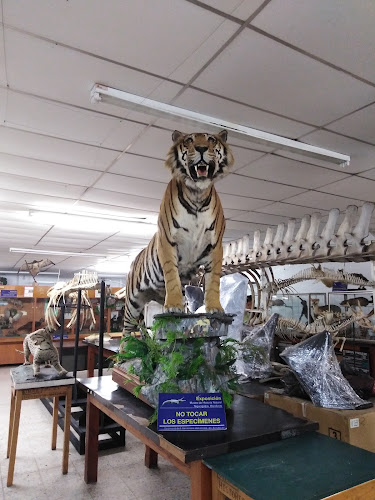
Description
What’s most fascinating is how the museum manages to bridge science and storytelling. Each exhibit feels like a conversation between the earth and its inhabitants. From fossils that whisper of prehistoric landscapes to preserved specimens that showcase the country’s incredible biodiversity, the museum offers a vivid snapshot of Honduras’ natural heritage. It’s not just about looking at things in glass cases — it’s about understanding where they came from and what they mean for the future.
And honestly, there’s something charming about the museum’s slightly old-school vibe. You won’t find fancy touchscreens or holograms here, but you’ll find passion — the kind that comes from people who truly care about what they’re preserving. The staff, many of them biology students or researchers, are always eager to share stories about the exhibits. If you’re the kind of traveler who loves learning and discovering hidden gems that don’t make it into glossy travel brochures, this place will absolutely win you over.
Key Features
- Seven Dioramas: The permanent exhibition is divided into seven dioramas that take you through different ecosystems and geological eras, from ancient fossils to modern fauna.
- Extensive Collection: Features the most comprehensive collection of Honduran fauna, including birds, reptiles, amphibians, and mammals, all meticulously preserved and identified.
- Fossil and Rock Displays: Showcases volcanic, metamorphic, and sedimentary rocks that tell the geological story of the region.
- Educational Focus: Serves as a learning hub for students and researchers, offering guided tours and educational programs.
- Museum Móvil: A mobile extension project that brings the museum experience to remote areas across Honduras, spreading knowledge beyond the university walls.
- Accessibility: The entrance is wheelchair accessible, and the space is generally easy to navigate for visitors with mobility needs.
- Family-Friendly: It’s a great place to bring children — the exhibits are engaging, and the staff often encourage questions from curious little minds.
- Restroom Facilities: Basic amenities are available for visitors’ comfort, though there is no on-site restaurant.
What makes the museum stand out is its authenticity. It’s not trying to impress; it’s trying to teach. And in doing so, it leaves a lasting impression. The exhibits are well-maintained, the information is clear, and the overall atmosphere is peaceful — perfect for travelers who enjoy taking their time to absorb every detail.
Best Time to Visit
If you’re planning a visit, weekdays are ideal. Since the museum is located within a university campus, weekends and holidays can sometimes mean limited access or fewer staff available for guided tours. The best time to go is during the morning hours when the campus is lively but not crowded. You’ll get to see students bustling around, adding to the sense that this is a living, breathing place of learning.
Weather-wise, Tegucigalpa has a fairly mild climate year-round, but if you want to avoid the rain (and trust me, tropical downpours can be unpredictable), aim for the dry season — roughly from November to April. That way, you can combine your museum visit with a stroll around the campus or nearby attractions without worrying about soggy shoes.
I once visited during the rainy season, and while the museum itself was cozy and dry, getting there was a bit of an adventure — dodging puddles, juggling an umbrella, and trying not to slip on the wet pavement. Still, there was something oddly fun about it. So even if it rains, don’t let that stop you. Just come prepared.
How to Get There
Getting to the Museo de Historia Natural is pretty straightforward if you’re already in Tegucigalpa. The museum sits inside the main campus of the Universidad Nacional Autónoma de Honduras, which is one of the city’s most recognizable landmarks. Taxis and ride-sharing services are readily available and usually the easiest way to reach the site. If you’re using public transportation, several bus routes pass by the university’s main entrance — just ask the driver to drop you near the biology building.
Once you’re on campus, you’ll find signs pointing toward the museum. It’s located next to the Faculty of Biological Sciences, in a building known as J1. The walk from the main gate is pleasant, with plenty of greenery and student energy all around. I’d recommend wearing comfortable shoes, though — the campus is larger than it looks, and you might find yourself wandering a bit if you get curious about other departments or the botanical garden nearby.
If you’re driving, parking is available, though it can fill up fast during class hours. Early arrival is your best bet. And if you’re the kind of traveler who likes to explore on foot, the surrounding area is safe and interesting, with small cafés and local spots where you can grab a quick snack after your visit.
Tips for Visiting
Here’s the thing — the Museo de Historia Natural isn’t a place you rush through. It’s one of those spots where you slow down, take a deep breath, and let curiosity guide you. To make the most of your visit, here are a few tips that come from personal experience (and a couple of mistakes I’ve made along the way).
- Take a Guided Tour: If you can, join one of the guided tours. The staff are incredibly knowledgeable, and they often share stories and insights that you won’t find on the exhibit labels. It adds a whole new layer to the experience.
- Bring a Notebook or Journal: Especially if you’re into nature, biology, or geology. You’ll want to jot down some of the fascinating facts you’ll come across — or maybe sketch a fossil or two.
- Go Early: Mornings tend to be quieter, and you’ll have more time to explore without feeling rushed. Plus, the lighting for photos is usually better earlier in the day.
- Stay Curious: Don’t just look at the displays — read the descriptions, ask questions, and engage with the staff. They love when visitors show genuine interest, and you’ll walk away with a much deeper appreciation for the exhibits.
- Bring Water: There’s no restaurant inside, so it’s smart to have a bottle of water with you, especially if you’re exploring other parts of the campus afterward.
- Check for Temporary Exhibits: Occasionally, the museum hosts special displays or traveling exhibitions. These can be real gems, offering a peek into new research or rare specimens.
- Combine It with a Campus Walk: The university grounds are beautiful, and walking around after your visit gives you a nice sense of local student life. It’s also a great way to unwind and reflect on what you’ve just seen.
One thing I love about this museum is that it reminds you how interconnected everything is — the rocks, the plants, the animals, and us. It’s easy to forget that when you’re caught up in the chaos of travel or city life. But here, surrounded by the quiet hum of scientific curiosity, you can’t help but feel a renewed sense of wonder.
So if you’re ever in Tegucigalpa and looking for something meaningful to do — something that goes beyond the usual tourist checklist — carve out a couple of hours for the Museo de Historia Natural UNAH. It’s not just a museum; it’s a window into the soul of Honduras’ natural world. And who knows, you might just walk out seeing the world a little differently than you did before.