About Museo de Arte de Querétaro

Description

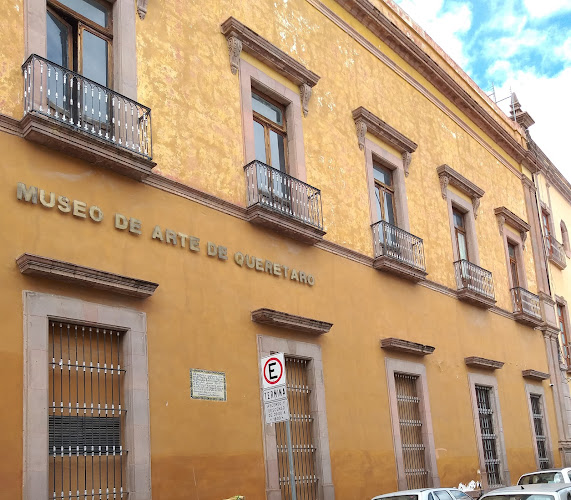
The Museo de Arte de Querétaro is one of those places that quietly sneaks up on you. At first glance, it looks like another beautiful colonial-era building in the historic center, but once you step inside, it’s like entering a completely different world. The museum is housed in a former convent, and you can still feel that old-world calm in the courtyards and corridors. The architecture alone is worth the visit—arches, stone columns, and intricate details that make you want to pause and just stare for a while. And then there’s the art. It’s not overwhelming like some massive museums where you get “art fatigue” after an hour. Instead, it’s thoughtfully curated, with works that span religious pieces, colonial art, and more contemporary exhibitions. You get a real sense of how Querétaro’s history and culture have evolved through the centuries.

Most visitors walk away impressed, and honestly, it’s hard not to. The museum has this balance between being accessible and still feeling special. It’s not just about paintings on walls; sometimes you’ll stumble upon live performances or temporary exhibits that completely change the energy of the place. Sure, a few people might find it smaller than expected or wish there were more interactive displays, but that’s nitpicking. Overall, it’s one of those cultural gems that manages to be both approachable and deeply memorable.

Key Features

  • Historic building with preserved colonial architecture
  • Diverse collection of religious, colonial, and contemporary art
  • Occasional live performances and temporary exhibits
  • Wheelchair accessible entrance and restroom
  • Family-friendly environment, good for kids
  • On-site restrooms available for visitors
  • Free street parking nearby

Best Time to Visit

If you’re not a fan of crowds, weekdays are your best bet. I’ve gone on a Tuesday afternoon, and it felt like I had the place almost to myself, which made it easier to take in the details without feeling rushed. Weekends can get busier, especially when there are special events or performances, but that’s also when the museum feels more alive. The cooler months—from November through February—are particularly pleasant since Querétaro’s weather makes wandering through the courtyards and galleries comfortable. Avoid midday during summer if you’re sensitive to heat, because even though the building is stone, those thick walls can trap warmth.

How to Get There

The museum is located right in the historic center, so if you’re already exploring the city, it’s an easy walk from most of the main plazas and landmarks. And honestly, walking is the best way to get there because you’ll stumble upon charming streets, little cafés, and artisan shops along the way. If you’re staying further out, taxis and rideshare apps are reliable and affordable. Public transportation is an option too, but I’ll be real with you—it’s not the most straightforward if you’re not familiar with the routes. Driving is possible, but parking can be hit or miss, though there is free street parking if you’re lucky enough to snag a spot.

Tips for Visiting

Here’s a bit of advice from personal trial and error. First, give yourself at least an hour and a half inside. Even if you’re not a hardcore art lover, the building itself deserves your time. Wear comfortable shoes because those old stone floors weren’t designed with modern feet in mind. If you’re traveling with kids, don’t worry—they tend to enjoy the open courtyards and the fact that the museum isn’t overly strict or intimidating. For accessibility, the museum does a good job with ramps and facilities, so visitors with mobility needs should feel welcome.

Photography is usually allowed, but always double-check the signs in each room. And don’t skip the temporary exhibits—they sometimes steal the show. If you’re the type who gets peckish after walking around, plan ahead since there isn’t a restaurant inside. I usually head to a café nearby afterward, and honestly, that’s part of the charm—pairing a dose of culture with a good coffee or pastry. Lastly, keep an eye out for live performances. They don’t happen every day, but when they do, they add a whole new dimension to the visit. It’s one of those little surprises that make the experience stick with you long after you’ve left.

Key Features

  • Historic building with preserved colonial architecture
  • Diverse collection of religious, colonial, and contemporary art
  • Occasional live performances and temporary exhibits
  • Wheelchair accessible entrance and restroom
  • Family-friendly environment, good for kids
  • On-site restrooms available for visitors
  • Free street parking nearby

More Details

Updated September 23, 2025


Description

The Museo de Arte de Querétaro is one of those places that quietly sneaks up on you. At first glance, it looks like another beautiful colonial-era building in the historic center, but once you step inside, it’s like entering a completely different world. The museum is housed in a former convent, and you can still feel that old-world calm in the courtyards and corridors. The architecture alone is worth the visit—arches, stone columns, and intricate details that make you want to pause and just stare for a while. And then there’s the art. It’s not overwhelming like some massive museums where you get “art fatigue” after an hour. Instead, it’s thoughtfully curated, with works that span religious pieces, colonial art, and more contemporary exhibitions. You get a real sense of how Querétaro’s history and culture have evolved through the centuries.

Most visitors walk away impressed, and honestly, it’s hard not to. The museum has this balance between being accessible and still feeling special. It’s not just about paintings on walls; sometimes you’ll stumble upon live performances or temporary exhibits that completely change the energy of the place. Sure, a few people might find it smaller than expected or wish there were more interactive displays, but that’s nitpicking. Overall, it’s one of those cultural gems that manages to be both approachable and deeply memorable.

Key Features

  • Historic building with preserved colonial architecture
  • Diverse collection of religious, colonial, and contemporary art
  • Occasional live performances and temporary exhibits
  • Wheelchair accessible entrance and restroom
  • Family-friendly environment, good for kids
  • On-site restrooms available for visitors
  • Free street parking nearby

Best Time to Visit

If you’re not a fan of crowds, weekdays are your best bet. I’ve gone on a Tuesday afternoon, and it felt like I had the place almost to myself, which made it easier to take in the details without feeling rushed. Weekends can get busier, especially when there are special events or performances, but that’s also when the museum feels more alive. The cooler months—from November through February—are particularly pleasant since Querétaro’s weather makes wandering through the courtyards and galleries comfortable. Avoid midday during summer if you’re sensitive to heat, because even though the building is stone, those thick walls can trap warmth.

How to Get There

The museum is located right in the historic center, so if you’re already exploring the city, it’s an easy walk from most of the main plazas and landmarks. And honestly, walking is the best way to get there because you’ll stumble upon charming streets, little cafés, and artisan shops along the way. If you’re staying further out, taxis and rideshare apps are reliable and affordable. Public transportation is an option too, but I’ll be real with you—it’s not the most straightforward if you’re not familiar with the routes. Driving is possible, but parking can be hit or miss, though there is free street parking if you’re lucky enough to snag a spot.

Tips for Visiting

Here’s a bit of advice from personal trial and error. First, give yourself at least an hour and a half inside. Even if you’re not a hardcore art lover, the building itself deserves your time. Wear comfortable shoes because those old stone floors weren’t designed with modern feet in mind. If you’re traveling with kids, don’t worry—they tend to enjoy the open courtyards and the fact that the museum isn’t overly strict or intimidating. For accessibility, the museum does a good job with ramps and facilities, so visitors with mobility needs should feel welcome.

Photography is usually allowed, but always double-check the signs in each room. And don’t skip the temporary exhibits—they sometimes steal the show. If you’re the type who gets peckish after walking around, plan ahead since there isn’t a restaurant inside. I usually head to a café nearby afterward, and honestly, that’s part of the charm—pairing a dose of culture with a good coffee or pastry. Lastly, keep an eye out for live performances. They don’t happen every day, but when they do, they add a whole new dimension to the visit. It’s one of those little surprises that make the experience stick with you long after you’ve left.

Key Highlights

  • Historic building with preserved colonial architecture
  • Diverse collection of religious, colonial, and contemporary art
  • Occasional live performances and temporary exhibits
  • Wheelchair accessible entrance and restroom
  • Family-friendly environment, good for kids
  • On-site restrooms available for visitors
  • Free street parking nearby

Location

Places to Stay Near Museo de Arte de Querétaro

Find and Book a Tour

Explore More Travel Guides

No reviews found! Be the first to review!

Traveler Reviews for Museo de Arte de Querétaro

There are no reviews yet. Be the first one to write one.

Share Your Experience

Have you visited Museo de Arte de Querétaro? Help other travelers by sharing your review.

Find Accommodations Nearby

Recommended Tours & Activities

Visitor Reviews

There are no reviews yet. Be the first one to write one.

Share Your Experience

Have you visited Museo de Arte de Querétaro? Help other travelers by leaving a review.