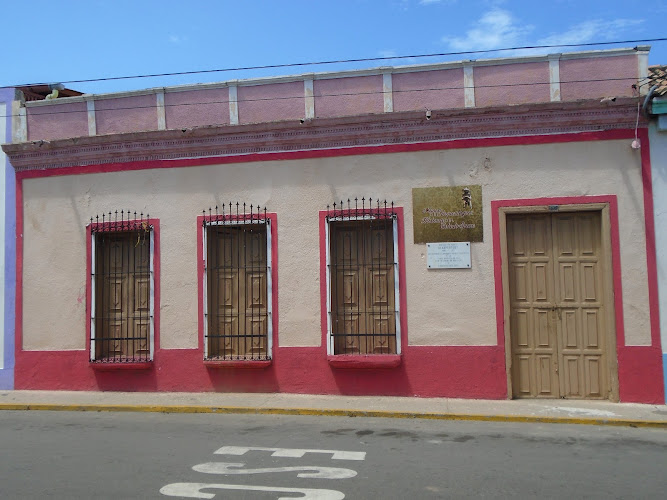
Description
The museum explores how people lived along this stretch of Venezuela’s Caribbean coast long before highways, hotels, or cruise ships existed. There are objects tied to early settlements, daily life, spiritual beliefs, and the gradual transformation brought by European contact. Some of the displays feel old-school, sure, but there’s something refreshing about that. It reminded me of the small regional museums I used to visit as a kid, where history felt local and personal, not polished for social media.
Travelers with an interest in archaeology will appreciate the focus on material culture. Pottery fragments, stone tools, and ceremonial items show how early communities adapted to the environment. The museum doesn’t overwhelm you with endless rooms, which is nice when you’re traveling and already overloaded with impressions. You can take your time without feeling rushed or exhausted.
For families, the Museo de Arqueología e Historia del Estado Sucre is surprisingly approachable. It’s good for kids, especially curious ones who like asking why people lived the way they did. And yes, there are restrooms on site, which sounds boring until you’re traveling with children or after too much street coffee. There’s no restaurant inside, but that encourages you to explore nearby food spots afterward, which is never a bad thing.
The overall atmosphere is calm, sometimes even a little raw. Some travelers might wish for more updated signage or interactive elements, and that’s a fair point. But others, including me, find that the museum’s straightforward approach makes the experience feel more honest. It doesn’t try to be anything it’s not. It tells the story of Sucre State, warts and all, and lets you form your own opinions.
Best Time to Visit
The best time to visit the Museo de Arqueología e Historia del Estado Sucre is during the morning hours, especially on weekdays. That’s when the museum tends to be calmer, and you can really focus on the exhibits without background noise. If you’re anything like me, your brain works better before lunch anyway. Mornings also pair nicely with a museum visit followed by exploring the city or grabbing a long, lazy meal.
Season-wise, Sucre State doesn’t have dramatic temperature swings, but the drier months are more comfortable for travelers who plan to walk a lot. Visiting during local school terms can also mean fewer large groups, which makes a difference in smaller museums like this. And yes, weekends can be hit or miss. Sometimes they’re quiet, sometimes you’ll find families and students filling the rooms with energy and chatter.
If you’re traveling during festivals or public holidays, consider checking opening hours ahead of time. From personal experience, nothing deflates travel enthusiasm faster than standing outside a museum door that’s firmly shut. And while this museum isn’t a massive time commitment, giving it a solid hour or two makes the visit feel worthwhile.
How to Get There
Getting to the Museo de Arqueología e Historia del Estado Sucre is fairly straightforward once you’re in the region. Local transportation options make it accessible, and taxis are usually the easiest choice if you’re unfamiliar with the area. Drivers tend to know the museum by name, which is always reassuring when you’re practicing your Spanish on the fly.
If you enjoy walking and the weather cooperates, reaching the museum on foot can be part of the experience. You get a better feel for daily life, the rhythm of the streets, and how history blends into the present. I once stumbled into a small neighborhood bakery on the way, purely by accident, and that unexpected snack became one of my favorite travel memories.
For travelers using public transport, asking locals for advice helps. People in Sucre State are generally willing to point you in the right direction, even if the directions come with enthusiastic hand gestures and stories you didn’t ask for. And honestly, that human interaction is part of why travel feels alive.
Tips for Visiting
First tip: go in with the right expectations. This is not a flashy, high-tech museum, and that’s okay. If you approach it as a place to learn about the roots of the region, you’ll get much more out of it. Take time to read the descriptions, even if some of them show their age. There’s real knowledge there.
Second, bring kids who like stories. The museum is good for children, but it helps if they’re already curious about history or archaeology. I’ve seen kids light up when they realize people their age once lived without phones, electricity, or even metal tools. It sparks questions, and questions are always a win.
Third, don’t rush. The museum isn’t huge, but rushing through it misses the point. Sit with an artifact for a minute. Imagine who used it, how it was made, and what daily life looked like back then. That mental exercise is half the fun.
Fourth, plan food before or after your visit. Since there’s no restaurant on site, you’ll want to eat elsewhere. I usually prefer after, because museums make me hungry in a weird, intellectual way. Plus, discussing what you saw over lunch helps cement the experience.
Lastly, keep an open mind and a bit of patience. Some displays might feel uneven, and you may notice areas that could use updating. But travel isn’t about perfection. It’s about understanding places as they are, not as we wish them to be. The Museo de Arqueología e Historia del Estado Sucre offers insight into a region that deserves more attention, and for travelers willing to listen, it quietly delivers.