
Musei di Strada Nuova – Palazzo Bianco
About Musei di Strada Nuova – Palazzo Bianco
Description
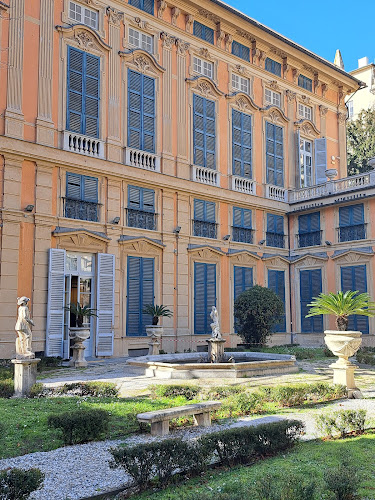
Palazzo Bianco stands as one of Genoa's most remarkable art repositories, housed within a stunning white stone building that practically glows against the city's historic streetscape. This isn't just another stuffy museum where you shuffle past paintings in hushed reverence—though there's certainly room for that if that's your thing. The palace itself tells a story of Genoese nobility and their insatiable appetite for collecting the finest European masterpieces money could buy during the Renaissance and Baroque periods.
Walking through these galleries feels like stepping into someone's extraordinarily wealthy home, which, well, it kind of was. The Brignole-Sale family originally owned this palazzo, and their taste in art was impeccable. You'll find yourself face-to-face with works by some of the heaviest hitters in European art history: Rubens with his fleshy, dynamic compositions, Veronese's rich Venetian color palettes, and Van Dyck's portraits that practically breathe with aristocratic elegance.
But here's what makes Palazzo Bianco genuinely special—it's not overwhelming. Some major museums leave you stumbling out after three hours with museum fatigue and aching feet. This place is manageable, beautifully curated, and doesn't try to cram every single artwork they own onto the walls. The collection focuses on quality over quantity, which any seasoned traveler will tell you is worth its weight in gold.
The building forms part of the Musei di Strada Nuova complex, which includes two neighboring palaces along what might be Genoa's most architecturally impressive street. And honestly? The neighborhood itself is almost as much of an attraction as what's hanging on the walls inside.
Key Features
- An exceptional collection of Flemish and Dutch masters, including multiple works by Van Dyck who actually spent considerable time working in Genoa
- Italian Renaissance paintings featuring pieces by Veronese, Caravaggio, and other luminaries who defined European artistic traditions
- Rubens' magnificent works showcasing his characteristic dramatic style and masterful handling of light and shadow
- A Spanish painting collection that's often overlooked but includes some real gems for those who take the time to explore thoroughly
- The palazzo's own architecture and decorative elements, which remain largely intact and give you a genuine sense of how Genoese nobility lived during the 16th and 17th centuries
- Wheelchair accessible facilities throughout, making it one of the more accessible historic buildings in a city that, let's be honest, isn't always easy to navigate for visitors with mobility challenges
- Family-friendly atmosphere that doesn't talk down to younger visitors while still maintaining the gravitas appropriate for world-class art
- Rotating temporary exhibitions that complement the permanent collection and give repeat visitors something fresh to discover
- Restroom facilities available, which might seem trivial until you're desperately searching for one in a historic European city center
- A combined ticket option that grants access to all three Musei di Strada Nuova palaces, offering extraordinary value for art enthusiasts
Best Time to Visit
Timing your visit to Palazzo Bianco can make the difference between a contemplative art experience and feeling like you're being herded through galleries like cattle. Based on what I've observed and heard from other travelers, weekday mornings are your golden ticket. Arrive right when they open, and you'll often have entire rooms to yourself for at least the first hour.
Summer months bring the predictable cruise ship crowds into Genoa, particularly between June and August. If you're visiting during this period, consider going on a Tuesday or Wednesday morning when the massive tour groups typically hit other attractions. Mondays can be tricky since many Italian museums close, creating a domino effect where everyone descends on the open ones.
The shoulder seasons—April to May and September to October—offer that sweet spot where the weather's still lovely, but the tourist hordes haven't quite materialized or have already dispersed. Plus, Genoa in early autumn is genuinely beautiful, with that Mediterranean light that painters have been chasing for centuries.
Winter visits have their own charm. Sure, it might be a bit chilly, but the museum is heated, and you're practically guaranteed smaller crowds. There's something quite magical about viewing these Renaissance masterpieces while rain patters against the palazzo windows. And honestly, the reduced crowds mean you can actually sit on those strategically placed benches and really study the paintings without someone's backpack bumping into you every thirty seconds.
Avoid visiting during Italian school holiday periods if possible. Not because kids don't deserve to see great art—they absolutely do—but because large school groups can temporarily make certain galleries quite loud and congested.
Late afternoon visits can work if you've got the energy, though you might feel rushed as closing time approaches. The light changes throughout the day in these historic spaces, which can actually affect how you perceive the paintings. Some visitors prefer the softer afternoon light, while others swear by the crisp morning illumination.
How to Get There
Getting to Palazzo Bianco is refreshingly straightforward, especially compared to reaching some of Genoa's hillside attractions. The museum sits right in the historic center, along Via Garibaldi—which you'll sometimes hear called Strada Nuova by locals who prefer the old name.
If you're arriving by train at Genoa's Principe or Brignole stations, you've got options. From Principe, it's roughly a fifteen-minute walk through some genuinely interesting streets, though be prepared for a bit of an uphill climb. Nothing too strenuous, but maybe not ideal if you're dragging heavy luggage. From Brignole, it's a similar distance but involves navigating through busier commercial areas.
The metro is efficient if you prefer underground travel. Take the line to San Giorgio station, and from there it's just a short walk. Bus routes 18, 19, and 20 all stop nearby, though Genoa's buses can be a bit unpredictable during rush hours. Buy your ticket before boarding—seriously, the ticket inspectors don't mess around, and the fines are steep.
For those staying in the port area or near the aquarium, walking is actually quite pleasant. You'll pass through some of Genoa's most characterful neighborhoods, which is half the fun of visiting this city anyway. The route takes maybe twenty-five minutes if you don't stop for coffee, which you probably will because Italian coffee culture is addictive.
Taxis work, though they're pricier and honestly unnecessary unless you have mobility issues or are traveling with young children who've hit their walking limit. Ride-sharing services operate in Genoa, but availability can be spotty.
Here's something they don't always tell you: parking near Palazzo Bianco is a nightmare. The historic center has restricted vehicle access in many areas, and the parking garages fill up quickly. If you absolutely must drive, use a parking facility on the periphery and walk or take public transport the rest of the way. Your stress levels will thank you.
Tips for Visiting
Purchase the combined ticket for all three Musei di Strada Nuova palaces if you've got even a passing interest in art and architecture. The value is exceptional, and Palazzo Rosso and Palazzo Tursi are literally next door, making it easy to experience all three without backtracking across the city.
Start at Palazzo Bianco first, while your attention span is fresh and you can really appreciate the subtle details in these masterpieces. Museum fatigue is real, and it would be a shame to rush through Van Dyck portraits because you've already spent three hours elsewhere.
Don't skip the upper floors. Many visitors concentrate on the main gallery level and miss some wonderful paintings tucked away in smaller rooms upstairs. These quieter spaces often provide the most intimate viewing experiences.
The museum provides information in Italian and English, but downloading a museum app beforehand or bringing a general art history guide can enhance your understanding significantly. Some paintings have fascinating backstories that the wall plaques don't fully capture.
Wear comfortable shoes with good grip. The palazzo's floors can be slippery, especially the marble sections, and you'll be on your feet for at least an hour or two if you're taking your time.
Photography without flash is generally permitted, but double-check current policies when you arrive. Rules sometimes change for specific exhibitions or conservation reasons. And please, for everyone's sake, don't be that person using an iPad to photograph everything while blocking other visitors' views.
Bring a light jacket even in summer. These old stone buildings stay cool, which is wonderful for preserving art but can feel chilly if you're dressed for warm weather outside.
The restrooms are clean and well-maintained, located on accessible floors. Use them before you start your visit—there's nothing worse than having to cut short your contemplation of a Caravaggio because nature calls.
If you're visiting with children, the museum does a decent job of being family-friendly, but bring something to keep younger kids engaged. A simple scavenger hunt you create yourself—finding paintings with dogs, spotting certain colors, counting angels—can make the experience more interactive for them.
Budget at least ninety minutes for a thorough visit, though art lovers could easily spend three hours here. Don't try to rush through just to tick it off your list. These paintings have survived centuries; they deserve more than a cursory glance.
Consider visiting during temporary exhibitions when the museum sometimes extends hours or offers special programming. These events can provide unique perspectives on the permanent collection.
Finally, take breaks. Those benches scattered throughout aren't just decorative. Sit down, really look at a painting that catches your eye, and let yourself get lost in it for a few minutes. That's when museums stop being obligations and start being experiences worth remembering.
Key Features
- Extensive collection of Italian and northern European paintings (12th–18th centuries)
- Historic 16th-century palazzo setting with period rooms and frescoed ceilings
- Works by Van Dyck, Veronese and pieces linked to Caravaggio and Ligurian masters
- Part of the Strada Nuova museum complex connecting Palazzo Rosso and Palazzo Tursi
- Accessible location on Via Garibaldi, a UNESCO World Heritage site
Nearby Attractions
Tours & Activities
GetYourGuide provides this tour inventory. We may earn a commission if you book through it; verify current availability, prices, and terms with the provider.
Visitor Reviews
There are no reviews yet. Be the first one to write one.
Share Your Experience
Have you visited Musei di Strada Nuova – Palazzo Bianco? Help other travelers by leaving a review.