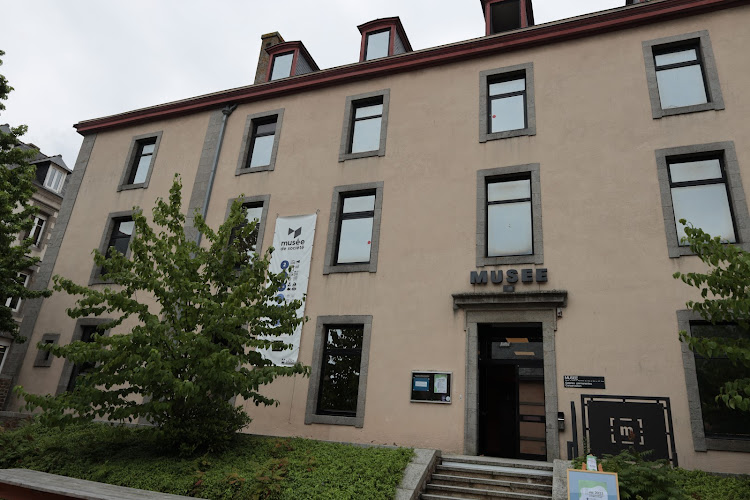
In Saint-Brieuc, the Musée d’Art et d’Histoire offers a concentrated encounter with the heritage of Brittany’s Côtes-d’Armor department. Rather than treating art and local history as separate subjects, the museum brings them into conversation through collections that range from archaeological material to religious art, textiles and more recent artistic expression. The setting in a preserved historic building adds an appropriate sense of continuity to a visit centred on the region’s past and cultural identity.
This is a museum for visitors who want to give the city some context: how objects, beliefs, dress and artistic practice can illuminate a place over time. Its permanent displays provide a useful framework for understanding Breton culture, while temporary exhibitions can introduce a different artist, theme or perspective. The experience is best approached as a calm, observant visit rather than a race through a long list of headline works. Allow time to read labels, compare materials and notice the connections between local stories and the wider history of art.
What to See & Experience
The museum’s strength lies in the variety of its holdings and in the way regional material can reward close looking. Archaeological pieces point toward the area’s earlier occupation and discoveries, while the medieval religious art section preserves works associated with local churches. Displays of traditional Breton costume and textiles offer another direct route into everyday identity, craft and visual culture. Alongside these historical collections, the museum presents contemporary art and changing exhibitions, so a repeat visit need not feel identical to the last.
- Permanent exhibitions introducing Breton cultural heritage and regional history.
- Archaeological collections linked to discoveries from the Saint-Brieuc area.
- Medieval religious artworks with roots in local church traditions.
- Traditional costumes and textiles revealing Breton material culture.
- Contemporary art displays and temporary exhibitions that rotate over time.
- The architecture of a preserved building framing the museum experience.
Begin with the permanent galleries if this is a first visit, as they establish the regional themes that recur across the collections. Then give the temporary exhibition rooms equal attention; they may offer a sharper contemporary counterpoint to the historical objects. The most satisfying route is not necessarily chronological. Move between an archaeological object, a textile and a religious work, and consider what each reveals about use, belief, status or memory. Visitors with a particular interest in local history can also look out for the museum’s documentation resources and cultural programming when available.
Practical Visitor Strategy
| Planning Factor | Visitor Advice |
|---|
| Best Time to Go | Choose a time when you can visit without rushing and check the current programme before setting out. |
| Suggested Duration | Plan roughly one to two hours for permanent displays and any temporary exhibition. |
| Crowd & Pacing Tips | Start with the regional-history galleries, pause at the textiles and religious art, then finish with changing displays. |
| Getting Oriented | Use the introductory material to identify the main collection strands before selecting objects to study closely. |
| Nearby Pairing | Pair the museum with a walk through central Saint-Brieuc and time to notice the city’s historic character. |
Check the museum’s current visitor information independently before travel, especially for access arrangements, exhibition changes, events and any closure dates. The collection is compact enough to fit comfortably into a city day, but it benefits from an unhurried pace. If a temporary exhibition is the main reason for your visit, begin there and return to the permanent rooms afterward; this makes it easier to see how the guest presentation relates to the museum’s enduring focus on art and local heritage.
Who Will Enjoy It Most (and Trade-Offs)
The museum is particularly well suited to travelers curious about Brittany beyond its coastline: history-minded visitors, art lovers, families with older children and anyone interested in regional traditions will find several entry points. It also works well for people who prefer a manageable museum visit with varied subject matter over a vast encyclopedic collection. Costume enthusiasts may linger over textiles, while archaeology fans can focus on the evidence of earlier communities. Those interested in sacred art will appreciate the connection to local religious heritage, and contemporary-art visitors may find the temporary programme a useful reason to return.
The principal trade-off is one of expectation. This is a regional museum, not a blockbuster institution built around a single internationally famous masterpiece, so its appeal comes from context, variety and detail. Visitors seeking only major-name art may prefer to treat it as part of a broader Saint-Brieuc itinerary. The indoor galleries are generally a sensible option in changeable weather, though individual mobility needs and access requirements should be confirmed directly in advance. Combine the visit with time in the city centre, then use the museum’s collections as a lens through which to read the architecture, churches and everyday streets of Saint-Brieuc more attentively.
 Real Journey Travels