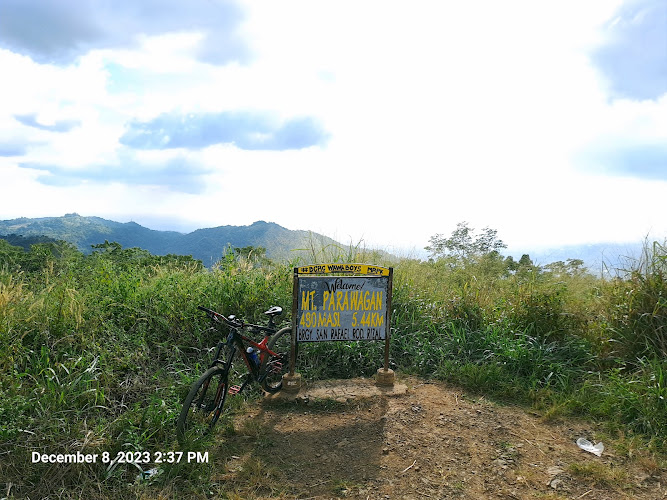
Description
Mount Parawagan stands as one of those hiking destinations that somehow manages to fly under the radar despite offering exactly what outdoor enthusiasts crave. This hiking area draws people who want a genuine mountain experience without the overwhelming crowds that plague more famous peaks. The trails here cater to hikers of varying abilities, making it a practical choice whether you’re testing your endurance or just looking for a solid day out in nature.
What strikes most visitors first is how accessible the mountain feels despite its challenging terrain. The trails wind through diverse landscapes that shift as you gain elevation, and there’s something deeply satisfying about the journey from trailhead to summit. People come here for the workout, sure, but they also come for the sense of accomplishment that comes with conquering a peak that demands respect without being impossibly technical.
The mountain has earned its reputation primarily through word-of-mouth recommendations from satisfied hikers. And honestly, that’s probably the best kind of endorsement any trail can get. When your buddy tells you about a great hike they just completed, you’re more likely to trust that recommendation than any glossy tourism brochure. Mount Parawagan benefits from this authentic grassroots appreciation.
Facilities on the mountain are straightforward and functional. You’ll find picnic tables strategically placed where they make the most sense, and the trails themselves are maintained well enough to be safe without being over-manicured to the point where they lose their natural character. The cycling lanes add an interesting dimension for those who prefer two wheels to two feet, though most visitors come here specifically for the hiking experience.
Families with kids will find the mountain surprisingly welcoming. Not every trail here is a death march that leaves children (and adults) miserable and questioning their life choices. The kid-friendly hiking options mean parents can introduce their children to mountain hiking without traumatizing them in the process. That’s a bigger deal than it might sound because creating positive outdoor memories early can shape a person’s relationship with nature for life.
Key Features
Mount Parawagan delivers several standout characteristics that separate it from other hiking destinations:
• Multiple trail difficulty levels that accommodate everyone from beginners testing their hiking legs to experienced trekkers seeking a proper challenge
• Dedicated cycling lanes that allow mountain bikers to enjoy the terrain without conflicting with foot traffic on hiking paths
• Picnic facilities positioned at scenic points where taking a break actually enhances the experience rather than just breaking up the monotony
• Kid-friendly trail options that make family hiking trips actually enjoyable instead of exercises in parental patience and endurance
• Onsite services that provide necessary support without turning the mountain into an over-commercialized theme park version of nature
• Stunning viewpoints along the trails that reward your effort with panoramic vistas you’ll definitely want to photograph
• Well-maintained paths that balance safety with preserving the authentic mountain hiking experience
• Opportunities for both day hikes and longer excursions depending on your available time and energy levels
• Natural terrain variety that keeps the hike interesting as elevation and landscape shift throughout your journey
• A genuine sense of wilderness that many more developed hiking areas have unfortunately lost
Best Time to Visit
Timing your visit to Mount Parawagan makes a substantial difference in the quality of your experience. The dry season typically offers the most reliable conditions for hiking, with clearer trails and better visibility from the summit. Nobody wants to slog through mud for hours only to reach the top and see nothing but clouds and fog. Been there, done that, got the muddy boots to prove it.
Early morning starts remain the gold standard for mountain hiking here. You’ll beat the afternoon heat, encounter fewer people on the trails, and catch that magical morning light that makes landscape photography actually work. Plus, there’s something special about being on a mountain as the world wakes up around you. The temperature stays manageable, and you can actually enjoy the physical exertion rather than suffering through it.
Weekdays generally provide a more peaceful experience than weekends when the trails see heavier traffic. If your schedule allows flexibility, a Tuesday or Wednesday hike gives you more space to enjoy the mountain at your own pace. Weekend warriors will find the trails busier but still manageable compared to truly overcrowded hiking destinations.
The cooler months between November and February offer the most comfortable temperatures for sustained physical activity. Hiking in tropical heat isn’t just uncomfortable – it can be genuinely dangerous if you’re not properly prepared. During these cooler months, you can push yourself harder without worrying as much about heat exhaustion derailing your adventure.
Avoid visiting during heavy rain periods when trails become slippery and potentially hazardous. Some people romanticize hiking in challenging conditions, but there’s nothing romantic about a preventable injury miles from help. Check weather forecasts before heading out and don’t let ego override common sense. The mountain will still be there when conditions improve.
How to Get There
Reaching Mount Parawagan requires some planning but doesn’t involve the logistical nightmares that plague more remote hiking destinations. Most visitors arrive by private vehicle, which offers the flexibility to carry all necessary gear and leave on your own schedule. The approach roads are generally well-maintained, though you should still prepare for some rougher sections as you get closer to the trailhead.
Public transportation options exist but require more time and patience. Jeepneys and buses service the general area, though you’ll likely need to arrange additional transportation for the final leg to the actual trail access point. This added complexity isn’t necessarily a dealbreaker, especially if you’re traveling on a tight budget or prefer not to drive. Just factor in the extra time and coordination required.
Local motorcycle taxis can bridge the gap between where public transport drops you and where your hike begins. This hybrid approach combines affordability with reasonable convenience. And honestly, arriving at the trailhead via habal-habal adds a bit of authentic local flavor to your adventure that you miss when you drive directly there in your own vehicle.
For those joining organized tours, transportation typically gets bundled into the package. This removes the navigation stress entirely, though you sacrifice some freedom and flexibility. Tour groups operate on fixed schedules that might not align perfectly with your preferred hiking pace. Weigh the convenience against the constraints before committing.
GPS navigation works reasonably well in this area, though always have backup directions and local contact information. Technology fails at the most inconvenient times, usually when you’re already lost and stressed. I learned this lesson the hard way in different mountains, and now I always carry paper maps and saved offline directions.
Tips for Visiting
Preparation separates enjoyable mountain experiences from miserable ordeals. Start with proper footwear – those fashionable sneakers won’t cut it on rocky, uneven trails. Invest in actual hiking boots with ankle support and traction. Your feet and ankles will thank you, especially on the descent when accumulated fatigue makes ankle rolls more likely.
Hydration matters more than most people realize. Bring more water than you think you’ll need because dehydration sneaks up on you during sustained physical activity. Sports drinks or electrolyte tablets help replace minerals lost through sweating. Plain water alone sometimes isn’t enough, particularly on longer or more strenuous hikes.
Pack snacks with actual nutritional value rather than just empty calories. Trail mix, energy bars, fruit, and sandwiches provide sustained energy better than candy bars that spike and crash your blood sugar. You’re fueling athletic performance here, not just satisfying hunger. Think of food as equipment rather than just sustenance.
Sun protection is non-negotiable. Sunscreen, hats, and sunglasses prevent the painful sunburn that can ruin not just your hike but your entire vacation. Mountain sun hits different – thinner atmosphere means more UV exposure even when temperatures feel comfortable. Don’t learn this through painful experience like I did on a Colorado peak years ago.
Inform someone about your hiking plans before you leave. Share your intended route, expected return time, and emergency contacts. This basic safety precaution could prove lifesaving if something goes wrong. Solo hiking has its appeals, but disappearing without anyone knowing where you went is reckless rather than adventurous.
Bring a basic first aid kit with bandages, pain relievers, and any personal medications you require. Blisters, headaches, and minor scrapes happen even on well-maintained trails. Being able to address small problems immediately prevents them from becoming bigger issues that force you to cut your hike short.
Respect trail etiquette by yielding to uphill hikers and keeping noise levels reasonable. You’re sharing this space with others who also came here to enjoy nature. Leave no trace principles apply – pack out everything you pack in, stay on designated trails, and don’t disturb wildlife or vegetation. The mountain’s continued beauty depends on visitors treating it with respect.
Check your physical readiness honestly before attempting more challenging trails. There’s no shame in choosing an easier route that matches your current fitness level. Pushing beyond your abilities doesn’t prove toughness – it just increases injury risk and makes you miserable. Build up to harder hikes progressively rather than jumping straight to expert-level trails.
Bring layers of clothing because mountain weather changes quickly. What feels warm at the trailhead often feels quite different at elevation with wind exposure. A lightweight rain jacket provides insurance against unexpected weather shifts. Being slightly over-prepared beats being dangerously under-prepared every single time.
Start early to maximize daylight hours and avoid getting caught on the trail after dark. Hiking with headlamps works in emergencies but isn’t ideal, especially on unfamiliar terrain. Give yourself comfortable time margins rather than cutting things dangerously close. The mountain will demand your full attention and energy, so don’t add unnecessary time pressure to the challenge.