

Mogadishu
About Mogadishu
Description
Mogadishu, the capital city of Somalia, stands on the eastern coast of Africa, where the warm waters of the Indian Ocean greet centuries of history. Locals call it Xamar, a name that carries centuries of trade and culture. It’s a city that some might overlook because of the stories they hear, but those who do visit often find themselves surprised by its pulse of life, its layers of history, and the friendliness of its people. It used to be one of East Africa’s great port cities—traders from Arabia, Persia, and even China used to dock here centuries ago. And even though the city has been through difficult years, you can still sense that legacy in its architecture and in everyday life.
The Bondhere neighbourhood, one of Mogadishu’s oldest areas, tells much of that story. Once an old settlement in what’s now the Banadir region, it feels like a bridge between the city’s deep past and its steady recovery. Roads such as General Daoud Road and Upper Jubadan Road weave through, connecting Bondhere to nearby districts like Wardhiigley and Shibis. I remember walking along those roads, watching children play football in the dusty sunshine while elders chatted under bougainvillea-shaded walls—it’s the kind of scene that reminds you life here continues with quiet resilience.
The architecture is fascinating—an almost poetic clash of styles. Italian-era buildings, stone mosques, and newly rising structures popping up around the city like fresh hope. The air smells of citrus, diesel, and the sea all at once, which is such a strange yet comforting combination. And there’s music—modern Somali funk, old-school disco from the days before the turmoil, and of course, traditional songs that drift through the streets. People here are proud of their culture, their language, and their ability to keep going despite everything. For travelers willing to look beyond headlines, Mogadishu reveals itself as a complex, soulful, and thoroughly human city.
Key Features
- Historic Bondhere District: One of the city’s oldest neighbourhoods, offering glimpses of Mogadishu’s layered cultural evolution.
- Indian Ocean Access: Gorgeous coastal stretches where the turquoise sea meets white sand—ideal for quiet reflection or photography.
- Local Markets: The Bakara Market, among others, buzzes with the rhythm of daily Somali life. You’ll find spices, fabrics, and even hand-crafted instruments reflecting Mogadishu’s creative energy.
- Architectural Heritage: Traces of Italian colonial design blend with Islamic influences and local building traditions.
- Community Spirit: Warm hospitality—people are genuinely curious and welcoming to visitors, offering tea or casual conversation about the city’s transformation.
- Music and Storytelling: Somali music—especially from the past decades—remains a strong expression of identity, from funky rhythms to heartfelt traditional songs.
- Cultural Revival: Despite its struggles, the capital has seen small but meaningful cultural events aimed at reviving art, poetry, and local heritage.
- Cuisine: A mix of African, Arabian, and Italian flavors—try the sambusas, pasta with Somali spices, or a cup of wonderfully cardamom-laced shaah at sunset.
Best Time to Visit
The best time to visit Mogadishu is during the drier months—from December to February and again from June to August. These periods bring calmer seas and pleasant ocean breezes, which make exploring easier and less exhausting. Traveling during these windows also offers the best conditions for photography—the light is softer, and the skies are nearly always clear.
Avoid the rainy months, typically April to May and October, as some roads (particularly in less developed areas) can become difficult to navigate. The dry season also means local markets are lively and produce more varied goods. And, honestly, it just feels safer and calmer to wander when the weather cooperates. So if you’re planning your journey, aim for those mild stretches when the city seems to settle into a comfortable rhythm.
How to Get There
Mogadishu can be reached primarily by air. Aden Adde International Airport serves as the main entry point for international travelers, and flights operate from several African cities and select routes from the Middle East. Once you arrive, ground transportation options include arranged taxis and local drivers—though it’s highly recommended to coordinate your travel through a reliable tour operator or local contact familiar with current security conditions.
Inside the city, cars are the primary means of transport, and while the traffic may seem a little chaotic at first glance, there’s actually a rhythm to it once you get used to it. Many visitors also opt for guided tours that handle transportation, offering safe movement between neighbourhoods such as Bondhere, Shibis, and Hamar Weyne. These tours often include interpreters who can help bridge cultural and language differences, which makes the experience far more personal and insightful.
And in all honesty—don’t expect fancy rail systems or tourist buses here just yet. Getting around Mogadishu demands a bit of flexibility, patience, and local understanding. But that’s half the adventure. The roads hum with daily life, and watching it unfold from a car window often becomes its own unforgettable introduction to the city’s rhythm.
Tips for Visiting
Visiting Mogadishu isn’t your typical trip to a capital city, and that’s what makes it special. The key is preparation and respect—for the local culture, the environment, and the ongoing rebuilding efforts. Travel advisories should always be checked before planning your route. If you decide to go, traveling with an experienced guide who knows the ground realities is strongly recommended.
- Plan Ahead: Ensure all travel documents are arranged beforehand, including authorization letters if needed. Many visitors coordinate their trips well in advance through accredited organizers familiar with Mogadishu.
- Dress Modestly: Somalia is a predominantly Muslim country, and conservative clothing is appreciated. Light, breathable fabrics in neutral colors work best for the heat while showing respect for local norms.
- Respect Photography Privacy: Always ask before photographing people or government buildings. Locals appreciate the courtesy, and it avoids misunderstandings.
- Safety First: Conditions are improving, but security should always be considered. Stick to known areas and follow local guidance closely.
- Learn a Few Somali Words: Greeting someone with “Iska warran?” can open a door to friendly conversation faster than you might imagine.
- Sample the Cuisine: Don’t miss Somali rice dishes, camel meat stews, or banana served with savory food—a tradition that confuses some travelers but will win you over quickly.
- Stay Hydrated: The climate can be deceptively dry; carry bottled water always.
- Stay Curious: Ask questions. Listen to stories. The people of Mogadishu love to share their city’s past and their hopes for its future.
One small story that has stuck with me—a shopkeeper in Bondhere once told me, “Every scar is a story.” He wasn’t referring only to people but to the buildings around him. And yes, you see the scars—crumbling walls, faded paint—but you also see renewal, new layers of plaster, fresh coats of white, kids painting murals that say “Nabad”—the Somali word for peace. It’s these small acts that make Mogadishu more than a destination; it’s a living testament to endurance and identity.
For a traveler seeking something raw and real, Mogadishu offers precisely that. It’s not wrapped up for easy tourism yet, but maybe that’s part of its honesty. It’s a city where Africa’s east coast tells a centuries-long story of trade, music, faith, and rebuilding. So if you ever find yourself looking out across the Indian Ocean from the Bondhere neighbourhood, hearing the call to prayer echo through the warm air, you’ll understand—Mogadishu isn’t just recovering; it’s remembering who it always was.
You Might Also Like
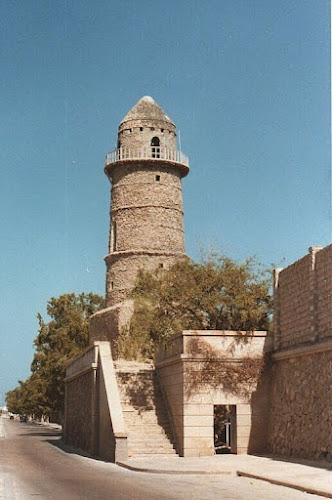
Almnara Tower
Benadir Shoes Center

Dadandoob
Tours & Activities
GetYourGuide provides this tour inventory. We may earn a commission if you book through it; verify current availability, prices, and terms with the provider.
Visitor Reviews
There are no reviews yet. Be the first one to write one.
Share Your Experience
Have you visited Mogadishu? Help other travelers by leaving a review.