It’s not the kind of safari destination where you’re surrounded by crowds or lined-up jeeps. No, this one is different. It’s intimate, personal, and honestly, a bit magical. Established back in 1979 to save the pure Nguni breed of cattle, Mkhaya has since grown into a sanctuary for some of Africa’s most endangered species, including both black and white rhinos. And trust me, seeing a rhino up close here feels like time slows down for a moment.
The reserve is privately managed and forms part of Eswatini’s Big Game Parks network, which also manages Hlane Royal National Park and Mlilwane Wildlife Sanctuary. But Mkhaya stands out for its exclusivity—only guests staying overnight can explore it fully. That means fewer vehicles, more silence, and a deeper connection with the bush. The guides here don’t just point out animals; they tell stories, share local lore, and somehow make you feel like you’re part of something ancient.
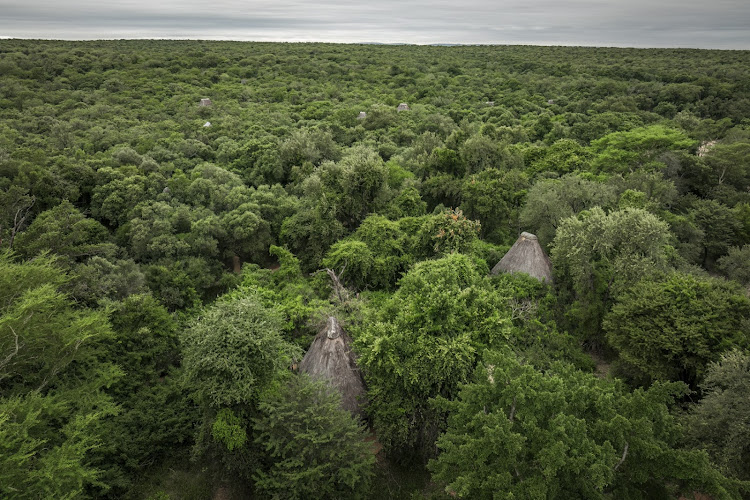
The landscape itself is a blend of thornveld, riverine forest, and open savanna. It’s rugged but graceful, with acacia trees that twist toward the sky and sandy riverbeds where you might spot fresh elephant tracks. You’ll likely see giraffes browsing lazily, herds of buffalo moving like a slow tide, and the occasional hippo wallowing in a quiet pool. But the real stars are the rhinos—Mkhaya is one of the best places in southern Africa to see them safely on foot.
There’s also something special about staying overnight. The bush camp doesn’t have fences, so wildlife can wander right past your room. You’ll dine outdoors under lantern light, listening to the night sounds—crickets, distant hyenas, maybe even the soft snort of a nearby antelope. It’s rustic but comfortable, and that balance makes it unforgettable. While some travelers might find it a bit too remote or basic, most leave feeling humbled and refreshed. It’s not luxury in the traditional sense—it’s luxury in experience.
Best Time to Visit
If you’re wondering when to go, it depends on what kind of experience you’re after. The dry season, from May to September, is generally considered the best for wildlife viewing. The vegetation is thinner, animals gather around waterholes, and the weather is pleasantly cool—perfect for long game drives and bush walks. I went in July once, and the mornings were crisp enough for a sweater, but by midday, it was warm and golden.
The rainy season (October to April) brings a completely different vibe. The bush transforms into a lush green paradise, and birdlife explodes in color and song. It’s also calving season for many species, so you might spot baby impalas or wildebeest wobbling on new legs. The downside? Roads can get muddy, and some areas might be trickier to access. But if you love photography or just that feeling of being surrounded by life, it’s a wonderful time to visit.
Honestly, there’s no bad time to go—just different flavors of wild. The key is to plan around what matters most to you: clear skies and easy game viewing, or green scenery and fewer tourists.
How to Get There
Getting to Mkhaya Game Reserve is part of the adventure. It’s located in the southeastern part of Eswatini, roughly halfway between Manzini and Big Bend. Most visitors arrive by car, and the drive itself offers a glimpse of rural Eswatini—rolling hills, small villages, and endless stretches of countryside.
The final stretch to the reserve is on a gravel road, and honestly, it’s a bit bumpy. But that’s part of the charm. You’ll park at the designated meeting point (usually the Phuzamoya Gate), where a guide will greet you and transfer you into one of the reserve’s safari vehicles. From there, it’s a short drive into the heart of Mkhaya, and that’s when the adventure really begins.
If you’re flying in, the closest airport is King Mswati III International Airport near Manzini, about an hour and a half away. Some travelers also combine Mkhaya with visits to Hlane or Mlilwane, creating a sort of Eswatini safari circuit. If you’re planning to do that, renting a 4×4 or arranging transfers through Big Game Parks is the easiest way to go.
And a quick tip from experience—don’t rely too heavily on GPS once you’re close. Cell signal can be patchy, and the best directions are often the old-fashioned kind: ask locals along the way. People in Eswatini are genuinely friendly and happy to help.
Tips for Visiting
A few lessons learned from my own trip (and from chatting with other travelers over campfire coffee):
- Pack light but smart. You won’t need fancy clothes here. Neutral colors, comfortable walking shoes, sunscreen, and a hat are your best friends. And don’t forget a good pair of binoculars—you’ll use them more than you think.
- Bring cash. While the main lodges accept cards, smaller purchases or tips are often easier in cash, preferably in local currency or South African rand.
- Stay overnight if you can. Day trips are possible, but staying the night transforms the experience. The stillness of the bush after dark is something you can’t rush.
- Respect the wildlife. The guides are incredibly knowledgeable, and safety is always a priority. Follow their lead, keep quiet during sightings, and you’ll be rewarded with moments that feel almost sacred.
- Bring a camera—but also put it down sometimes. It’s tempting to snap every rhino or giraffe, but some of the best memories happen when you just watch, listen, and breathe it all in.
- Expect simplicity. Mkhaya isn’t about luxury lodges or infinity pools. It’s about authenticity. The accommodations are comfortable but intentionally minimal, letting nature take center stage.
- Check-in and check-out times. Typically, check-in is around 4 PM and check-out by 10 AM. Plan your travel accordingly so you don’t feel rushed.
One thing that really stuck with me was how the guides spoke about conservation—not as a job, but as a calling. They know every animal by sight, every bird by sound. You can feel their pride in what Mkhaya represents—a living testament to what’s possible when people commit to protecting the wild.
So, if you’re looking for a safari that feels personal, grounded, and real, Mkhaya Game Reserve is a place that stays with you long after you’ve left. It’s not about ticking animals off a list; it’s about connection—to nature, to people, and maybe even to yourself.
And who knows? You might just find that the quiet moments—the rustle of leaves, the distant snort of a rhino, the warmth of a campfire—end up being the ones you remember most.
 Real Journey Travels