
Mississippi Museum of Natural Science
About Mississippi Museum of Natural Science
Description
The Mississippi Museum of Natural Science offers visitors something you don't often encounter - a genuine blend of indoor exhibits and outdoor exploration all wrapped up in one comprehensive experience. Located within LeFleur's Bluff State Park, this isn't your typical stuffy museum where everything lives behind glass and velvet ropes. Instead, it's designed as an interactive journey through Mississippi's diverse ecosystems, from the swamps and wetlands to the forests and waterways that define this remarkable state. The facility spans a considerable area and houses over 73,000 square feet of indoor exhibition space alongside 300 acres of outdoor nature trails. And here's what makes it special - the museum doesn't just tell you about Mississippi's natural heritage, it shows you through living exhibits, hands-on displays, and actual preserved habitats. The aquarium systems alone feature more than 200 native species, giving visitors an up-close look at creatures they might never otherwise see in their natural environments. What really strikes visitors is how the museum manages to be both educational and entertaining without feeling forced. The greenhouse bursts with native plant species, while the aquarium tanks showcase everything from tiny minnows to impressive alligator gar. You'll find yourself spending way more time here than you initially planned, trust me on that one. The outdoor trails weave through genuine Mississippi wilderness, offering a stark contrast to the climate-controlled comfort inside but remaining equally fascinating.Key Features
The museum delivers an impressive array of attractions that keep visitors engaged for hours:- A 100,000-gallon aquarium network showcasing over 200 species of fish, reptiles, and amphibians native to Mississippi waters
- The greenhouse conservatory featuring native plant species and a living butterfly exhibit during certain seasons
- Multiple interactive exhibits including touch tanks where you can actually feel the texture of various aquatic creatures
- A state-of-the-art theater that presents educational programs and nature documentaries throughout the day
- Over 2.5 miles of nature trails ranging from easy boardwalk strolls to more challenging woodland paths
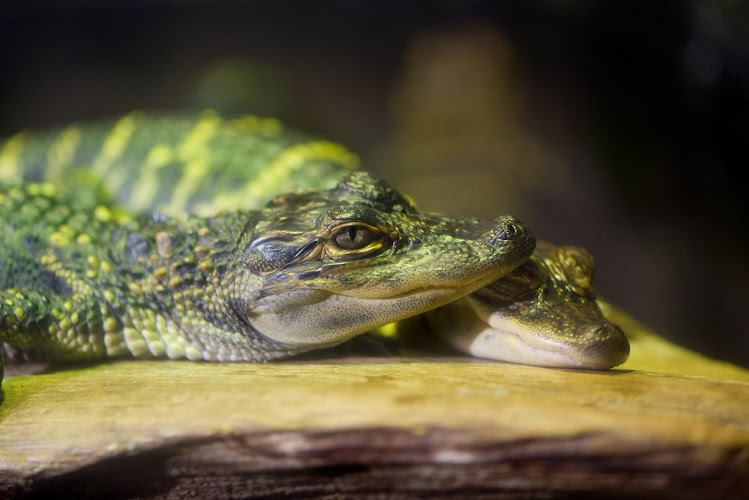
- A swamp exhibit complete with alligators in a naturalistic habitat that'll make your heart skip a beat
- Fossil and artifact displays showing Mississippi's prehistoric past, including specimens from millions of years ago
- Live animal presentations where knowledgeable staff introduce visitors to snakes, turtles, and other native wildlife
- An extensive gift shop stocked with educational toys, field guides, and Mississippi-themed souvenirs
- Wheelchair accessible facilities throughout, making the experience available to all visitors regardless of mobility
- Free parking which honestly feels like a luxury these days when so many attractions nickel and dime you
- Regular special programs and temporary exhibits that change seasonally, giving repeat visitors fresh content
Best Time to Visit
Timing your visit to the Mississippi Museum of Natural Science can dramatically affect your experience. Spring months from March through May offer perhaps the most rewarding conditions. The outdoor trails come alive with wildflowers, migrating birds fill the trees, and the weather sits in that perfect temperature range where you're comfortable both indoors and out. Plus, the butterfly exhibit typically operates during spring, adding an extra layer of magic to the greenhouse experience. Fall, particularly October and November, runs a close second. The Mississippi heat finally breaks, making trail walks genuinely pleasant rather than endurance tests. The autumn foliage along the nature paths creates stunning photo opportunities, and the cooler water temperatures often make the aquarium fish more active and interesting to observe. Summer brings challenges but also unique opportunities. Yes, it gets hot - this is Mississippi after all - but the museum's indoor spaces provide welcome air-conditioned relief. Summer also coincides with school vacation, meaning the museum runs extended programming and special activities designed for kids. If you're traveling with children, the enhanced summer schedule might outweigh the temperature concerns. Just plan to hit the outdoor trails early in the morning or late afternoon. Winter months see fewer crowds, which can be appealing if you prefer a quieter, more contemplative experience. The admission fee doesn't change seasonally, so you're getting the same value with fewer people competing for space at popular exhibits. However, some outdoor trail sections may close after heavy rain, and the deciduous trees lose their leaves, making wildlife spotting trickier. Weekday visits generally offer a more relaxed atmosphere than weekends, especially during the school year when field trip groups are scheduled. But don't let that deter you from weekend visits - the museum handles crowds well, and there's enough space that you rarely feel cramped.How to Get There
The Mississippi Museum of Natural Science sits within LeFleur's Bluff State Park in Jackson, making it accessible from multiple directions depending on where you're traveling from. For visitors arriving via Interstate 55, you'll want to take the Lakeland Drive exit and follow the signs toward the state park. The route is well-marked once you're in the general vicinity, though first-timers occasionally get turned around in the park itself since it covers substantial acreage. If you're coming from the east on Interstate 20, connect to I-55 North and follow those same Lakeland Drive directions. From the west, I-20 also connects seamlessly to I-55, making navigation relatively straightforward. The museum benefits from Jackson's position as Mississippi's capital city, meaning the highway infrastructure is more developed than in rural areas. Once you enter LeFleur's Bluff State Park, continue following the directional signage to the museum specifically - the park contains other facilities including a golf course and campground, so you don't want to accidentally end up at the wrong destination. The museum has its own dedicated parking lot directly adjacent to the building, and here's a pleasant surprise: parking is completely free. No meters, no pay stations, no confusing parking apps. For travelers relying on GPS navigation, the system generally performs well getting you to the museum entrance. However, some older GPS units occasionally default to outdated addresses within the state park system, so it's worth verifying your destination against current information before departing. Public transportation options exist but are limited. Jackson's bus system does service areas near the state park, though you'd likely face a considerable walk from the nearest bus stop to the actual museum building. For most travelers, personal vehicles or rideshare services represent the most practical transportation method. The museum's location within a state park means you're surrounded by natural beauty from the moment you arrive, which honestly enhances the whole experience. You're not fighting urban traffic or searching for parking among strip malls - instead, you're already immersed in a natural setting before you even walk through the front doors.Tips for Visiting
Start your visit by checking the daily schedule at the front desk. The live animal presentations and theater showings occur at specific times throughout the day, and you'll want to structure your exploration around these timed events. Missing the snake presentation or the otter feeding would be genuinely disappointing. Budget at least three to four hours for a thorough visit, maybe more if you're planning to hike all the outdoor trails. Many first-time visitors underestimate how much there is to see and end up rushing through exhibits because they allocated insufficient time. The museum deserves a leisurely pace where you can actually read the informational panels and observe the animals rather than just snapping quick photos. Wear comfortable walking shoes - this seems obvious, but you'd be surprised how many people show up in flip-flops or dress shoes then struggle on the nature trails. The boardwalk sections are manageable in any footwear, but the woodland trails feature uneven terrain, exposed roots, and occasional muddy patches after rain. Bring water bottles, especially if you're visiting during warmer months. While the museum has restrooms with water fountains, having your own hydration on the trails proves invaluable. And speaking of trails, don't skip them just because you're not typically an outdoors person. The boardwalk trail requires minimal physical effort and delivers spectacular views of the wetlands and wildlife. The admission fee includes access to everything - the exhibits, trails, aquarium, greenhouse, theater presentations, and daily programs. There's no nickel-and-diming with separate charges for different areas. Take advantage of that comprehensive access and explore all the museum offers rather than limiting yourself to just the indoor exhibits. Kids absolutely love the touch tanks, but adult supervision is essential. The staff provides clear instructions about proper hand-washing and gentle touching techniques. Following these guidelines protects both the animals and ensures the exhibit remains available for future visitors. Photography is permitted throughout the museum, though flash photography near aquarium tanks is discouraged as it stresses the fish. Natural light in most exhibit areas is sufficient for decent photos, and the outdoor trails offer endless photography opportunities for nature enthusiasts. The gift shop carries genuinely useful items rather than just cheap tourist trinkets. Field guides to Mississippi plants and animals, quality binoculars, and educational books make worthwhile purchases if you're looking for souvenirs with lasting value. Pack bug spray if you're visiting between April and October and plan to walk the trails. Mississippi mosquitoes don't mess around, and while the museum grounds are maintained, you're still in natural habitat where insects thrive. Consider membership if you're local or planning multiple visits. The annual pass pays for itself quickly and includes benefits like free admission to special events and discounts in the gift shop. Finally, engage with the staff and volunteers. They're incredibly knowledgeable about Mississippi's ecosystems and can answer questions the exhibit panels don't address. Some of my most memorable museum moments have come from conversations with enthusiastic staff members who shared insider knowledge about specific animals or conservation efforts happening behind the scenes.Key Features
- A 100,000-gallon aquarium network showcasing over 200 species of fish, reptiles, and amphibians native to Mississippi waters
- The greenhouse conservatory featuring native plant species and a living butterfly exhibit during certain seasons
- Multiple interactive exhibits including touch tanks where you can actually feel the texture of various aquatic creatures
- A state-of-the-art theater that presents educational programs and nature documentaries throughout the day
- Over 2.5 miles of nature trails ranging from easy boardwalk strolls to more challenging woodland paths
- A swamp exhibit complete with alligators in a naturalistic habitat that'll make your heart skip a beat
- Fossil and artifact displays showing Mississippi's prehistoric past, including specimens from millions of years ago
- Live animal presentations where knowledgeable staff introduce visitors to snakes, turtles, and other native wildlife
More Details
Updated January 18, 2026
Table of Contents
- Description
- Key Features
- Best Time to Visit
- How to Get There
- Tips for Visiting
- Key Highlights
- Location
- Places to Stay Near Mississippi Museum of Natural Science
- Find and Book a Tour
- Explore More Travel Guides
- Nearby Places You Might Like
- Traveler Reviews for Mississippi Museum of Natural Science
- Share Your Experience
Description
The Mississippi Museum of Natural Science offers visitors something you don’t often encounter – a genuine blend of indoor exhibits and outdoor exploration all wrapped up in one comprehensive experience. Located within LeFleur’s Bluff State Park, this isn’t your typical stuffy museum where everything lives behind glass and velvet ropes. Instead, it’s designed as an interactive journey through Mississippi’s diverse ecosystems, from the swamps and wetlands to the forests and waterways that define this remarkable state.
The facility spans a considerable area and houses over 73,000 square feet of indoor exhibition space alongside 300 acres of outdoor nature trails. And here’s what makes it special – the museum doesn’t just tell you about Mississippi’s natural heritage, it shows you through living exhibits, hands-on displays, and actual preserved habitats. The aquarium systems alone feature more than 200 native species, giving visitors an up-close look at creatures they might never otherwise see in their natural environments.
What really strikes visitors is how the museum manages to be both educational and entertaining without feeling forced. The greenhouse bursts with native plant species, while the aquarium tanks showcase everything from tiny minnows to impressive alligator gar. You’ll find yourself spending way more time here than you initially planned, trust me on that one. The outdoor trails weave through genuine Mississippi wilderness, offering a stark contrast to the climate-controlled comfort inside but remaining equally fascinating.
Key Features
The museum delivers an impressive array of attractions that keep visitors engaged for hours:
- A 100,000-gallon aquarium network showcasing over 200 species of fish, reptiles, and amphibians native to Mississippi waters
- The greenhouse conservatory featuring native plant species and a living butterfly exhibit during certain seasons
- Multiple interactive exhibits including touch tanks where you can actually feel the texture of various aquatic creatures
- A state-of-the-art theater that presents educational programs and nature documentaries throughout the day
- Over 2.5 miles of nature trails ranging from easy boardwalk strolls to more challenging woodland paths
- A swamp exhibit complete with alligators in a naturalistic habitat that’ll make your heart skip a beat
- Fossil and artifact displays showing Mississippi’s prehistoric past, including specimens from millions of years ago
- Live animal presentations where knowledgeable staff introduce visitors to snakes, turtles, and other native wildlife
- An extensive gift shop stocked with educational toys, field guides, and Mississippi-themed souvenirs
- Wheelchair accessible facilities throughout, making the experience available to all visitors regardless of mobility
- Free parking which honestly feels like a luxury these days when so many attractions nickel and dime you
- Regular special programs and temporary exhibits that change seasonally, giving repeat visitors fresh content
Best Time to Visit
Timing your visit to the Mississippi Museum of Natural Science can dramatically affect your experience. Spring months from March through May offer perhaps the most rewarding conditions. The outdoor trails come alive with wildflowers, migrating birds fill the trees, and the weather sits in that perfect temperature range where you’re comfortable both indoors and out. Plus, the butterfly exhibit typically operates during spring, adding an extra layer of magic to the greenhouse experience.
Fall, particularly October and November, runs a close second. The Mississippi heat finally breaks, making trail walks genuinely pleasant rather than endurance tests. The autumn foliage along the nature paths creates stunning photo opportunities, and the cooler water temperatures often make the aquarium fish more active and interesting to observe.
Summer brings challenges but also unique opportunities. Yes, it gets hot – this is Mississippi after all – but the museum’s indoor spaces provide welcome air-conditioned relief. Summer also coincides with school vacation, meaning the museum runs extended programming and special activities designed for kids. If you’re traveling with children, the enhanced summer schedule might outweigh the temperature concerns. Just plan to hit the outdoor trails early in the morning or late afternoon.
Winter months see fewer crowds, which can be appealing if you prefer a quieter, more contemplative experience. The admission fee doesn’t change seasonally, so you’re getting the same value with fewer people competing for space at popular exhibits. However, some outdoor trail sections may close after heavy rain, and the deciduous trees lose their leaves, making wildlife spotting trickier.
Weekday visits generally offer a more relaxed atmosphere than weekends, especially during the school year when field trip groups are scheduled. But don’t let that deter you from weekend visits – the museum handles crowds well, and there’s enough space that you rarely feel cramped.
How to Get There
The Mississippi Museum of Natural Science sits within LeFleur’s Bluff State Park in Jackson, making it accessible from multiple directions depending on where you’re traveling from. For visitors arriving via Interstate 55, you’ll want to take the Lakeland Drive exit and follow the signs toward the state park. The route is well-marked once you’re in the general vicinity, though first-timers occasionally get turned around in the park itself since it covers substantial acreage.
If you’re coming from the east on Interstate 20, connect to I-55 North and follow those same Lakeland Drive directions. From the west, I-20 also connects seamlessly to I-55, making navigation relatively straightforward. The museum benefits from Jackson’s position as Mississippi’s capital city, meaning the highway infrastructure is more developed than in rural areas.
Once you enter LeFleur’s Bluff State Park, continue following the directional signage to the museum specifically – the park contains other facilities including a golf course and campground, so you don’t want to accidentally end up at the wrong destination. The museum has its own dedicated parking lot directly adjacent to the building, and here’s a pleasant surprise: parking is completely free. No meters, no pay stations, no confusing parking apps.
For travelers relying on GPS navigation, the system generally performs well getting you to the museum entrance. However, some older GPS units occasionally default to outdated addresses within the state park system, so it’s worth verifying your destination against current information before departing.
Public transportation options exist but are limited. Jackson’s bus system does service areas near the state park, though you’d likely face a considerable walk from the nearest bus stop to the actual museum building. For most travelers, personal vehicles or rideshare services represent the most practical transportation method.
The museum’s location within a state park means you’re surrounded by natural beauty from the moment you arrive, which honestly enhances the whole experience. You’re not fighting urban traffic or searching for parking among strip malls – instead, you’re already immersed in a natural setting before you even walk through the front doors.
Tips for Visiting
Start your visit by checking the daily schedule at the front desk. The live animal presentations and theater showings occur at specific times throughout the day, and you’ll want to structure your exploration around these timed events. Missing the snake presentation or the otter feeding would be genuinely disappointing.
Budget at least three to four hours for a thorough visit, maybe more if you’re planning to hike all the outdoor trails. Many first-time visitors underestimate how much there is to see and end up rushing through exhibits because they allocated insufficient time. The museum deserves a leisurely pace where you can actually read the informational panels and observe the animals rather than just snapping quick photos.
Wear comfortable walking shoes – this seems obvious, but you’d be surprised how many people show up in flip-flops or dress shoes then struggle on the nature trails. The boardwalk sections are manageable in any footwear, but the woodland trails feature uneven terrain, exposed roots, and occasional muddy patches after rain.
Bring water bottles, especially if you’re visiting during warmer months. While the museum has restrooms with water fountains, having your own hydration on the trails proves invaluable. And speaking of trails, don’t skip them just because you’re not typically an outdoors person. The boardwalk trail requires minimal physical effort and delivers spectacular views of the wetlands and wildlife.
The admission fee includes access to everything – the exhibits, trails, aquarium, greenhouse, theater presentations, and daily programs. There’s no nickel-and-diming with separate charges for different areas. Take advantage of that comprehensive access and explore all the museum offers rather than limiting yourself to just the indoor exhibits.
Kids absolutely love the touch tanks, but adult supervision is essential. The staff provides clear instructions about proper hand-washing and gentle touching techniques. Following these guidelines protects both the animals and ensures the exhibit remains available for future visitors.
Photography is permitted throughout the museum, though flash photography near aquarium tanks is discouraged as it stresses the fish. Natural light in most exhibit areas is sufficient for decent photos, and the outdoor trails offer endless photography opportunities for nature enthusiasts.
The gift shop carries genuinely useful items rather than just cheap tourist trinkets. Field guides to Mississippi plants and animals, quality binoculars, and educational books make worthwhile purchases if you’re looking for souvenirs with lasting value.
Pack bug spray if you’re visiting between April and October and plan to walk the trails. Mississippi mosquitoes don’t mess around, and while the museum grounds are maintained, you’re still in natural habitat where insects thrive.
Consider membership if you’re local or planning multiple visits. The annual pass pays for itself quickly and includes benefits like free admission to special events and discounts in the gift shop.
Finally, engage with the staff and volunteers. They’re incredibly knowledgeable about Mississippi’s ecosystems and can answer questions the exhibit panels don’t address. Some of my most memorable museum moments have come from conversations with enthusiastic staff members who shared insider knowledge about specific animals or conservation efforts happening behind the scenes.
Key Highlights
- A 100,000-gallon aquarium network showcasing over 200 species of fish, reptiles, and amphibians native to Mississippi waters
- The greenhouse conservatory featuring native plant species and a living butterfly exhibit during certain seasons
- Multiple interactive exhibits including touch tanks where you can actually feel the texture of various aquatic creatures
- A state-of-the-art theater that presents educational programs and nature documentaries throughout the day
- Over 2.5 miles of nature trails ranging from easy boardwalk strolls to more challenging woodland paths
- A swamp exhibit complete with alligators in a naturalistic habitat that'll make your heart skip a beat
- Fossil and artifact displays showing Mississippi's prehistoric past, including specimens from millions of years ago
- Live animal presentations where knowledgeable staff introduce visitors to snakes, turtles, and other native wildlife
Location
Places to Stay Near Mississippi Museum of Natural Science
Find and Book a Tour
Explore More Travel Guides
No reviews found! Be the first to review!
Traveler Reviews for Mississippi Museum of Natural Science
There are no reviews yet. Be the first one to write one.
Have you visited Mississippi Museum of Natural Science? Help other travelers by sharing your review.
You Might Also Like

Battlefield Park

Cathead Distillery

Mississippi Children's Museum
Find Accommodations Nearby
Recommended Tours & Activities
Visitor Reviews
There are no reviews yet. Be the first one to write one.
Share Your Experience
Have you visited Mississippi Museum of Natural Science? Help other travelers by leaving a review.