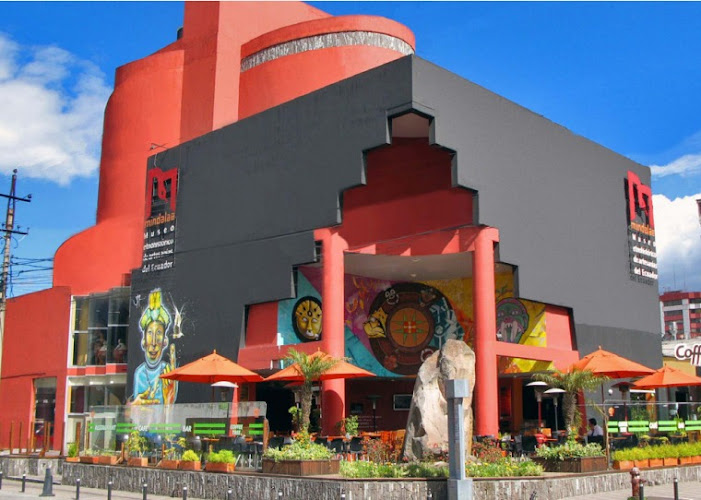
Description
The Mindalae – Ethnohistoric & Crafts Museum of Ecuador is one of those places that quietly surprises you. It doesn’t shout for attention like some of Quito’s more famous landmarks, but once you step inside, it pulls you into a world where Ecuador’s cultural heartbeat feels alive and breathing. The museum was founded by the Sinchi Sacha Foundation, a group deeply committed to preserving the country’s artisan traditions and the stories behind them. You can tell from the moment you walk in that this isn’t just about pretty crafts—it’s about identity, memory, and the hands that shaped them.
I remember the first time I visited. I’d just come from the bustling Mariscal district, where cafés and hostels spill onto the sidewalks, and suddenly I found myself in this calm, almost sacred space. The air smelled faintly of wood and natural fibers. Each floor of the museum—five in total—is carefully curated to represent different regions and cultural groups of Ecuador. You’ll see textiles woven by Kichwa women from the Andes, pottery from coastal communities, and ceremonial masks that seem to carry the stories of entire villages. It’s not flashy, but it’s deeply human.
What makes Mindalae stand out is its focus on fair trade and sustainability. The museum is certified by the World Fair Trade Organization (WFTO), which means every piece you see in the shop or exhibit is produced ethically and supports local artisans directly. There’s something pretty special about knowing your souvenir purchase contributes to keeping ancient techniques alive. It’s not just a museum—it’s a living network of artisans, traditions, and shared pride.
And yes, it’s not perfect. Some visitors might say a few exhibits could use more English translations or updated lighting, but honestly, that’s part of its charm. It feels authentic, not overly polished or commercialized. You can sense that the people behind it care more about cultural preservation than fancy presentation. That sincerity seeps into every corner of the place.
Key Features
- Five floors of immersive exhibits: Each level is dedicated to a different cultural region of Ecuador, from the Amazon to the Andes to the Coast.
- Authentic artisan crafts: Displays include textiles, ceramics, wood carvings, jewelry, and ceremonial items made by indigenous and Afro-Ecuadorian communities.
- Fair trade certification: The museum operates under the principles of fair trade, supporting small-scale producers and ensuring ethical sourcing.
- Interactive displays: Some sections allow you to touch materials or watch artisans at work, giving a tactile sense of the craft process.
- On-site artisan shop: The ground-floor store sells high-quality crafts directly from local makers—perfect for meaningful souvenirs.
- Live performances: Occasionally, traditional musicians and dancers perform, bringing the exhibits to life in the most unexpected way.
- Accessibility-friendly: The building includes wheelchair-accessible entrances, restrooms, and seating areas.
- Family and LGBTQ+ friendly: The atmosphere is inclusive, educational, and welcoming to all visitors.
- Peaceful café and rest area: A small café inside offers local snacks and coffee, ideal for taking a quiet break between exhibits.
One thing I personally loved was the textile section. The colors are so rich they almost hum. You can see the hand-dyed threads and imagine the weavers sitting in the highlands, working with patience that most of us have forgotten. There’s also a section dedicated to natural materials—fibers, seeds, and pigments—that shows how deeply Ecuadorian artisans are connected to their environment. It’s humbling, really.
Best Time to Visit
Quito’s weather doesn’t vary dramatically throughout the year, but mornings tend to be clearer, with afternoons often giving way to drizzle. If you want to enjoy the museum without the crowds, go on a weekday morning. Saturdays can get busier with families and small tour groups, though it’s still manageable. I’d avoid rainy late afternoons—not just because of the weather, but because the soft natural light filtering through the museum’s windows in the morning really enhances the colors of the exhibits.
Another small tip: if you’re planning to explore nearby attractions like La Mariscal or Parque El Ejido, pair your visit to Mindalae with those. It makes for a full, culturally rich day without rushing. And if you’re the kind of traveler who likes to take photos, the museum’s warm lighting and handcrafted textures make for some absolutely stunning shots—especially on sunny mornings when the light hits just right.
How to Get There
The museum sits in a central area of Quito, not far from major avenues and public transport stops. If you’re staying around the Mariscal area, it’s an easy walk. For those coming from the historic center, you can take a taxi or ride-share—it’s about a 15- to 20-minute ride depending on traffic. Buses also pass nearby, though if you’re new to Quito’s transport system, taxis are far simpler and still inexpensive by most international standards.
For eco-conscious travelers, walking or biking is a great option. The neighborhood is relatively safe during the day, with plenty of cafés and small shops along the way. I once walked there from my hostel, stopping for a coffee en route, and it felt like a mini adventure in itself. Just remember that Quito sits over 2,800 meters above sea level, so take it slow if you’re still adjusting to the altitude.
Tips for Visiting
Here’s what I’d tell a friend before they go:
- Take your time: Don’t rush through. Each floor tells a different story, and it’s worth pausing to read the small details or just observe the craftsmanship.
- Bring cash: The artisan shop accepts cards, but smaller purchases might be easier in cash. Plus, you’ll probably find something irresistible.
- Ask questions: The staff are incredibly knowledgeable and passionate. If you’re curious about a specific artifact or technique, they’ll happily explain.
- Combine it with local dining: After your visit, there are some great nearby restaurants serving Ecuadorian dishes—perfect for continuing your cultural immersion.
- Mind the altitude: Quito’s elevation can catch visitors off guard. Drink water, take breaks, and don’t overexert yourself climbing stairs.
- Photography: You’re usually allowed to take pictures (without flash), but always ask first. Some exhibits are sensitive to light exposure.
- Kids and families: The museum is family-friendly, with enough visual variety to keep children engaged. The hands-on sections are especially fun for them.
And here’s a personal thought—if you’re the kind of traveler who seeks connection rather than just sightseeing, this place will resonate. It’s not about ticking boxes or taking selfies; it’s about understanding the soul of Ecuador through its crafts. You’ll leave with more than just memories—you’ll carry a sense of respect for the people who keep these traditions alive.
In a world where so much feels mass-produced, the Mindalae Museum reminds you that beauty still lives in the handmade, the imperfect, and the deeply human. It’s a quiet kind of magic, the kind that lingers long after you’ve stepped back into the city’s noise.