Description
The Medersa Merinide stands as one of Morocco’s lesser-known architectural treasures, quietly waiting in Salé while most tourists rush past to its more famous neighbor across the Bou Regreg River. Built during the 14th century under Sultan Abu al-Hasan, this medieval Islamic school represents a period when the Marinid dynasty was pouring resources into educational and religious institutions across their realm. And honestly, walking through its doors feels like stepping into a time capsule that somehow escaped the relentless march of modern tourism.
I remember the first time I stumbled upon this place—literally stumbled, because I’d gotten wonderfully lost trying to navigate Salé’s medina. The Medersa sits right beside the Grand Mosque of Salé, which made finding it both easier and harder at the same time since the mosque naturally draws your attention first. But once you spot the entrance to this historic madrasa, you’ll understand why it deserves its own dedicated visit.
The building served as both a theological college and a residence for students studying Islamic law, theology, and Arabic grammar. These weren’t just classrooms—students actually lived here while pursuing their education, sleeping in tiny cells surrounding the central courtyard. The Marinid sultans understood that creating beautiful spaces for learning somehow made the difficult work of scholarship more bearable. They weren’t wrong.
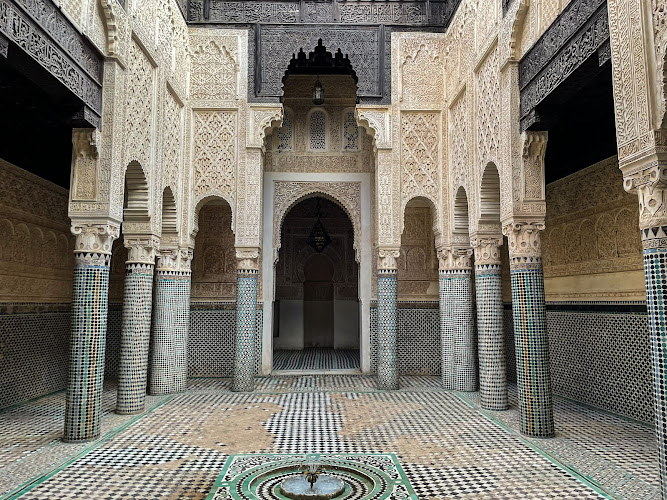
What makes this particular madrasa special is its remarkably preserved decorative elements. We’re talking intricate zellige tilework, carved cedar wood, and stucco plasterwork that would have taken artisans months or even years to complete. The craftsmanship speaks to an era when rushing simply wasn’t part of the vocabulary. Sure, you’ll find similar architectural styles in other Moroccan madrasas, but there’s something about the combination of this building’s historical significance and its relative obscurity that creates a different atmosphere entirely.
Key Features
The Medersa Merinide offers visitors several distinctive elements that make it worth the journey across the river to Salé:
• The central courtyard serves as the architectural heart of the building, featuring a rectangular pool that once provided water for ritual ablutions before prayer. The symmetry here isn’t just aesthetically pleasing—it reflects Islamic principles of balance and order.
• Student cells line the upper floor, giving visitors a genuine glimpse into medieval student life. These tiny rooms are surprisingly small, making you grateful for modern university accommodations no matter how cramped they might feel.
• The prayer hall contains a beautifully decorated mihrab (the niche indicating the direction of Mecca) with exceptional stucco work that’s survived centuries remarkably intact.
• Zellige tilework in geometric patterns covers the lower portions of walls throughout the building, displaying the mathematical precision that Moroccan craftsmen perfected during this period.
• Carved cedar wood panels and doors showcase intricate arabesque designs and Kufic calligraphy, many containing verses from the Quran or praises to the sultan who commissioned the building.
• The building’s educational layout demonstrates how Islamic institutions organized learning spaces, with communal areas for teaching and private spaces for study and contemplation.
• Restroom facilities are available on-site, which might seem like a mundane detail but becomes pretty important when you’re spending a day exploring Salé’s medina.
• The location right next to the Grand Mosque provides context for understanding how religious and educational institutions functioned together in medieval Islamic cities.
Best Time to Visit
Timing your visit to the Medersa Merinide requires thinking about both weather and crowds—or in this case, the blessed lack of them. Unlike Marrakech’s Ben Youssef Madrasa, which sees tour groups practically lined up around the block, this place remains relatively peaceful even during peak tourist season.
Spring months from March through May offer probably the most comfortable conditions for exploring. Temperatures hover in that sweet spot where you can walk around the medina without melting into a puddle, and the light streaming into the courtyard creates gorgeous conditions for photography. The morning hours between 9 and 11 AM tend to be quietest, though that might change as word gets out about this gem.
Fall, particularly October and November, provides another excellent window. The summer heat has broken, but you haven’t hit the winter rainy season yet. Plus, the tourist numbers thin out a bit after the September rush, meaning you might have entire rooms to yourself for contemplation.
But here’s the thing—winter visits have their own appeal despite the cooler temperatures and occasional rain. The building’s interior courtyard can feel quite different under overcast skies, more contemplative somehow. Just bring a jacket because these old stone buildings don’t exactly radiate warmth. Summer visits are possible but prepare for heat, especially since Salé doesn’t get quite the same Atlantic breezes as coastal Rabat.
Weekdays generally see fewer visitors than weekends, when Moroccan families might include it in their outings. The building is typically open during standard tourist hours, though confirming current schedules before you go saves disappointment. Religious holidays can affect access, so planning around major Islamic celebrations is smart.
How to Get There
Getting to the Medersa Merinide means first getting to Salé, which is easier than many travelers expect. The city sits directly across the Bou Regreg River from Rabat, Morocco’s capital, making it highly accessible whether you’re based in Rabat or arriving from elsewhere.
If you’re staying in Rabat, the modern tramway system offers the most straightforward route. The tram crosses the river and has several stops throughout Salé. You’ll want to get off at a stop near the medina, then navigate the old city streets to reach the madrasa near the Grand Mosque. Ask locals for “Jemaa el-Kebir” (the Grand Mosque) and they’ll point you in the right direction. The medersa sits right beside it.
Taxis work well too, both petit taxis for shorter distances within the Rabat-Salé area or grand taxis if you’re coming from further away. Drivers will know the Grand Mosque of Salé, which makes a perfect landmark for directing them. Just be prepared—the medina’s narrow streets mean you’ll probably get dropped at an entrance and walk the final distance.
For the adventurous, walking from central Rabat across one of the bridges offers a lovely journey, especially in pleasant weather. The Hassan II Bridge provides pedestrian walkways with river views. Once across, you’ll enter Salé and need to navigate toward the old medina. GPS works reasonably well for getting you to the general area, though the medina’s twisting lanes might confuse your phone’s navigation just like they confuse everyone else.
Driving yourself is possible but parking near the medina can be challenging. You’re better off leaving your car somewhere secure and using other transportation for the final approach. The medina wasn’t designed for automobiles, obviously, so embrace the pedestrian experience.
Tips for Visiting
Wear comfortable walking shoes—this isn’t negotiable. The medina’s streets are paved with stones that have been polished smooth by centuries of foot traffic, making them slippery when wet and uneven when dry. Your Instagram-worthy sandals can wait for the beach.
Bring cash for the entrance fee since card readers aren’t standard at smaller museums and historic sites in Morocco. The fee is quite reasonable compared to European museum prices, which is refreshing.
Photography is generally allowed, but ask permission if you’re unsure or if there are other visitors praying nearby. The space deserves respect as a former religious institution even though it functions primarily as a museum now. Natural light in the courtyard creates beautiful conditions, but a camera that handles lower light helps for the interior rooms.
Don’t rush your visit. I’ve seen people blow through in 15 minutes, checking it off their list like they’re completing a scavenger hunt. Take time to actually look at the craftsmanship. Sit in the courtyard. Try to imagine students here centuries ago, studying by lamplight and debating theological fine points. The building rewards slow observation.
Combine your visit with broader exploration of Salé’s medina, which remains authentically Moroccan in ways that some more touristy destinations have lost. The surrounding area has pottery workshops, traditional cafes, and everyday street life that provides context for understanding how the medersa fit into its community.
Modest dress makes sense both for cultural respect and practical comfort. While Salé is generally relaxed, covering shoulders and knees costs you nothing and shows awareness of local customs. Women might bring a scarf just in case.
The site is good for kids according to visitor feedback, but obviously it depends on the child. Active youngsters who need constant stimulation might get bored, while children interested in history or architecture could find it fascinating. The courtyard pool is empty now, which prevents accidental swimming incidents but might disappoint expectations.
Unfortunately, wheelchair accessibility is basically non-existent given the building’s medieval construction. Steps, uneven surfaces, and narrow doorways create barriers that weren’t considerations in 14th-century architecture. Visitors with mobility challenges should be aware of these limitations.
Hiring a local guide can enhance understanding significantly. The architectural and historical details become much richer when someone knowledgeable explains the symbolism, construction techniques, and historical context. But independent exploration works perfectly fine too if you prefer discovering things at your own pace.
 Real Journey Travels