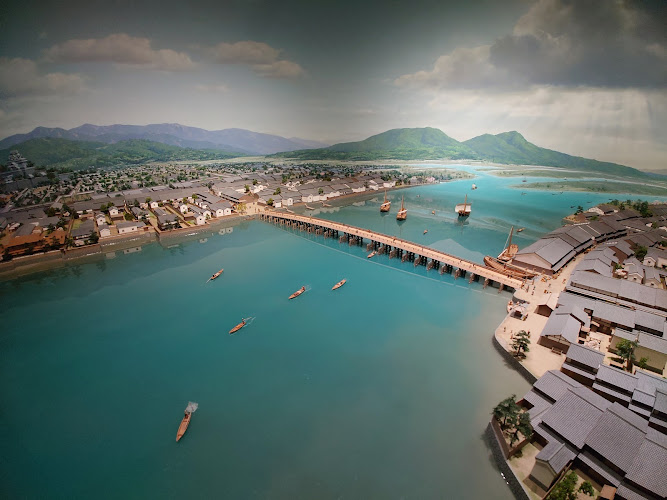
It focuses on everyday life, governance, and commerce during the Edo period, using artifacts, models, and carefully reconstructed scenes. Visitors will find displays that explain how a castle town functioned: from merchants and samurai to artisans and festivals. And yes, there is a small tea shop serving wagashi — those delicate Japanese confections — which feels like a tiny reward for making it through the exhibits.
The atmosphere is quietly thoughtful rather than flashy. The museum’s design leans toward clarity: mannequins in period dress, maps that show how the town grew, and objects that feel surprisingly close-up and personal. It’s not a blockbuster museum with massive, dimly lit galleries; instead, it invites a slower pace. People who like to take photos of details, read labels, and imagine themselves in a different century will appreciate it. On the other hand, those expecting hands-on, interactive blockbuster-style displays might find some rooms more traditional.
Accessibility is solid. The museum lists wheelchair accessible entrances, parking, and restrooms, which makes it a practical stop for travelers with mobility needs. Restroom facilities are available inside. There is no full-service restaurant on site, but the tea shop dispenses simple, well-made sweets and tea — and that counts for a lot when you’ve been walking all morning. The place is family-friendly: kids tend to enjoy the miniatures and the tangible sense of stepping into a historical neighborhood, though adults often end up enjoying the wagashi more than the little ones.
Overall sentiment among visitors tends to lean positive, with many appreciating the calm, educational layout and the Edo vibe. But some visitors mention that the museum is modest in scale and may feel compact compared to metropolitan history museums. That variety is actually useful: if you come expecting a concise, well-curated snapshot of Matsue’s castle town history, you’ll likely leave satisfied. If you expect a sprawling, multimedia spectacle, adjust expectations a touch.
Key Features
- Rotating or seasonal exhibits that link local customs to historical context
Best Time to Visit
Spring and autumn are especially appealing times to visit the Matsue History Museum because Matsue as a city is lovely in cherry blossom and foliage seasons. But honestly, the museum itself is a good bet year-round. It’s indoors, sheltered from rain and humidity, so a rainy day can turn into one of the best museum days of your trip. Weekday mornings are the sweet spot if you’re aiming to avoid crowds and want a quiet place to read every label at leisure.
If you can time the visit to coincide with a Matsue festival or a seasonal display at the museum, do it. These special exhibits often bring in artifacts or demonstrations that aren’t on view otherwise, and they give the place more life. The tea shop’s wagashi often reflects seasonal motifs — spring flowers, summer motifs — which makes a visit feel a little more unique depending on when you go.
Peak tourist seasons — Golden Week in early May, Obon in mid-August, and national holidays — will see more visitors around Matsue, so if you want elbow room, avoid those exact dates. Early afternoon on weekends gets busier, since families pair a castle visit with the museum. If you’re combining stops, consider visiting the museum first thing, then wandering out to the surrounding historical streets while they’re still quiet.
How to Get There
The Matsue History Museum sits within the historical district that clusters around Matsue Castle and the Horikawa canal area. It is easy to reach by local transport options. From the main train station in Matsue, many travelers will take a short bus ride or taxi; those who enjoy walking can reach the area on foot with a scenic stroll through town. Bicycles and rental bikes are popular in Matsue and can be a pleasant way to travel between attractions on a clear day.
Public buses serving the castle area are frequent enough for casual sightseeing, but schedules can vary on weekends and holidays. Taxis are convenient and not overly expensive for short hops around the city center. If arriving from Izumo or farther afield, plan a bit of extra time for transfers; Matsue’s compact size means once you’re in the center, most attractions are within easy reach.
When navigating in town, look for signage to the castle and the Horikawa canal — they double as useful orientation points. The museum is close enough to combine with a castle visit, a boat ride on the canals, or a stroll through nearby historical streets. Many visitors plan a half-day to comfortably see the museum, grab tea, and explore the surroundings.
Tips for Visiting
Plan for 60–90 minutes inside the museum; that’s usually enough time to read the exhibits, enjoy the tea shop, and take photographs of the building’s details. But if you love to linger — and some people do, poring over tiny artifacts and old maps — block out two hours. The pace is unhurried, and you should feel free to take the time you need.
Bring cash. The tea shop and small museum purchases sometimes prefer cash for the quick transactions. Also, consider carrying small bills for wagashi — the sweets are a small indulgence but very satisfying, especially with green tea. And speaking of the tea shop, one little tip: try to sit for a minute and watch people come and go. It’s relaxing and offers moments of small-town observation that feel precious when traveling.
Photography policies can vary, so look for signs. Some displays allow photos without flash; others may restrict photography to protect delicate items. When in doubt, ask a staff member. They’re generally helpful and can point out lesser-known highlights — a particular map detail, a local craft, or a hidden corner that often goes unnoticed.
Kids do well here, but pack a small activity if your little ones get restless. The dioramas and models are engaging, but labels can be dense. If travel companions want deeper context, find a quiet bench and trade off — someone watches the kids while the other reads the displays. The museum staff are used to families and usually give friendly, patient directions.
Accessibility is actually a strength: wheelchair users will find an entrance and parking, and there are accessible restrooms. That practicality is reassuring; this is not a place that prioritizes style over function. If mobility is a concern, it’s still a comfortably doable visit.
Combine it with other nearby attractions. One of the best travel hacks for Matsue is arranging a short loop: castle, museum, canal boat, then a light meal elsewhere. The museum’s tea shop is tempting, but since it’s not a full restaurant, plan for lunch or dinner at another local spot. Seek out places serving regional cuisine, or try a cafe with views over the canal — they often offer seasonal menus that complement the historical vibe.
Don’t be afraid to ask questions. Staff and volunteers often have interesting anecdotes or context that don’t make it into the labels. One writer remembers asking about a festival costume and being escorted to a drawer of supplementary notes and photos that added a delightful human layer to an otherwise quiet display. Those small conversations can make the whole visit feel richer.
Final practical note: check opening hours and any holiday schedules before you go. Many smaller museums in Japan close one weekday and may close for short periods between exhibitions or at the end of the year. A little planning saves you the disappointment of arriving at a locked gate after a long morning of sightseeing.
In short, the Matsue History Museum is a concentrated, carefully curated look at what made the castle town tick. It’s accessible, snug, and a fine spot to pause in a town that rewards slow exploration. Whether you’re a history buff, a family with curious kids, or someone who just wants a pleasant inward break while wandering Matsue Japan, this museum is worth penciling into the itinerary.
 Real Journey Travels