
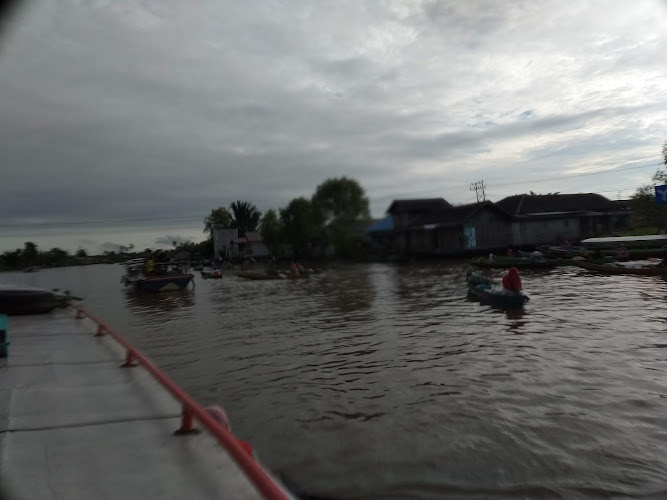
Martapura River
About Martapura River
Description
The Martapura River flows through the heart of South Kalimantan, Indonesia, winding its way toward the Barito River and eventually the Java Sea. It’s not just a body of water—it’s the lifeblood of Banjarmasin and Martapura, shaping the rhythm of daily life for centuries. Locals often call it Sungai Martapura, though some older generations still refer to it by its historical names, like Kayutangi or Banjar Kecil River. The river’s identity is deeply tied to trade, faith, and tradition, making it one of those places that quietly tell the story of a region’s soul.
What makes the Martapura River so special isn’t just its scenic flow or the way it reflects the golden hues of the Kalimantan sun—it’s the life it sustains. Early in the morning, you’ll see floating markets come alive, with women paddling small wooden boats, selling fruits, vegetables, and colorful local snacks. It’s the kind of experience that feels timeless, like stepping into a living museum. But it’s not all postcard-perfect; the river also bears the marks of modern life—occasional litter, busy bridges, and the hum of motorboats. Still, there’s an undeniable charm in that mix of old and new.
I remember the first time I took a kelotok (a small motorized boat) along the Martapura River. The sound of the engine echoed across the calm water, and the air smelled faintly of wet wood and fried bananas from a nearby stall. The city seemed to unfold from the riverbanks—mosques with gleaming domes, wooden stilt houses, children waving from porches. It’s the kind of place that doesn’t try too hard to impress you—it just is, and that’s what makes it unforgettable.
Key Features
- Floating Markets: The Lok Baintan Floating Market is one of the most iconic scenes along the Martapura River, where traders sell goods from traditional jukung boats at sunrise.
- Cultural Heritage: The river passes through historic neighborhoods that showcase Banjar architecture, Islamic learning centers, and traces of Dutch colonial influence.
- Local Life: Daily routines unfold on the river—children bathe, fishermen cast nets, and families commute by boat. It’s an authentic glimpse into the rhythm of South Kalimantan.
- Gemstone Connection: Martapura, known as the “City of Diamonds,” sits along the river and is famous for its traditional diamond mining and gemstone markets.
- Photography Opportunities: Early morning light on the water, reflections of mosques, and colorful boats create endless photo possibilities.
- Eco and Religious Tourism: The river is dotted with small mosques and eco-tourism spots, offering both spiritual and environmental exploration.
Best Time to Visit
If you’re planning a trip, the best time to explore the Martapura River is during the dry season, roughly from May to September. The weather is more predictable, and the skies are clearer—perfect for river cruises and photography. Early mornings are magical; the mist still hovers over the water, and the floating markets are in full swing. You can literally feel the hum of life waking up.
That said, the rainy season (October to April) has its own charm. The river swells, the greenery deepens, and there’s something soothing about watching raindrops ripple across the water. Just be prepared for occasional downpours and muddy banks. Bring a poncho, and you’ll be fine. Some locals even say the river looks more alive after rain—it’s like nature’s way of giving it a quick refresh.
How to Get There
Reaching the Martapura River is fairly easy if you’re already in South Kalimantan. Most travelers start from Banjarmasin, the provincial capital, which is well-connected by air from major Indonesian cities like Jakarta, Surabaya, and Balikpapan. From the airport, it’s about a 30 to 45-minute drive to the riverfront, depending on traffic.
Once you’re there, the best way to explore is by boat. You can hire a kelotok at the docks—prices are negotiable, and locals are usually friendly and eager to share stories. Some tours even include stops at floating markets, traditional villages, and gemstone workshops in Martapura. If you prefer a slower pace, there are also riverside cafés where you can just sit, sip coffee, and watch the boats drift by. Honestly, that might be the best way to soak it all in.
Tips for Visiting
Visiting the Martapura River isn’t just about sightseeing—it’s about immersing yourself in a way of life that’s been flowing for generations. Here are a few tips to make your experience smoother and more meaningful:
- Go Early: The floating markets start before sunrise, and the best scenes happen between 5:30 and 7:00 a.m. It’s worth the early wake-up call.
- Bring Cash: Most traders on the river don’t accept digital payments, so small bills are handy for buying snacks or souvenirs.
- Respect Local Customs: The region is predominantly Muslim, so dress modestly, especially if you plan to visit mosques or local homes.
- Stay Hydrated: The tropical heat can sneak up on you, especially when you’re out on the water for hours.
- Support Local Guides: Hiring a local boatman or guide not only enriches your experience but also supports the community directly.
- Be Mindful of Waste: Don’t throw anything into the river. Locals are working hard to keep it clean, and every bit of effort matters.
- Photography Etiquette: Always ask before taking close-up photos of people, especially traders. A smile and a polite gesture go a long way.
If you’re the kind of traveler who enjoys places that feel alive—where you can actually hear the hum of daily life—the Martapura River will stay with you long after you’ve left. It’s not a polished tourist attraction, and that’s precisely its appeal. There’s beauty in its imperfections, in the laughter of boat vendors, in the clatter of wooden paddles, in the way the sunlight dances on the water’s surface.
Some travelers might find the area a bit chaotic or even rough around the edges, and that’s fair. It’s a working river, not a manicured resort. But if you lean into that authenticity, you’ll find a richness that no luxury cruise could ever replicate. The Martapura River isn’t trying to impress—it’s simply living, breathing, and flowing as it always has. And honestly, that’s what makes it worth the journey.
Key Features
- Key Features
- Best Time to Visit
- How to Get There
- Tips for Visiting
More Details
Updated November 7, 2025
Table of Contents
Description
The Martapura River flows through the heart of South Kalimantan, Indonesia, winding its way toward the Barito River and eventually the Java Sea. It’s not just a body of water—it’s the lifeblood of Banjarmasin and Martapura, shaping the rhythm of daily life for centuries. Locals often call it Sungai Martapura, though some older generations still refer to it by its historical names, like Kayutangi or Banjar Kecil River. The river’s identity is deeply tied to trade, faith, and tradition, making it one of those places that quietly tell the story of a region’s soul.
What makes the Martapura River so special isn’t just its scenic flow or the way it reflects the golden hues of the Kalimantan sun—it’s the life it sustains. Early in the morning, you’ll see floating markets come alive, with women paddling small wooden boats, selling fruits, vegetables, and colorful local snacks. It’s the kind of experience that feels timeless, like stepping into a living museum. But it’s not all postcard-perfect; the river also bears the marks of modern life—occasional litter, busy bridges, and the hum of motorboats. Still, there’s an undeniable charm in that mix of old and new.
I remember the first time I took a kelotok (a small motorized boat) along the Martapura River. The sound of the engine echoed across the calm water, and the air smelled faintly of wet wood and fried bananas from a nearby stall. The city seemed to unfold from the riverbanks—mosques with gleaming domes, wooden stilt houses, children waving from porches. It’s the kind of place that doesn’t try too hard to impress you—it just is, and that’s what makes it unforgettable.
Key Features
- Floating Markets: The Lok Baintan Floating Market is one of the most iconic scenes along the Martapura River, where traders sell goods from traditional jukung boats at sunrise.
- Cultural Heritage: The river passes through historic neighborhoods that showcase Banjar architecture, Islamic learning centers, and traces of Dutch colonial influence.
- Local Life: Daily routines unfold on the river—children bathe, fishermen cast nets, and families commute by boat. It’s an authentic glimpse into the rhythm of South Kalimantan.
- Gemstone Connection: Martapura, known as the “City of Diamonds,” sits along the river and is famous for its traditional diamond mining and gemstone markets.
- Photography Opportunities: Early morning light on the water, reflections of mosques, and colorful boats create endless photo possibilities.
- Eco and Religious Tourism: The river is dotted with small mosques and eco-tourism spots, offering both spiritual and environmental exploration.
Best Time to Visit
If you’re planning a trip, the best time to explore the Martapura River is during the dry season, roughly from May to September. The weather is more predictable, and the skies are clearer—perfect for river cruises and photography. Early mornings are magical; the mist still hovers over the water, and the floating markets are in full swing. You can literally feel the hum of life waking up.
That said, the rainy season (October to April) has its own charm. The river swells, the greenery deepens, and there’s something soothing about watching raindrops ripple across the water. Just be prepared for occasional downpours and muddy banks. Bring a poncho, and you’ll be fine. Some locals even say the river looks more alive after rain—it’s like nature’s way of giving it a quick refresh.
How to Get There
Reaching the Martapura River is fairly easy if you’re already in South Kalimantan. Most travelers start from Banjarmasin, the provincial capital, which is well-connected by air from major Indonesian cities like Jakarta, Surabaya, and Balikpapan. From the airport, it’s about a 30 to 45-minute drive to the riverfront, depending on traffic.
Once you’re there, the best way to explore is by boat. You can hire a kelotok at the docks—prices are negotiable, and locals are usually friendly and eager to share stories. Some tours even include stops at floating markets, traditional villages, and gemstone workshops in Martapura. If you prefer a slower pace, there are also riverside cafés where you can just sit, sip coffee, and watch the boats drift by. Honestly, that might be the best way to soak it all in.
Tips for Visiting
Visiting the Martapura River isn’t just about sightseeing—it’s about immersing yourself in a way of life that’s been flowing for generations. Here are a few tips to make your experience smoother and more meaningful:
- Go Early: The floating markets start before sunrise, and the best scenes happen between 5:30 and 7:00 a.m. It’s worth the early wake-up call.
- Bring Cash: Most traders on the river don’t accept digital payments, so small bills are handy for buying snacks or souvenirs.
- Respect Local Customs: The region is predominantly Muslim, so dress modestly, especially if you plan to visit mosques or local homes.
- Stay Hydrated: The tropical heat can sneak up on you, especially when you’re out on the water for hours.
- Support Local Guides: Hiring a local boatman or guide not only enriches your experience but also supports the community directly.
- Be Mindful of Waste: Don’t throw anything into the river. Locals are working hard to keep it clean, and every bit of effort matters.
- Photography Etiquette: Always ask before taking close-up photos of people, especially traders. A smile and a polite gesture go a long way.
If you’re the kind of traveler who enjoys places that feel alive—where you can actually hear the hum of daily life—the Martapura River will stay with you long after you’ve left. It’s not a polished tourist attraction, and that’s precisely its appeal. There’s beauty in its imperfections, in the laughter of boat vendors, in the clatter of wooden paddles, in the way the sunlight dances on the water’s surface.
Some travelers might find the area a bit chaotic or even rough around the edges, and that’s fair. It’s a working river, not a manicured resort. But if you lean into that authenticity, you’ll find a richness that no luxury cruise could ever replicate. The Martapura River isn’t trying to impress—it’s simply living, breathing, and flowing as it always has. And honestly, that’s what makes it worth the journey.
Key Highlights
- Key Features
- Best Time to Visit
- How to Get There
- Tips for Visiting
Location
Places to Stay Near Martapura River
Find and Book a Tour
Explore More Travel Guides
No reviews found! Be the first to review!
Traveler Reviews for Martapura River
There are no reviews yet. Be the first one to write one.
Have you visited Martapura River? Help other travelers by sharing your review.
You Might Also Like
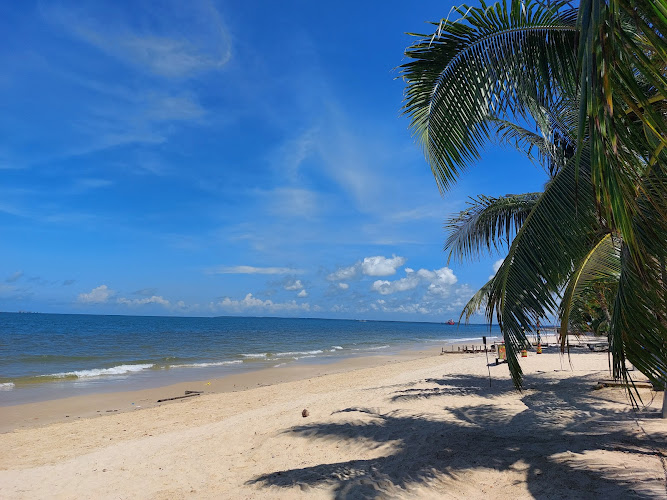
Kemala Beach
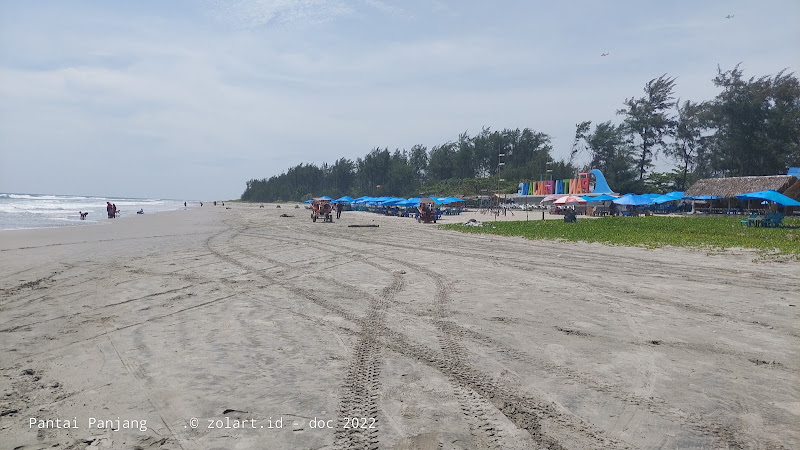
Panjang Beach
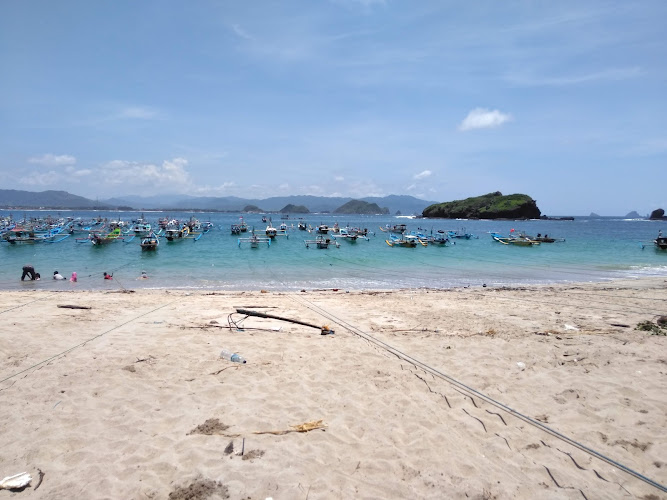
Papuma Beach
Find Accommodations Nearby
Recommended Tours & Activities
Visitor Reviews
There are no reviews yet. Be the first one to write one.
Share Your Experience
Have you visited Martapura River? Help other travelers by leaving a review.