
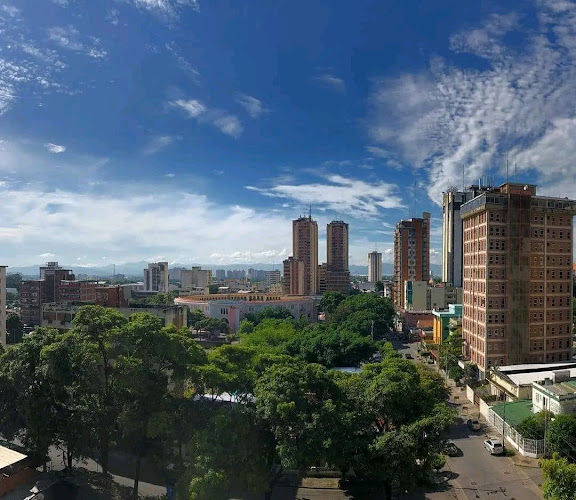
Maracay
About Maracay
Description
Maracay sits in north-central Venezuela, a city that feels like it’s constantly negotiating between mountains, history, and the Caribbean air drifting in from the coast. It’s the capital of Aragua state and, frankly, one of those places that doesn’t shout for attention but rewards you when you slow down. With a population hovering just under a million when you count the surrounding areas, Maracay is busy, yes, but not overwhelming. It’s a working city. People live here, raise families, complain about traffic, argue about baseball. And then, casually, they live right next to one of the most biologically diverse national parks in the country.
The city’s personality is shaped by its geography. To the north rises Henri Pittier National Park, a thick green wall of cloud forest that feels almost unreal the first time you drive into it. I still remember my first trip through the mountain road toward the coast—windows down, sudden fog, a roadside stand selling coffee that tasted like it had been roasted that morning. Down the other side of those mountains are beaches like Choroní and Ocumare de la Costa, which many travelers mistakenly think are separate destinations. Locals know better. Maracay is the gateway.
Historically, Maracay carries weight. It was once closely tied to Venezuela’s military past, particularly during the era of Juan Vicente Gómez. You can still feel that legacy in the wide avenues, the old military buildings, and the slightly formal layout of some neighborhoods. But don’t expect a museum city. This place lives in the present, sometimes messily, sometimes beautifully. Street vendors selling empanadas at dawn, kids playing fútbol in cracked concrete courts, and the constant hum of buses heading somewhere important.
Travelers who come with an open mind often leave surprised. Maracay isn’t polished. It doesn’t try to impress you. But it’s real, and that’s its charm.
Key Features
- Direct access to Henri Pittier National Park, known for over 500 bird species and dramatic cloud forests
- Gateway city to Caribbean beaches like Choroní and Ocumare de la Costa
- El Limón Waterfall, a short hike from the city and a local weekend favorite
- Historic sites including Plaza Bolívar and the Maestranza César Girón bullring
- Strong local food culture with arepas, fresh juices, and coastal seafood influences
- Central location between Caracas and Valencia, making it a strategic travel base
- Warm, year-round climate moderated by mountain breezes
Best Time to Visit
Timing matters in Maracay, mostly because nature plays such a big role in what you’ll do here. The dry season, roughly from December to April, is generally the easiest time for travelers. Roads into the national park are more reliable, beach trips are smoother, and you won’t find yourself stuck waiting out a sudden downpour. If you’re the kind of person who likes hiking without feeling like you’re swimming through humidity, this is your window.
That said, the rainy season has its own appeal. From May to November, the mountains turn an almost electric green, waterfalls like El Limón swell with power, and birdwatching becomes next-level. I once visited in late June and watched a group of toucans cross the road like they owned it. Traffic stopped. No one complained. That kind of moment sticks with you.
Temperatures stay fairly consistent throughout the year, usually hovering between the mid-20s to low-30s Celsius. The heat can feel heavy in the city at midday, but head toward the mountains and it cools fast. Evenings are for walking, chatting, and sitting with a cold drink while the city exhales.
If you’re sensitive to crowds, avoid major local holidays when beaches get packed. Locals travel en masse, and while it’s fun energy, it can be a bit much if you were dreaming of quiet sand and space.
How to Get There
Maracay’s location is one of its strongest assets. It sits along Venezuela’s main central highway, making it relatively easy to reach from major cities. From Caracas, the drive takes about two hours on a good day, sometimes longer if traffic decides to have a personality. And it does. Always.
Most travelers arrive by road, either via private car or intercity buses that run frequently. The bus terminals are busy, chaotic, and very Venezuelan. Expect noise, snacks being sold at every angle, and someone calling out destinations louder than seems necessary. It’s all part of the experience.
If you’re already in Valencia, Maracay is even closer, about an hour away. This makes it a practical base if you’re exploring north-central Venezuela. Once in the city, getting around is straightforward but requires patience. Taxis are common, and shared transport options exist, though they can be confusing if you don’t speak some Spanish. But people are helpful. Ask. Even if your accent is rough, they’ll meet you halfway.
For beach trips, especially to Choroní, you’ll either drive over the mountain road or join a shared transport early in the morning. Early is key. Miss the window and you’ll feel it.
Tips for Visiting
First, come curious, not demanding. Maracay doesn’t cater to tourists in the way resort towns do, and that’s a good thing. You’ll get more out of the city if you adapt to its rhythm instead of trying to impose yours.
Learn a bit of Spanish before you arrive. Even basic phrases go a long way. I once completely butchered a sentence asking for directions to El Limón, and instead of laughing, the guy walked me halfway there. That kind of generosity shows up often, but you have to meet it with effort.
Start your days early. This is practical advice. Mornings are cooler, transport runs smoother, and attractions like the national park feel more alive. By midday, the heat can sap your energy fast, especially if you’re not used to it.
Be smart with logistics. Carry cash in small bills. Don’t flash expensive gear. Dress simply. These aren’t rules, just common sense, and they’ll help you relax and enjoy yourself more. Most neighborhoods are fine during the day, but ask locals about where you’re going, especially at night.
Food is a highlight, so don’t play it safe. Try street arepas, fresh fruit juices, and if you make it to the coast, eat fish the same day it was caught. You’ll taste the difference, I promise. One of my best meals ever was a no-frills plate of fried fish in Choroní, eaten with sandy feet and zero expectations.
For nature lovers, plan at least one full day in Henri Pittier National Park. Hire a local guide if you can. They know where the birds hide, when the fog lifts, and which trails are worth your time. And yes, bring insect repellent. You’ll thank me later.
Lastly, be patient. Things move slower here sometimes. Plans change. Buses run late. But in that space, you’ll find conversations, unexpected views, and moments you didn’t know you were looking for. Maracay rewards travelers who let go just a little and pay attention.
Key Features
- Direct access to Henri Pittier National Park, known for over 500 bird species and dramatic cloud forests
- Gateway city to Caribbean beaches like Choroní and Ocumare de la Costa
- El Limón Waterfall, a short hike from the city and a local weekend favorite
- Historic sites including Plaza Bolívar and the Maestranza César Girón bullring
- Strong local food culture with arepas, fresh juices, and coastal seafood influences
- Central location between Caracas and Valencia, making it a strategic travel base
- Warm, year-round climate moderated by mountain breezes
Tours & Activities
GetYourGuide provides this tour inventory. We may earn a commission if you book through it; verify current availability, prices, and terms with the provider.
Visitor Reviews
There are no reviews yet. Be the first one to write one.
Share Your Experience
Have you visited Maracay? Help other travelers by leaving a review.