About Mannheim Baroque Palace

Description

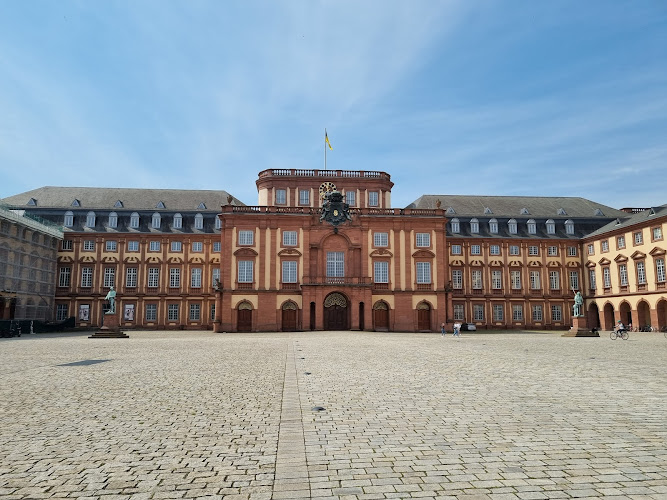
Mannheim Baroque Palace is one of those places that you can’t quite grasp until you’re standing right in front of it. The sheer size of the place hits you first—this isn’t just a palace, it’s practically a small city of its own. Built in the early 18th century, it’s one of the largest Baroque palaces in Europe, second only to Versailles. And honestly, when you’re wandering through its grand courtyards and ornate halls, you can really feel that sense of royal ambition. The palace was once the residence of the Prince-Electors of the Palatinate, and every inch of it seems designed to impress, from the sweeping staircases to the gilded ceilings that catch the light just right.

What’s fascinating is that it’s not just a museum piece. Today, much of the palace is part of the University of Mannheim, which gives it this interesting mix of old-world grandeur and modern academic life. You might see students rushing to lectures through corridors that once hosted lavish balls and royal ceremonies. It’s like history and the present are constantly brushing shoulders here. And that’s what gives the Mannheim Baroque Palace its unique energy—it’s alive, not frozen in time.

Inside, the restored halls are absolutely worth seeing. The State Rooms have been lovingly brought back to life, showing off how the Electors lived, entertained, and displayed their power. I remember standing in the Knight’s Hall, staring up at the frescoes, thinking about how many banquets and political deals must’ve gone down right there. It’s the kind of place that makes you pause and imagine the echoes of the past. But it’s not all solemn history—there’s also a lightness to the palace, especially when the sun hits the courtyard just right. It’s almost cinematic.

Of course, not every corner of the palace is perfect. Some visitors find parts of it a bit too academic, especially since it’s shared with the university. But that’s part of its charm, really. It’s not a sterile monument. It’s a living, breathing space that continues to evolve. And if you’re someone who loves architecture, the symmetry of the five wings and the 400-meter-long courtyard will absolutely blow your mind. It’s a masterpiece of Baroque design—grand but not gaudy, elegant but still human in scale when you walk through it.

Key Features

  • Architectural Grandeur: Five wings arranged around a massive 400-meter courtyard, showcasing classic Baroque symmetry and opulence.
  • Restored State Rooms: Lavish halls with period furnishings, frescoes, and gilded details that recreate 18th-century court life.
  • University Integration: Home to the University of Mannheim, blending historical architecture with modern academic life.
  • Exhibitions and Cultural Events: Regular exhibitions, concerts, and lectures that bring the palace’s cultural heritage to life.
  • Accessibility: Wheelchair-accessible entrances, restrooms, and parking, plus an assistive hearing loop for inclusive visits.
  • Family-Friendly Options: Discounts for children and families make it an accessible stop for travelers with kids.
  • Onsite Services: Guided tours, multilingual information panels, and a small gift shop offering local souvenirs.
  • Paid Parking: Convenient parking nearby, though it can fill up quickly on weekends and during events.

Best Time to Visit

If you ask me, spring and early autumn are the sweet spots for visiting Mannheim Baroque Palace. The weather’s mild, the gardens surrounding the palace start to bloom or turn golden, and the crowds aren’t too intense. Summer can be wonderful too, especially if you enjoy that lively buzz of tourists, students, and outdoor events, but it does get warm—and the stone courtyards can really radiate the heat. Winter has its own quiet charm, though. There’s something peaceful about walking through the palace when the air’s crisp and the halls feel almost hushed. Plus, Mannheim’s Christmas markets are just a short stroll away, which adds a festive touch to your visit.

One thing I’ve learned from traveling around Germany is that timing can really change your experience. If you prefer photography, go early in the morning when the light hits the façade perfectly. The golden tones of sunrise make the sandstone glow—it’s one of those moments that makes you stop fiddling with your camera and just take it in. Weekdays are usually less crowded, particularly outside of university term times, so you can explore at your own pace without feeling rushed.

How to Get There

Reaching Mannheim Baroque Palace is pretty straightforward, no matter where you’re coming from. Mannheim is well connected by train, and the palace sits right in the city center, just a short walk from the main station. If you’re arriving by car, there’s paid parking available nearby, though it’s smart to arrive early—parking spaces can disappear fast, especially on weekends or during special events. Public transportation is also a good bet; the local trams and buses stop close to the palace, making it easy to get there without the hassle of driving.

For those flying in, Frankfurt Airport is the nearest major hub, about an hour away by train. The regional trains are frequent and comfortable, and the journey itself offers some nice views of the Rhine-Neckar region. Personally, I love taking the train—it’s relaxing, and you can watch the landscape shift from industrial outskirts to tree-lined avenues as you approach Mannheim. Once you arrive, the palace is impossible to miss. Its red sandstone façade dominates the skyline, guiding you like a beacon of history.

Tips for Visiting

First things first—wear comfortable shoes. The palace is huge, and you’ll be doing a fair bit of walking, both indoors and across the courtyard. I made the rookie mistake of wearing new shoes on my first visit and regretted it about halfway through the tour. The floors are old stone and wood, and while beautiful, they’re not particularly forgiving on tired feet. If you plan to explore the exhibitions in depth, set aside at least two to three hours. There’s a lot to see, and it’s worth taking your time to really absorb the details.

Guided tours are definitely worth it if you’re the curious type. The guides are knowledgeable and often share quirky stories you won’t find on the information boards—like how certain rooms were used for secret meetings or how the palace survived wartime damage. And if you’re traveling with kids, the family discounts make it a great educational outing. The staff are usually friendly and happy to answer questions, which makes the experience feel personal rather than overly formal.

Accessibility is another plus point. The palace has made an effort to be inclusive, with wheelchair-accessible entrances, restrooms, and parking. There’s even an assistive hearing loop for visitors who need it. It’s refreshing to see such a historic site take modern accessibility seriously. If you’re planning to visit on a weekend or during holidays, consider booking your tour in advance—some of the special exhibitions can draw quite a crowd.

One small but important tip: check the schedule for cultural events before you go. The palace often hosts concerts and lectures that give you a deeper appreciation of its history and atmosphere. I once stumbled upon a classical music performance in one of the grand halls, and it was unforgettable—the acoustics, the setting, the whole vibe felt like stepping back in time. Also, don’t skip the courtyard. It’s a fantastic spot for photos, and if you grab a coffee from a nearby café, it’s the perfect place to sit and people-watch for a while.

Lastly, take a moment to just stand still and look around. It’s easy to rush from one exhibit to another, but part of the magic of Mannheim Baroque Palace is in the small details—the carvings on the doors, the patterns in the marble, the faint echo of footsteps in the corridors. It’s those moments that stay with you long after you’ve left. And if you’re anything like me, you’ll probably find yourself daydreaming about what it must’ve been like to live there centuries ago, surrounded by art, music, and a sense of grandeur that still lingers in the air today.

Key Features

  • Key Features
  • Best Time to Visit
  • How to Get There
  • Tips for Visiting

More Details

Updated November 30, 2025

Description

Mannheim Baroque Palace is one of those places that you can’t quite grasp until you’re standing right in front of it. The sheer size of the place hits you first—this isn’t just a palace, it’s practically a small city of its own. Built in the early 18th century, it’s one of the largest Baroque palaces in Europe, second only to Versailles. And honestly, when you’re wandering through its grand courtyards and ornate halls, you can really feel that sense of royal ambition. The palace was once the residence of the Prince-Electors of the Palatinate, and every inch of it seems designed to impress, from the sweeping staircases to the gilded ceilings that catch the light just right.

What’s fascinating is that it’s not just a museum piece. Today, much of the palace is part of the University of Mannheim, which gives it this interesting mix of old-world grandeur and modern academic life. You might see students rushing to lectures through corridors that once hosted lavish balls and royal ceremonies. It’s like history and the present are constantly brushing shoulders here. And that’s what gives the Mannheim Baroque Palace its unique energy—it’s alive, not frozen in time.

Inside, the restored halls are absolutely worth seeing. The State Rooms have been lovingly brought back to life, showing off how the Electors lived, entertained, and displayed their power. I remember standing in the Knight’s Hall, staring up at the frescoes, thinking about how many banquets and political deals must’ve gone down right there. It’s the kind of place that makes you pause and imagine the echoes of the past. But it’s not all solemn history—there’s also a lightness to the palace, especially when the sun hits the courtyard just right. It’s almost cinematic.

Of course, not every corner of the palace is perfect. Some visitors find parts of it a bit too academic, especially since it’s shared with the university. But that’s part of its charm, really. It’s not a sterile monument. It’s a living, breathing space that continues to evolve. And if you’re someone who loves architecture, the symmetry of the five wings and the 400-meter-long courtyard will absolutely blow your mind. It’s a masterpiece of Baroque design—grand but not gaudy, elegant but still human in scale when you walk through it.

Key Features

  • Architectural Grandeur: Five wings arranged around a massive 400-meter courtyard, showcasing classic Baroque symmetry and opulence.
  • Restored State Rooms: Lavish halls with period furnishings, frescoes, and gilded details that recreate 18th-century court life.
  • University Integration: Home to the University of Mannheim, blending historical architecture with modern academic life.
  • Exhibitions and Cultural Events: Regular exhibitions, concerts, and lectures that bring the palace’s cultural heritage to life.
  • Accessibility: Wheelchair-accessible entrances, restrooms, and parking, plus an assistive hearing loop for inclusive visits.
  • Family-Friendly Options: Discounts for children and families make it an accessible stop for travelers with kids.
  • Onsite Services: Guided tours, multilingual information panels, and a small gift shop offering local souvenirs.
  • Paid Parking: Convenient parking nearby, though it can fill up quickly on weekends and during events.

Best Time to Visit

If you ask me, spring and early autumn are the sweet spots for visiting Mannheim Baroque Palace. The weather’s mild, the gardens surrounding the palace start to bloom or turn golden, and the crowds aren’t too intense. Summer can be wonderful too, especially if you enjoy that lively buzz of tourists, students, and outdoor events, but it does get warm—and the stone courtyards can really radiate the heat. Winter has its own quiet charm, though. There’s something peaceful about walking through the palace when the air’s crisp and the halls feel almost hushed. Plus, Mannheim’s Christmas markets are just a short stroll away, which adds a festive touch to your visit.

One thing I’ve learned from traveling around Germany is that timing can really change your experience. If you prefer photography, go early in the morning when the light hits the façade perfectly. The golden tones of sunrise make the sandstone glow—it’s one of those moments that makes you stop fiddling with your camera and just take it in. Weekdays are usually less crowded, particularly outside of university term times, so you can explore at your own pace without feeling rushed.

How to Get There

Reaching Mannheim Baroque Palace is pretty straightforward, no matter where you’re coming from. Mannheim is well connected by train, and the palace sits right in the city center, just a short walk from the main station. If you’re arriving by car, there’s paid parking available nearby, though it’s smart to arrive early—parking spaces can disappear fast, especially on weekends or during special events. Public transportation is also a good bet; the local trams and buses stop close to the palace, making it easy to get there without the hassle of driving.

For those flying in, Frankfurt Airport is the nearest major hub, about an hour away by train. The regional trains are frequent and comfortable, and the journey itself offers some nice views of the Rhine-Neckar region. Personally, I love taking the train—it’s relaxing, and you can watch the landscape shift from industrial outskirts to tree-lined avenues as you approach Mannheim. Once you arrive, the palace is impossible to miss. Its red sandstone façade dominates the skyline, guiding you like a beacon of history.

Tips for Visiting

First things first—wear comfortable shoes. The palace is huge, and you’ll be doing a fair bit of walking, both indoors and across the courtyard. I made the rookie mistake of wearing new shoes on my first visit and regretted it about halfway through the tour. The floors are old stone and wood, and while beautiful, they’re not particularly forgiving on tired feet. If you plan to explore the exhibitions in depth, set aside at least two to three hours. There’s a lot to see, and it’s worth taking your time to really absorb the details.

Guided tours are definitely worth it if you’re the curious type. The guides are knowledgeable and often share quirky stories you won’t find on the information boards—like how certain rooms were used for secret meetings or how the palace survived wartime damage. And if you’re traveling with kids, the family discounts make it a great educational outing. The staff are usually friendly and happy to answer questions, which makes the experience feel personal rather than overly formal.

Accessibility is another plus point. The palace has made an effort to be inclusive, with wheelchair-accessible entrances, restrooms, and parking. There’s even an assistive hearing loop for visitors who need it. It’s refreshing to see such a historic site take modern accessibility seriously. If you’re planning to visit on a weekend or during holidays, consider booking your tour in advance—some of the special exhibitions can draw quite a crowd.

One small but important tip: check the schedule for cultural events before you go. The palace often hosts concerts and lectures that give you a deeper appreciation of its history and atmosphere. I once stumbled upon a classical music performance in one of the grand halls, and it was unforgettable—the acoustics, the setting, the whole vibe felt like stepping back in time. Also, don’t skip the courtyard. It’s a fantastic spot for photos, and if you grab a coffee from a nearby café, it’s the perfect place to sit and people-watch for a while.

Lastly, take a moment to just stand still and look around. It’s easy to rush from one exhibit to another, but part of the magic of Mannheim Baroque Palace is in the small details—the carvings on the doors, the patterns in the marble, the faint echo of footsteps in the corridors. It’s those moments that stay with you long after you’ve left. And if you’re anything like me, you’ll probably find yourself daydreaming about what it must’ve been like to live there centuries ago, surrounded by art, music, and a sense of grandeur that still lingers in the air today.

Key Highlights

  • Key Features
  • Best Time to Visit
  • How to Get There
  • Tips for Visiting

Location

Places to Stay Near Mannheim Baroque Palace

Find and Book a Tour

Explore More Travel Guides

No reviews found! Be the first to review!

Traveler Reviews for Mannheim Baroque Palace

There are no reviews yet. Be the first one to write one.

Share Your Experience

Have you visited Mannheim Baroque Palace? Help other travelers by sharing your review.

Find Accommodations Nearby

Recommended Tours & Activities

Visitor Reviews

There are no reviews yet. Be the first one to write one.

Share Your Experience

Have you visited Mannheim Baroque Palace? Help other travelers by leaving a review.