Description
The mangrove forests of Kozhikode offer travelers an authentic glimpse into one of nature’s most remarkable ecosystems, where land meets sea in a dance that’s been ongoing for millennia. These coastal wetlands stretch along the northern Kerala shoreline, creating a world that feels almost otherworldly in its quiet beauty. Unlike the more tourist-heavy destinations that pepper Kerala’s backwaters, these mangroves maintain a sense of genuine wilderness that’s becoming increasingly rare.
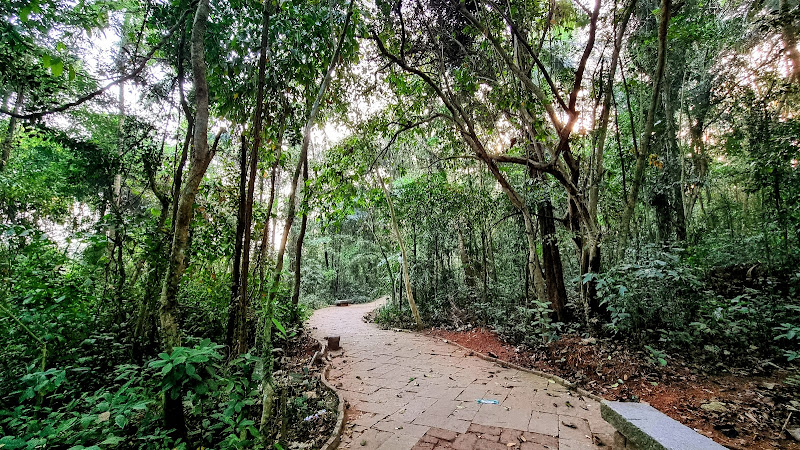
When you step into these forests, the first thing that strikes you is the silence—not complete silence, mind you, but the kind that’s punctuated by bird calls, rustling leaves, and the gentle lapping of tidal waters. The air itself feels different here, thick with moisture and carrying that distinctive earthy smell that only mangrove ecosystems can produce. It’s a scent that grows on you, honestly, becoming almost comforting as you spend more time exploring.
These aren’t your typical forests with towering trees reaching for the sky. Instead, the mangroves create an intricate network of roots that look like nature’s own architectural masterpiece. The trees seem to walk on stilts, their aerial roots plunging into the brackish water below, creating passages and channels that kayakers and small boat operators navigate with practiced ease. And during low tide, these root systems become even more visible, revealing an entire hidden world of crabs, mollusks, and fish that call this place home.
What makes Kozhikode’s mangrove forests particularly special is their relatively undeveloped state. You won’t find massive tourist infrastructure here—which some might see as a drawback, but many travelers will recognize as a blessing. The experience feels raw and real, though visitors should know that facilities are basic. The lack of wheelchair accessibility means that travelers with mobility concerns need to plan carefully, but families with kids will find the area generally suitable, as long as you keep a close eye on little ones near the water.
Key Features
- Extensive root systems creating natural mazes perfect for photography and exploration
- Over 50 species of birds documented in the area, making it a paradise for birdwatchers who come prepared with binoculars and patience
- Traditional fishing communities living alongside the mangroves, offering cultural insights into sustainable living
- Kayaking and small boat tours available through local operators who know these waters like the back of their hands
- Tidal variations that completely transform the landscape twice daily, essentially giving you two different experiences depending on when you visit
- Mudskippers, fiddler crabs, and other unique mangrove species visible during low tide walks
- Natural filtering systems where you can observe the mangroves doing their crucial work of cleaning water and preventing coastal erosion
- Early morning mist that creates ethereal photography conditions for those willing to wake before dawn
- Relatively uncrowded compared to other Kerala attractions, especially on weekdays
- Educational opportunities to learn about mangrove ecology and conservation efforts
Best Time to Visit
Timing your visit to the Kozhikode mangroves matters more than you might initially think. The region experiences distinct seasons that dramatically affect your experience, and honestly, picking the wrong time could leave you disappointed.
Winter months from November through February represent the absolute sweet spot for visiting. Temperatures hover in a comfortable range, usually between 20 to 30 degrees Celsius, and the humidity drops to tolerable levels. I can’t stress enough how much the reduced humidity improves the experience—you’ll actually want to spend hours exploring rather than seeking shade after thirty minutes. This period also coincides with migratory bird season, when species from distant lands join the resident birds, creating a birdwatcher’s dream scenario.
The early morning hours deserve special mention regardless of season. Arriving at sunrise—yes, I know it’s early, but trust me on this—transforms the experience entirely. The light filters through the mangrove canopy in ways that photographers dream about, and the wildlife activity peaks during these cooler hours. Birds are most vocal, fish jump more frequently, and you might even spot otters if you’re incredibly lucky.
Monsoon season from June to September presents a different proposition altogether. Some travelers specifically seek out this time for the dramatic atmosphere and lush greenness, but it comes with significant challenges. Heavy rainfall can make access difficult, boat tours may be cancelled, and mosquitoes reach their peak populations. But if you don’t mind getting wet and are prepared for the conditions, the monsoons reveal the mangroves at their most alive and vibrant.
Summer months from March to May should probably be avoided unless you have specific reasons for visiting during this period. Temperatures climb above 35 degrees Celsius, humidity becomes oppressive, and the midday heat makes exploration uncomfortable at best and potentially dangerous at worst. If summer is your only option, restrict activities to very early morning or late afternoon.
Tide timing matters as much as seasonal timing. Research the tide schedules before your visit because low tide and high tide offer completely different perspectives. Low tide exposes the root systems and mudflats, allowing for closer wildlife observation, while high tide is better for boat tours that can navigate deeper into the mangrove channels.
How to Get There
Getting to the mangrove forests requires a bit more planning than simply showing up at a major tourist attraction, but the journey itself becomes part of the adventure.
Kozhikode city serves as your base camp for this expedition. The city is well-connected by air, rail, and road, making the initial leg of your journey straightforward. Calicut International Airport sits about 28 kilometers from the city center, with regular flights from major Indian cities and some international destinations. From the airport, you’ll need to arrange onward transportation—pre-booked taxis or rideshare services work best.
The railway station in Kozhikode connects to Kerala’s excellent train network, and many travelers find trains more comfortable than buses for reaching the city. From the station, the mangrove areas lie roughly 15 to 20 kilometers away, depending on which specific section you’re targeting.
Here’s where things get interesting. Public transportation to the actual mangrove forests is limited and often unreliable. Local buses run to nearby villages, but they don’t typically go directly to the best viewing areas. Auto-rickshaws remain your most practical option—negotiate the fare beforehand and consider asking the driver to wait if you’re planning a short visit. Expect to pay anywhere from 300 to 500 rupees for a round trip with waiting time, though prices fluctuate.
Renting a scooter or motorcycle offers the most flexibility if you’re comfortable with Indian traffic conditions. Several rental agencies operate in Kozhikode, typically charging 300 to 500 rupees per day. This option lets you explore at your own pace and stop at viewpoints whenever something catches your eye. Just make sure you have proper licensing and insurance.
For those preferring organized experiences, some local tour operators offer mangrove forest packages that include transportation, guided walks, and boat tours. While more expensive than doing it independently, these packages eliminate logistics headaches and provide expert knowledge you might otherwise miss.
The roads leading to the mangroves range from decent to challenging. Main approach roads are generally paved, but smaller access paths can be rough, especially during or after monsoon season. A GPS helps, though don’t rely on it exclusively—asking locals for directions often proves more reliable than digital maps in these areas.
Tips for Visiting
Preparing properly for your mangrove visit makes the difference between a mediocre outing and an unforgettable experience. Let me share some practical wisdom gathered from both personal experience and talking with regular visitors.
Footwear deserves serious consideration. Forget your fancy sandals or new sneakers—you need closed-toe shoes that can get muddy and wet. Waterproof hiking shoes are ideal, but old sneakers you don’t mind ruining work fine too. The mudflats contain sharp shells and roots that can easily cut bare feet, and trust me, treating a foot wound in humid tropical conditions isn’t how you want to spend your vacation.
Mosquito protection isn’t optional, it’s mandatory. Bring strong insect repellent containing DEET and apply it liberally, especially around ankles and wrists. Long, light-colored clothing provides additional protection—yes, it’s hot, but loose long sleeves beat dealing with mosquito bites for days afterward. Some visitors swear by natural repellents like citronella oil, though effectiveness varies.
Water and snacks should be carried in your backpack because you won’t find vendors selling refreshments inside the mangrove areas. Dehydration happens faster than you’d expect in humid conditions, so bring at least one liter of water per person, maybe more if you’re visiting in warmer months. Energy bars or fruit provide quick sustenance without requiring refrigeration.
Photography equipment needs protection from moisture and mud. Bring ziplock bags or waterproof cases for cameras and phones. The lighting in mangrove forests can be tricky—expect darker conditions than you’d find in open areas, so adjusting your camera settings appropriately matters. A polarizing filter helps cut through reflections when photographing water.
Respect for the ecosystem should guide all your actions. Stay on designated paths when they exist, don’t disturb wildlife, and absolutely take all trash with you. These mangroves perform crucial environmental functions, and visitor impact needs to be minimized. And please, don’t pick plants or collect shells—leave everything as you found it.
Hiring a local guide transforms the experience from simply walking through trees to understanding a complex ecosystem. Guides spot wildlife you’d completely miss, explain ecological relationships, and share stories about the area’s history and culture. The cost usually ranges from 500 to 1000 rupees depending on group size and duration, money well spent in my opinion.
Tide awareness bears repeating because it’s that important. Check tide times before leaving your hotel and plan accordingly. Being caught in rising tide in certain areas can be dangerous, and some paths become inaccessible during high tide. Local guides know these patterns intimately, another reason to consider hiring one.
Sun protection often gets overlooked because the tree canopy provides shade, but reflected light from water can still cause sunburn. Sunscreen, sunglasses, and a hat protect you during boat portions of tours or when walking exposed paths.
Cash is king in these areas. Don’t expect to find ATMs or card payment options. Bring sufficient rupees for guide fees, boat tours, and any incidental expenses. Having small denominations helps since change can be hard to come by.
Mobile network coverage can be spotty in deeper mangrove sections, so don’t plan on constant connectivity. Download offline maps beforehand and let someone know your general plans if you’re exploring independently.
The best visitors approach these mangroves with patience and openness. This isn’t a quick photo-op destination where you tick a box and move on. The magic reveals itself slowly to those who take time to observe, listen, and absorb the unique atmosphere of these remarkable forests.