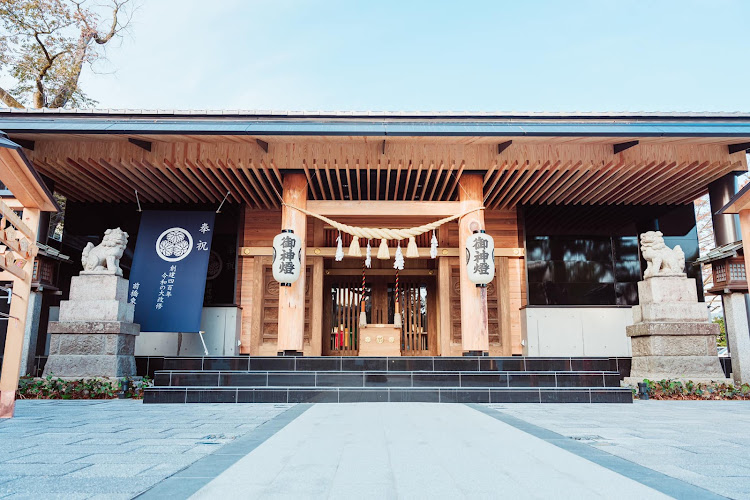
Founded back in 1624, this Shinto shrine honors Tokugawa Ieyasu, the legendary shogun who unified Japan and established the Tokugawa shogunate. The shrine was originally built in Katsuyama, Echizen (modern-day Fukui Prefecture) before being relocated to Maebashi in 1871. Today, it stands as both a spiritual haven and a cultural landmark in Gunma Prefecture.
What strikes many visitors first is how seamlessly the shrine blends the old with the new. The current structure, rebuilt with reinforced concrete and renovated in recent years, feels surprisingly modern while still preserving the solemn charm of its Edo-period origins. The bright vermilion torii gate, the crisp white walls, and the Tokugawa family crest carved into the details all whisper stories of loyalty, power, and reverence.
I remember visiting one crisp autumn afternoon—the kind of day when the air feels like clean glass—and being completely taken by the rows of bamboo lanterns that softly glowed as dusk settled. They were decorated with the Tokugawa trefoil hollyhocks, and when the lights flickered on, it felt like stepping into a dream. It’s not just a shrine; it’s a living memory of Japan’s feudal age, still breathing in the modern world.
Key Features
There’s something grounding about walking through its courtyard. You can hear the faint rustle of leaves, the soft clack of wooden prayer plaques, and maybe even the distant hum of a city that seems to slow down just outside the torii gate. I’ve always found that contrast beautiful—how a place like this can hold stillness in the middle of movement.
Best Time to Visit
If you can, plan your visit around late autumn when the maple trees around the shrine turn a fiery red. The contrast between the crimson leaves and the shrine’s clean architectural lines is simply breathtaking. Spring, too, has its charm—especially when the cherry blossoms bloom, adding a soft pink haze to the grounds.
Winter tends to be quiet, almost meditative. The crisp air and the occasional dusting of snow give the shrine a serene, almost otherworldly beauty. Summer, on the other hand, can be lively, especially during festivals or evening light-up events. Personally, I prefer visiting right before sunset, when the sky is painted gold and the shrine’s lanterns begin to glow. It’s a moment that feels suspended in time.
And if you’re into photography, those twilight hours are magic. The interplay between light and shadow brings out the shrine’s details in a way that midday sun just can’t. Bring a tripod if you can—trust me, you’ll want to capture that glow.
How to Get There
Reaching Maebashi Toshogu Shrine is relatively easy, which is one of the reasons it’s such a convenient stop for travelers exploring Gunma. From Tokyo, take the JR Joetsu or Takasaki Line to Maebashi Station. From there, it’s about a 15-minute walk or a short taxi ride to the shrine. If you’re driving, parking is available nearby, and the roads are well-marked with signs in both Japanese and English.
For those who prefer public transport, local buses also run from Maebashi Station directly to the Otemachi area where the shrine is located. I’ve always found that walking from the station, though, gives you a better feel for the city—quiet streets, cozy cafés, and a few local shops that sell traditional sweets and souvenirs. It’s a pleasant stroll, especially in the morning when the streets are calm and the air feels fresh.
If you’re traveling in a group, consider renting bicycles. Maebashi is known for being bike-friendly, and cycling to the shrine can be a fun, scenic way to explore the area.
Tips for Visiting
Visiting Maebashi Toshogu Shrine isn’t just about sightseeing—it’s about slowing down and letting the place speak to you. Here are a few tips to make the most of your visit:
- Respect the customs: Before entering, bow slightly at the torii gate, and cleanse your hands and mouth at the purification fountain. It’s a small ritual, but it sets the tone for your visit.
- Timing matters: Early mornings are ideal if you want to avoid crowds. The shrine feels more personal when it’s quiet, and you can take your time with prayers or photography.
- Check for events: The shrine occasionally hosts light-up festivals and cultural ceremonies. If you’re lucky, you might catch one of these magical evenings where the grounds shimmer with bamboo lanterns.
- Bring cash: Like most shrines, offerings and amulets are cash-only. Keep a few coins handy for omikuji (fortune slips) and ema (wooden prayer plaques).
- Accessibility: The shrine is wheelchair-friendly, and restrooms are available on-site. It’s one of the more accessible historical sites in the region.
- Combine your visit: After exploring the shrine, take a short walk to nearby cafés or local shops. Maebashi has a cozy, small-town charm that’s worth lingering in for a bit.
One thing I love about Maebashi Toshogu Shrine is how it doesn’t feel overly commercialized. Sure, it’s a tourist attraction, but it still holds onto that quiet authenticity that many popular shrines have lost over time. You can actually hear the wind move through the trees here, and if you’re lucky, you might even catch the sound of a priest performing a morning ritual inside the honden (main hall).
And here’s a small personal tip—if you’re into collecting goshuin (shrine stamps), don’t miss the special editions. The glow-in-the-dark designs they sometimes offer during festivals are one-of-a-kind and make for a memorable keepsake. I still have mine tucked in my travel notebook, glowing faintly whenever I open it at night.
Overall, Maebashi Toshogu Shrine is more than a historical site—it’s a reminder of how Japan’s past continues to live quietly within its present. Whether you come for the history, the architecture, or simply a moment of peace, this shrine rewards those who take the time to slow down and listen. And maybe that’s the real gift it offers: a space to breathe, reflect, and feel connected—to history, to nature, and maybe even to yourself.
 Real Journey Travels