
Madaba Archaeological Park
About Madaba Archaeological Park
Description
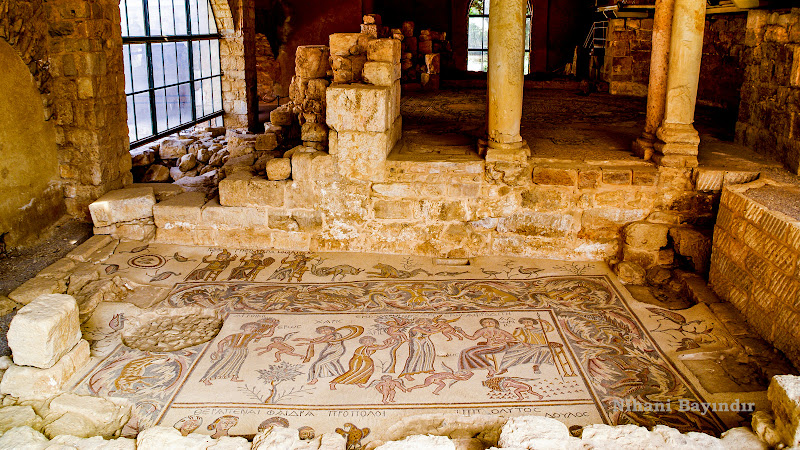
Madaba Archaeological Park is a fascinating glimpse into Jordan’s layered history, where ancient stones whisper stories from centuries past. If you’re the kind of traveler who loves peeling back time’s layers, this place will totally captivate you. The park isn’t just a dusty old site; it’s a vibrant mosaic of cultures, literally and figuratively. Here, you’ll find remnants of a Roman road that once bustled with merchants and soldiers, alongside dazzling Byzantine mosaics that have survived the ages with their intricate artistry still intact. And don’t overlook the Ottoman-era buildings that add yet another chapter to this historical tale.
Walking through the park, you get this odd mix of awe and curiosity. It’s like stepping into a time machine, but one that lets you admire some seriously impressive craftsmanship. The mosaics, especially, are a standout — they’re not just pretty pictures but detailed maps and religious scenes that tell stories about the people who lived here long ago. You might find yourself squinting to catch every tiny detail, marveling at how these ancient artists managed such precision without modern tools.
One thing that’s pretty cool is that the park is well set up for visitors. There are restrooms available, including wheelchair-accessible ones, which isn’t always a given at archaeological sites. Though there’s no restaurant on-site, the nearby town of Madaba offers plenty of spots to grab a bite after your exploration. And if you’re traveling with kids, this place can actually be quite engaging for them — those colorful mosaics and old ruins tend to spark their imagination more than you’d expect.
Key Features
- Original section of a Roman road, giving a tactile sense of ancient travel routes
- Byzantine mosaics featuring religious and geographical motifs, remarkably well-preserved
- Ottoman-era buildings that add architectural diversity and historical depth
- Wheelchair-accessible restrooms, making the site more inclusive for all visitors
- Family-friendly environment that keeps kids intrigued with hands-on history
- Clear signage and pathways that help navigate the sprawling site without getting lost
- Proximity to Madaba town, allowing easy access to local eateries and amenities
Best Time to Visit
Jordan’s summers can be scorchers, and Madaba Archaeological Park is no exception. The best time to wander through the ruins and mosaics is during the spring (March to May) or autumn (September to November) when the weather is just right — not too hot, not too chilly. Trust me, you don’t want to be sweating buckets while trying to appreciate delicate mosaic details or trudge through the park’s pathways.
Early mornings are also a sweet spot to visit. You’ll beat the crowds, enjoy softer daylight perfect for photos, and have a quieter experience that lets you soak in the atmosphere without distractions. Plus, mornings in Madaba tend to have a nice calm vibe, which makes the whole visit feel a bit more personal and reflective.
How to Get There
Getting to Madaba Archaeological Park is pretty straightforward, especially if you’re already in Jordan. The park lies in the heart of Madaba city, which is about a 30-minute drive from Amman, the capital. If you’re renting a car, the drive is simple and scenic — you’ll pass through some charming Jordanian countryside that gives you a taste of local life.
If you’re not driving, there are local buses and taxis that run regularly between Amman and Madaba. Just be prepared for a bit of a hustle when navigating local transport, but hey, that’s part of the adventure, right? Once in Madaba, the park is well-signposted and easy to find on foot or by a quick taxi ride. It’s pretty much a must-see stop on most Jordan travel itineraries, so getting there won’t be a headache.
Tips for Visiting
Alright, here’s where I get a little personal. When I first visited Madaba Archaeological Park, I underestimated how much walking I’d do — so comfy shoes are a must. The paths can be uneven in spots, and you’ll want to be able to stroll around without worrying about blisters or sore feet.
Bring water, especially if you’re visiting in the warmer months. There’s no restaurant inside the park, so staying hydrated is key. Also, consider packing a small snack if you plan to spend a good chunk of your day there, because while the nearby town has great food options, you might want to keep exploring without interruption.
Don’t rush. Seriously, this isn’t a place to just tick off your list. Take your time with the mosaics; each one is like a tiny storybook waiting to be read. And if you’re into photography, morning light is your best friend here — the colors really pop then.
Finally, if you’re visiting with kids, try to engage them by pointing out the stories behind the mosaics or imagining what life was like walking that Roman road. It makes the experience way more memorable for everyone.
Key Features
- Original section of a Roman road, giving a tactile sense of ancient travel routes
- Byzantine mosaics featuring religious and geographical motifs, remarkably well-preserved
- Ottoman-era buildings that add architectural diversity and historical depth
- Wheelchair-accessible restrooms, making the site more inclusive for all visitors
- Family-friendly environment that keeps kids intrigued with hands-on history
- Clear signage and pathways that help navigate the sprawling site without getting lost
- Proximity to Madaba town, allowing easy access to local eateries and amenities
Tours & Activities
GetYourGuide provides this tour inventory. We may earn a commission if you book through it; verify current availability, prices, and terms with the provider.
Visitor Reviews
There are no reviews yet. Be the first one to write one.
Share Your Experience
Have you visited Madaba Archaeological Park? Help other travelers by leaving a review.