
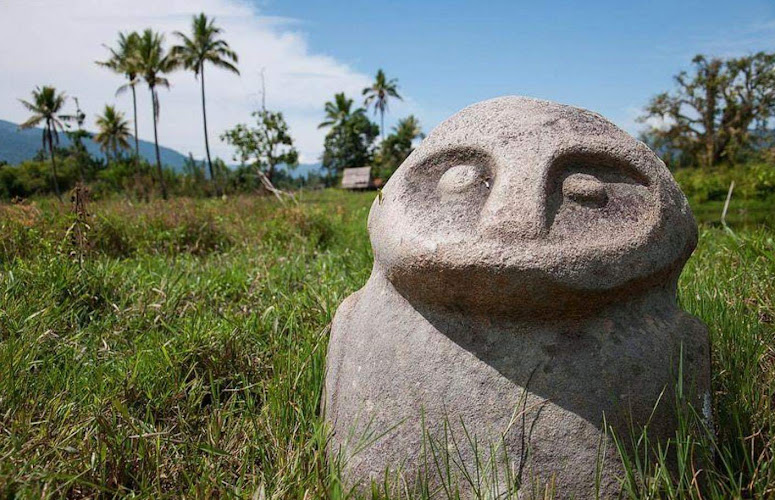
Lore Lindu National Park
About Lore Lindu National Park
Lore Lindu National Park is a well-regarded national park located in ID, Indonesia. With a rating of 4.4 out of 5, it stands out as one of the top-rated national parks in the area.
Location
You can find Lore Lindu National Park at G5GQ+2H8, Dodolo, Central Sulawesi, Indonesia.
What to Expect
Lore Lindu National Park offers visitors a chance to enjoy the natural beauty of ID, Indonesia. Whether you are looking for a peaceful walk, a picnic spot, or simply a place to relax outdoors, this national park provides a welcome green space.
Planning Your Visit
The national park is located at G5GQ+2H8, Dodolo, Central Sulawesi, Indonesia. GPS coordinates: -1.474950, 120.188942. Check locally for current opening hours and any admission fees before visiting.
More Details
Updated June 4, 2026
Lore Lindu National Park is a well-regarded national park located in ID, Indonesia. With a rating of 4.4 out of 5, it stands out as one of the top-rated national parks in the area.
Table of Contents
- Location
- What to Expect
- Planning Your Visit
- Location
- Places to Stay Near Lore Lindu National Park
- Find and Book a Tour
- Explore More Travel Guides
- Key Takeaways
- Key Details and Quick Facts
- Wildlife and Unique Experiences
- What to Expect at Lore Lindu National Park
- Visitor Planning Essentials
- Best Time to Go
- Getting There Made Easy
- Helpful Tips for Travelers
- Beyond the Park: Attractions Nearby
- Explore More in Indonesia
- Frequently Asked Questions
- What’s the most practical route to reach the park from Palu, including current road conditions and typical travel times?
- Which wildlife sightings are most realistic for first-time visitors, and what time of day gives the best chances?
- Where can travelers see the park’s megaliths, and what context helps make sense of their age, purpose, and local legends?
- Do you need a guide or permits to enter, and how park rules and fees usually work on the ground?
- What are the best base villages or simple lodges for exploring different parts of the park, and what should you book in advance?
- How can you plan a rewarding 2–3 day itinerary that balances rainforest trekking, birding, and cultural stops without rushing?
- Plan Your Trip to Lore Lindu National Park
- Nearby Places You Might Like
- Traveler Reviews for Lore Lindu National Park
- Share Your Experience
Location
You can find Lore Lindu National Park at G5GQ+2H8, Dodolo, Central Sulawesi, Indonesia.
What to Expect
Lore Lindu National Park offers visitors a chance to enjoy the natural beauty of ID, Indonesia. Whether you are looking for a peaceful walk, a picnic spot, or simply a place to relax outdoors, this national park provides a welcome green space.
Planning Your Visit
The national park is located at G5GQ+2H8, Dodolo, Central Sulawesi, Indonesia. GPS coordinates: -1.474950, 120.188942. Check locally for current opening hours and any admission fees before visiting.
Location
Places to Stay Near Lore Lindu National Park
Find and Book a Tour
Explore More Travel Guides
No reviews found! Be the first to review!
Lore Lindu National Park sits in Central Sulawesi, Indonesia—a protected rainforest full of endemic wildlife and ancient megalithic statues going back to 3000 BC.
It covers 2,180 square kilometers of lowland and montane forests, stretching from 200 to 2,610 meters in elevation, and is a UNESCO Biosphere Reserve.
If you want to spot rare Sulawesi species like the babirusa or anoa, or wander among mysterious stone statues in remote valleys, this park’s probably your kind of place.
Seventy-seven bird species live here and nowhere else, along with rare mammals like the pygmy tarsier and Tonkean macaque.
The park protects a patchwork of forest types, from steamy lowlands to chilly sub-alpine zones.
Bada, Napu, and Besoa valleys hold over 400 granite megaliths, including 30 human-shaped statues up to 4.5 meters tall.
Getting here from Palu takes about 2.5 hours by road, with the main entry at Kamarora.
The southern part of the park gets a whopping 4,000 millimeters of rain a year, so if you’re not a fan of mud, July to September is your window.
Only about 2,000 people visit the park each year, so you’ll get real wilderness—no tour bus crowds.
Key Takeaways
- Lore Lindu is home to 77 endemic bird species and rare mammals like babirusa and pygmy tarsiers—found only in Sulawesi.
- There are more than 400 ancient megaliths scattered across three valleys, with some dating back 5,000 years.
- July to September brings the best weather, and you can reach the park from Palu in a 2.5-hour drive.
Key Details and Quick Facts
Lore Lindu National Park covers 2,180 square kilometers of rainforest in Central Sulawesi, Indonesia.
It spans elevations from 200 to 2,610 meters, including both lowland and montane forest.
The park was established in 1982 and officially designated in 1999 after merging three older reserves.
Location and Access
| Detail | Information |
|---|---|
| Province | Central Sulawesi |
| Nearest City | Palu |
| Main Gateway | Kamarora (50 km from Palu, 2.5 hours drive) |
| Annual Visitors | Around 2,000 |
Climate and Best Time to Visit
Expect a tropical climate—temperatures in the lowlands run 26°C-32°C.
The southern section gets up to 4,000 mm of rain a year, especially from November to April.
July to September is your best bet for drier weather.
Recognition and Conservation Status
Lore Lindu became a UNESCO Biosphere Reserve in 1977 (officially listed in 1978).
The park’s boundaries are set by four valleys: Palolo to the north, Napu to the east, Bada to the south, and Kulawi to the west.
Archaeological Significance
More than 400 granite megaliths are scattered through the park, about 30 of them carved to look human.
Sizes range from a few centimeters to 4.5 meters tall, dating between 3000 BC and 1300 AD.
Wildlife and Unique Experiences
Lore Lindu National Park protects over 80% of Sulawesi’s endemic mammals.
It covers 2,180 square kilometers of lowland and montane forests and shelters 77 endemic bird species.
You’ll see wildlife and cultural artifacts found nowhere else.
What to Expect at Lore Lindu National Park
You can track rare mammals like the babirusa (that wild deer-pig), lowland anoa (tiny buffalo), and pygmy tarsier in their natural habitats.
Trails wind through different forest zones, from 200 up to 2,610 meters.
Birdwatchers might spot the endangered maleo, the purple-bearded bee-eater, and dozens of other Sulawesi specialties.
Wildlife is most active from July to September, when rain backs off a bit.
The Bada, Napu, and Besoa valleys are scattered with over 400 granite megaliths, including 30 human-shaped statues up to 4.5 meters tall.
You’ll also see big stone pots called Kalamba—nobody really knows what they were for.
Lake Lindu is the park’s centerpiece, home to unique fish and the Parathelphusid crab.
Getting here from Palu to Kamarora takes about 2.5 hours (50 kilometers).
Most visitors are researchers or students, since it’s a UNESCO Biosphere Reserve and not exactly on the mainstream tourist map.
Visitor Planning Essentials
If you’re planning a trip, go between April and October for the dry season.
Reach the park via Palu or Tentena, and it’s smart to arrange local guides ahead of time.
Best Time to Go
April to October is prime time—less rain, easier trekking, and better odds of spotting wildlife like the babirusa and anoa.
Rain peaks November to March, turning trails into a slog.
At higher elevations, nighttime temps can drop to 8°C, so bring warm layers and a sleeping bag, even though you’re near the equator.
Early mornings are best for birdwatching around Lake Lindu and Lake Tambing.
Getting There Made Easy
Start your journey in Palu (north) or Tentena (east).
From Tentena, daily public jeeps run to the park for Rp 100,000 per person, or you can charter a private jeep for Rp 1,000,000-1,500,000.
There’s no big entrance gate or visitor center.
You’ll need to hire a guide through villages like Wuasa or book a tour in Palu.
The park sprawls across Poso and Sigi districts, with different access points for areas like Bada Valley.
Helpful Tips for Travelers
Accommodation: Simple guesthouses (losmen) in villages like Doda and Bomba cost Rp 100,000-150,000 per person per night, usually including two meals.
What to Pack:
- Sleeping bag rated for 8°C
- Waterproof boots and rain gear
- Binoculars for those 77 endemic birds
- Cash (ATMs are rare in villages)
Guide Requirements: Most treks need a local guide, especially for cloud forest hikes and megalith sites.
Book guides through your guesthouse or when you arrive in the gateway villages.
The Anaso track and Wuasa area are top birdwatching spots—guides here know their stuff.
Beyond the Park: Attractions Nearby
After Lore Lindu, you can head to Palu up north or Tentena to the east.
Both towns serve as park gateways and have their own low-key attractions.
Explore More in Indonesia
Palu is about 90 km north, perched on Palu Bay.
It’s Central Sulawesi’s capital, with beaches, markets, and a bit of urban buzz.
You can arrange guides and transport for Lore Lindu here too.
Tentena, on Lake Poso, is quieter and sits by one of Indonesia’s deepest lakes.
There are guesthouses, restaurants, and you can take boat trips or check out nearby waterfalls.
Daily jeeps connect Tentena and the park for 100,000 rupiah per person.
Both towns have basics—ATMs, restaurants, and accommodation from budget to mid-range.
They’re good stops for supplies before heading into the wild.
Frequently Asked Questions
If you’re planning a trip to Lore Lindu, you’ll want the basics: how to get there, where to see wildlife or megaliths, what permits you need, and what to expect for accommodation.
What’s the most practical route to reach the park from Palu, including current road conditions and typical travel times?
The main route runs south from Palu to Kamarora village—about 50 kilometers, usually a 2.5-hour drive.
Roads are paved near Palu but get rougher closer to the park, so a 4WD or local tour operator is your best bet.
You’ll pass through the Kulawi Valley, which marks the park’s western edge.
Most folks use Kamarora as their entry since it’s the most direct and open year-round.
If you’re aiming for Bada Valley in the south (where the big megaliths are), it’s a longer haul—expect 6-8 hours from Palu.
During the monsoon (November to April), southern roads can get nearly impassable.
Which wildlife sightings are most realistic for first-time visitors, and what time of day gives the best chances?
You’re most likely to spot Tonkean macaques, Sulawesi hornbills, and plenty of endemic birds on early morning hikes (6-9 AM).
The park’s 77 endemic bird species fill the forest with calls, even if you don’t see them up close.
Babirusa, anoa, and tarsiers are trickier—finding them usually takes a patient guide and sometimes an overnight deeper in the park.
Pygmy tarsiers hang out above 2,000 meters.
Maleo birds nest in specific spots, and guides can lead you there for better odds.
Late afternoon (4-6 PM) is another good window for wildlife before night falls.
Where can travelers see the park’s megaliths, and what context helps make sense of their age, purpose, and local legends?
You’ll find over 400 granite megaliths in the Napu, Bada, and Besoa valleys.
Bada Valley has the most accessible and dramatic examples, including statues up to 4.5 meters tall.
About 30 are carved to look like people; others are big stone pots called Kalamba, with lids known as Tutu’na.
Archaeologists date them from 3000 BC to 1300 AD, but nobody’s sure what they were for.
Local legends vary—some say they’re ancient guardians, others think they honor ancestors.
The Pokekea Megalithic Site in Behoa Valley is a good spot for a quick visit.
Most sites are on private land or near villages, so you’ll want a guide who’s got good relationships and can help translate local stories.
Do you need a guide or permits to enter, and how park rules and fees usually work on the ground?
You need to register at a park office and pay an entrance fee, though the amount depends on the entry point and isn’t always strictly enforced at remote spots.
Foreigners generally pay more than locals, and it’s a bit of an honor system.
Guides aren’t legally required but are basically essential—there are no marked trails, the park’s huge, and guides know where to find wildlife.
Guides run about 300,000-500,000 rupiah per day, depending on how tough or long your trek is.
Camping is technically limited in some zones, and research needs permits, but enforcement is patchy.
Rangers are more focused on stopping illegal logging or farming than hassling tourists.
What are the best base villages or simple lodges for exploring different parts of the park, and what should you book in advance?
Kamarora village is the main base for exploring the northern section. It’s got a handful of basic guesthouses—think shared bathrooms, patchy electricity, and not much else.
You usually won’t need to book ahead unless it’s an Indonesian holiday, then things fill up fast. The village sits right at the park entrance, so trail access couldn’t be easier.
If you’re heading to the Bada Valley and those mysterious megaliths, Gintu village is where most people stay. Local families rent out rooms there, and it’s all pretty straightforward.
Napu Valley has a bit more going on. Villages like Wuasa offer small guesthouses, some with private rooms, which is honestly a nice change if you’ve been roughing it.
Lake Lindu doesn’t have much right on the water, but you’ll find homestays in the surrounding villages. None of these places do online bookings—yeah, it’s a bit old school.
You can try arranging a spot through a Palu-based tour operator, or just show up and hope for the best. Sometimes that’s half the adventure, right?
How can you plan a rewarding 2–3 day itinerary that balances rainforest trekking, birding, and cultural stops without rushing?
A solid three-day itinerary might kick off with a morning drive from Palu to Kamarora. Once you arrive, spend the afternoon trekking through the forest, focusing on birdwatching and just soaking up the lowland forest vibe.
Day two’s all about hiking higher into the montane forest. You’ll spot different bird species up here, and if you’re lucky, maybe catch a glimpse of some mammals too.
On the third day, head out to either the Bada or Napu Valley. Give yourself 3-4 hours to wander the megalith sites and nearby villages, then make your way back to Palu.
If you’re short on time and only have two days, just skip the highland trek. Instead, pair a forest walk near Kamarora with a quick visit to one of the megalith valleys.
Honestly, starting at dawn is your best bet for wildlife—those early hours really make a difference. Just be aware that the drive between the northern entrance and southern valleys eats up most of a day, so packing everything into 2-3 days means you’ll spend a lot of time in the car. It’s a bit of a trade-off, but that’s the reality.
Plan Your Trip to Lore Lindu National Park
Traveler Reviews for Lore Lindu National Park
There are no reviews yet. Be the first one to write one.
Have you visited Lore Lindu National Park? Help other travelers by sharing your review.
You Might Also Like
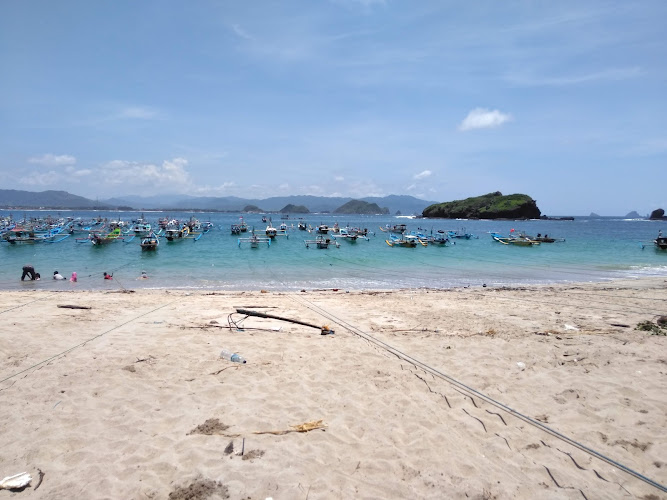
Papuma Beach
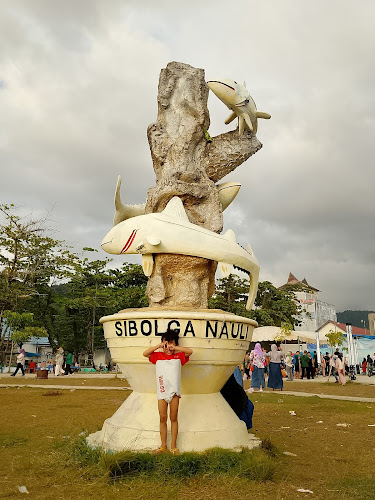
Pantai Wisata Indah Sibolga
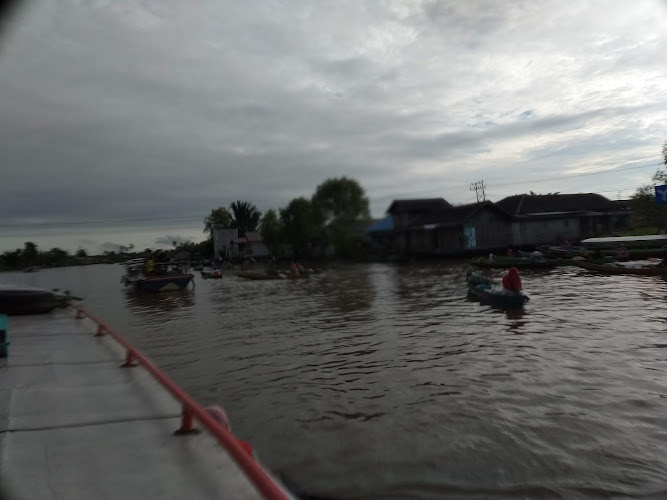
Martapura River
Find Accommodations Nearby
Recommended Tours & Activities
Visitor Reviews
There are no reviews yet. Be the first one to write one.
Share Your Experience
Have you visited Lore Lindu National Park? Help other travelers by leaving a review.