Description
This isn’t your average park, where folks in white sneakers tiptoe down paved lanes and gawk at topiary. Oh no. Lokobe’s an old patch of rainforest clinging to the southern edge of Nosy Be, protecting Madagascar’s last reserves of ancient Sambirano forest. I remember my first hike there—ankle-deep in loam, pausing while a chameleon that was about the size of my thumb zipped across the trail and vanished into the drippy tangle. And the sounds! There’s the hollow tock-tock of crested couas, splashes from tree frogs, that background mossy hush.
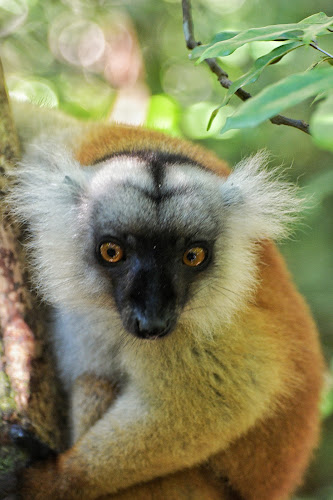
Lokobe is small on the map but huge on biodiversity. It’s a goldmine for animal lovers, whether your passion’s reptiles, primates, or the endless parade of insects and birds. The real crowd-pullers are the endangered black lemurs, tree boas, and ridiculously photogenic leaf-tailed geckos, but you’ll also meet nifty creatures like tenrecs (they’re sort of like hedgehogs, only wilder). It’s got a wild, humid soul—it’s not lorded over by shiny visitor centers or snack bars. What you get is lush, muddy, and, in some corners, stubbornly impenetrable. And that’s Lokobe’s charm: it feels raw, as if the place has never quite been tamed for human convenience.
Don’t come expecting a gentle stroll or a sanitized wildlife show. Come for real adventure. Come if you’re okay getting a bit sweaty, brushing off weird plants, and feeling part of the forest instead of just observing it from a distance.
Key Features
- Rare Wildlife Encounters: Spot legendary black lemurs, slow-moving dwarf lemurs, boisterous chameleons, tiny frogs, and utterly bizarre insects. The odds are high you’ll see a couple critters you never imagined even existed.
- Ancient Sambirano Forest: Lokobe holds the last untouched Sambirano forest on Nosy Be, with towering hardwoods, dense understory, and more shades of green than you’d think possible. It smells like earth after rain, if you ask me.
- Guided Hikes: Local guides (who know the trails, the calls, the best hiding places) show you the heart of the reserve. Trust them—they’re walking encyclopedias of all things creeping and crawling.
- Kid-Friendly Activities: Yep, you can bring young explorers! The main trails are safe for kids, and guides are great at getting little ones excited about leaf bugs and tree roots. Just expect to carry the occasional tired-out hiker.
- Photography Paradise: Early morning, there’s mist catching in the canopy and monkeys leaping from branch to branch. Even a casual snapshot looks like it should be on a glossy magazine cover.
- Raw Jungle Experience: No roads run through the reserve; it’s all footpaths and dugout canoes. There’s a palpable sense of wildness that reminded me, honestly, of childhood adventures gone right—or slightly wrong—depending on your tolerance for mud.
- Conservation Focus: Visiting helps preserve habitats for threatened species and supports local livelihoods—a good way to leave a positive footprint and not just more shoe prints in the mud.
Best Time to Visit
If you ask me—thankfully, no one’s tried to drag me there during cyclone season—the standout months are from May through October. Those are the drier, breezier times when the trails firm up, the river levels drop a bit, and you’re less likely to slide down a bank on your backside.
Why not December to March? Simple: rain. Heavy, relentless, and sometimes dramatic enough to leave whole stretches of forest temporarily unreachable. Some folks get a kick out of thunderous storms and sticky air, but most travelers want easier hiking, less fuss, and a better shot at seeing wildlife. (Lemurs, as it turns out, are wimps about bad weather. Can’t say I blame them.)
Personally, late June to July is my sweet spot—cool enough for comfortable rambles, the forest’s alive, and kids (if they’re along) are still on their best behavior before holiday sugar highs kick in. That said, shoulder seasons can offer quieter trails—less foot traffic, more birdcalls, and extra room for patience if, say, a group of brown lemurs blocks the trail and refuses to move. Always a treat, honestly.
How to Get There
Getting to Lokobe Nature Reserve is, I’ll be straight, a bit of an adventure in its own right. It’s one of those “the journey is part of the experience” situations, where the route is nearly as memorable as the rainforest itself.
Here’s the play-by-play:
- Reach Nosy Be: First, fly or ferry your way to Nosy Be. This island off Madagascar’s northwest coast runs flights from Antananarivo and a handful of international spots. Ferries are less comfy but undeniably add to the story you’ll tell later.
- Head to Ambatozavavy Village: From Hell-Ville (the main town with the punchy name—don’t worry, it’s friendly), grab a taxi or minibus to Ambatozavavy. The drive’s quick, bumpy, and often dotted with folks selling sweet lychees by the side of the road.
- Canoe to the Park: There are no roads into Lokobe. Part of the magic! You hop into a wooden pirogue (canoe), paddled by locals across the calm bay to the park’s entrance at Ampasipohy. The scenery here—water shimmering, mangroves clinging to banks, the forest looming closer—is fantastic (pro tip: water shoes are a good idea for slippery entries and exits).
- Enter the Reserve: At the village, meet your guide, sort your tickets, and off you go into the rainforest. Simple, a little rustic, exactly the right mood-setter for a real nature reserve.
If “rustic” gives you pause, just remember: the best adventures often begin where the pavement ends.
Tips for Visiting
A trip to Lokobe is easier and a heck of a lot more fun when you’ve got the right tips tucked away. Trust me, I’ve made the rookie errors so you don’t have to.
- Book Ahead: Lokobe’s popularity is really surging, especially in dry season. Secure your spot with a guide and snag your ticket in advance to avoid that “Oh, it’s full—guess we’re turning back now” moment. No one wants that after making the trek!
- Footwear: Leave your sandals at the hotel. Sturdy, grippy shoes are lifesavers (and, not to overdramatize, sometimes the difference between upright hiking and a muddy sit-down you’ll laugh about later). I learned this the damp way.
- Pack Smart: Lightweight rain jacket, insect repellent, water, snacks, and sunscreen. You’ll be sweating under the canopy, but even a filtered shaft of sun can torch your neck. And don’t underestimate the bloodthirst of tropical mosquitoes—seriously.
- Guide Up: The local guides are not just handy—they’re essential. They’ll spot tiny creatures you’d walk right past, and often know just where the hard-to-find species hang out. Plus, many speak several languages. Give them a chance to share stories; you’ll walk away with much more than just wildlife photos.
- Photography: Be ready for changing light—forest canopies mess with exposure big time. Also, black lemurs move fast, so adjust your settings in advance. But sometimes the best memories aren’t captured on a screen anyway.
- Family Friendly: Lokobe is honestly one of the rare places I’d recommend for both hardcore wildlife geeks and families with curious kids (I’ve seen eight-year-olds get more jazzed about a stick insect than any zoo). Just pace yourselves and bring snacks for the little ones.
- Respect the Rules: This is real rainforest—don’t pocket “souvenirs” or wander off without your guide. Lokobe’s ecosystem