About Llandaff Cathedral

Description

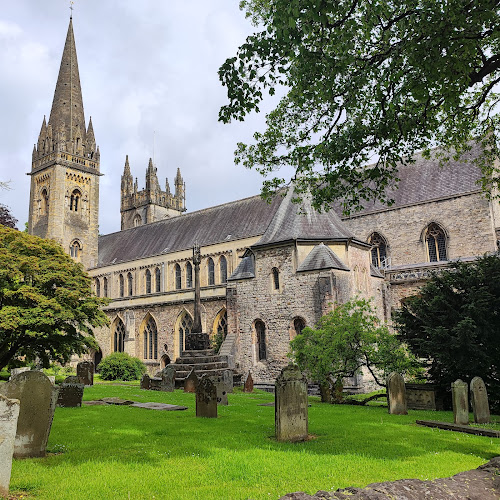
Llandaff Cathedral is one of those places that quietly gets under your skin. It’s not flashy. It doesn’t shout for attention. But give it half an hour of your time, and it kind of settles in, like a tune you keep humming later without realising. Sitting in the old village of Llandaff, just outside Cardiff’s busier centre, the cathedral feels older than the city around it. Which, frankly, it is.

This medieval cathedral has been a place of Christian worship for well over a thousand years. Parts of the site trace back to the 10th century, and you can feel that depth in the stone floors, worn smooth by centuries of footsteps. When the doors close behind you, the outside world fades fast. And yes, even if you’re not religious, there’s something grounding about the space. I’m not particularly churchy myself, but I’ve sat inside Llandaff Cathedral more than once just to think, or honestly, to warm up on a rainy Welsh afternoon.

The building has been through a lot. Wars, damage, rebuilds, redesigns. And it shows, but in a good way. Different architectural styles sit side by side without feeling messy. Norman bones, Gothic flourishes, and later Victorian restorations all coexisting, like layers of history refusing to be smoothed over. You don’t need a guidebook to appreciate that. Just look up, then down, then over there, and you’ll start spotting the changes.

One of the cathedral’s quieter treasures is its 10th-century Celtic cross. It’s not huge or showy, but it’s old. Really old. The kind of old that makes you instinctively lower your voice. And then there’s the Rossetti triptych, painted by Dante Gabriel Rossetti. It’s striking in a way that catches you off guard, especially if you weren’t expecting Pre-Raphaelite art in a Welsh cathedral. I remember the first time I saw it, standing there longer than planned, slightly late for lunch, but not caring.

Llandaff Cathedral also works as a living place, not a museum frozen in time. Services still happen. Choir practice echoes through the nave. Concerts are held here too, and the acoustics are something else. If you’re lucky enough to catch a performance, you’ll understand why people rave about the sound. Music seems to hang in the air longer than usual, like it doesn’t want to leave.

Key Features

  • Medieval cathedral with over 1,000 years of religious history
  • 10th-century Celtic cross, one of the oldest artifacts on site
  • Triptych painting by Dante Gabriel Rossetti, emotionally intense and unexpected
  • Striking mix of Norman, Gothic, and Victorian architectural elements
  • Active place of worship with regular services and choir rehearsals
  • Renowned acoustics, often used for classical concerts and recitals
  • Peaceful green surroundings that feel separate from the city bustle
  • Wheelchair accessible entrance, restrooms, and parking facilities
  • Onsite amenities including restrooms for visitors

Best Time to Visit

The best time to visit Llandaff Cathedral depends on what you’re after. If you want quiet reflection and space to wander without bumping into tour groups, weekday mornings are ideal. I’ve popped in on a Tuesday around 10am and had entire sections almost to myself. It’s rare, and it feels like a gift.

Spring and early summer are especially lovely. The surrounding greenery wakes up, and light pours through the cathedral windows in a way that feels intentional, like it was planned centuries ago just for you. Autumn has its own charm too, especially on overcast days when the interior feels even more atmospheric. Winter visits can be cold, not gonna lie, but there’s something honest about that. Bring a coat and lean into it.

If music interests you, check the cathedral’s concert schedule before planning your visit. Evening performances are popular, and for good reason. Hearing choral or classical music in this space adds a whole other layer to the experience. But if crowds aren’t your thing, avoid major religious holidays when attendance spikes. It’s still meaningful, just busier.

How to Get There

Getting to Llandaff Cathedral is surprisingly easy, especially if you’re staying in Cardiff. The area feels village-like, but it’s well connected. Trains from Cardiff Central to Llandaff Station run regularly, and from there it’s a pleasant walk. You’ll pass residential streets, leafy paths, and suddenly, there it is. No dramatic reveal, just a steady sense that you’re heading somewhere important.

Buses also serve the area well, and if you’re driving, there is accessible parking available. That said, I personally prefer public transport for this visit. It slows you down a bit, gets you in the right mindset. Walking that last stretch feels like a transition, mentally and physically.

For cyclists, the route along the River Taff is a favorite. It’s flat, scenic, and honestly one of the nicer urban cycle paths I’ve used in the UK. Lock up nearby and wander over. You won’t regret it.

Tips for Visiting

First tip: give yourself more time than you think you’ll need. A quick 20-minute visit can turn into an hour without trying. There’s always one more corner, one more detail, one more bench to sit on for a bit.

Second, dress warmly. Even in summer, stone buildings have a chill. I’ve learned this the hard way. Comfortable shoes help too, since you’ll be on your feet a fair bit, and some floors are uneven. That’s part of the charm, but still.

Photography is usually allowed, but be respectful. If there’s a service or rehearsal happening, put the camera away. Trust me, being present is better than getting the perfect shot. And sometimes, the memory sticks harder than the photo ever would.

If you’re visiting with accessibility needs, the cathedral is well prepared. The entrance, parking, and restrooms are wheelchair accessible, which makes a big difference for many travelers. It’s reassuring to see such an old building adapted thoughtfully.

And finally, take a moment outside before you leave. Sit on a bench, watch locals walk their dogs, listen to the bells if you catch them. Llandaff Cathedral isn’t just about what’s inside the walls. It’s about how it fits into everyday life around it. That balance, between sacred and ordinary, is what keeps people coming back. Including me.

Key Features

  • Medieval cathedral with over 1,000 years of religious history
  • 10th-century Celtic cross, one of the oldest artifacts on site
  • Triptych painting by Dante Gabriel Rossetti, emotionally intense and unexpected
  • Striking mix of Norman, Gothic, and Victorian architectural elements
  • Active place of worship with regular services and choir rehearsals
  • Renowned acoustics, often used for classical concerts and recitals
  • Peaceful green surroundings that feel separate from the city bustle
  • Wheelchair accessible entrance, restrooms, and parking facilities

More Details

Updated December 31, 2025

Description

Llandaff Cathedral is one of those places that quietly gets under your skin. It’s not flashy. It doesn’t shout for attention. But give it half an hour of your time, and it kind of settles in, like a tune you keep humming later without realising. Sitting in the old village of Llandaff, just outside Cardiff’s busier centre, the cathedral feels older than the city around it. Which, frankly, it is.

This medieval cathedral has been a place of Christian worship for well over a thousand years. Parts of the site trace back to the 10th century, and you can feel that depth in the stone floors, worn smooth by centuries of footsteps. When the doors close behind you, the outside world fades fast. And yes, even if you’re not religious, there’s something grounding about the space. I’m not particularly churchy myself, but I’ve sat inside Llandaff Cathedral more than once just to think, or honestly, to warm up on a rainy Welsh afternoon.

The building has been through a lot. Wars, damage, rebuilds, redesigns. And it shows, but in a good way. Different architectural styles sit side by side without feeling messy. Norman bones, Gothic flourishes, and later Victorian restorations all coexisting, like layers of history refusing to be smoothed over. You don’t need a guidebook to appreciate that. Just look up, then down, then over there, and you’ll start spotting the changes.

One of the cathedral’s quieter treasures is its 10th-century Celtic cross. It’s not huge or showy, but it’s old. Really old. The kind of old that makes you instinctively lower your voice. And then there’s the Rossetti triptych, painted by Dante Gabriel Rossetti. It’s striking in a way that catches you off guard, especially if you weren’t expecting Pre-Raphaelite art in a Welsh cathedral. I remember the first time I saw it, standing there longer than planned, slightly late for lunch, but not caring.

Llandaff Cathedral also works as a living place, not a museum frozen in time. Services still happen. Choir practice echoes through the nave. Concerts are held here too, and the acoustics are something else. If you’re lucky enough to catch a performance, you’ll understand why people rave about the sound. Music seems to hang in the air longer than usual, like it doesn’t want to leave.

Key Features

  • Medieval cathedral with over 1,000 years of religious history
  • 10th-century Celtic cross, one of the oldest artifacts on site
  • Triptych painting by Dante Gabriel Rossetti, emotionally intense and unexpected
  • Striking mix of Norman, Gothic, and Victorian architectural elements
  • Active place of worship with regular services and choir rehearsals
  • Renowned acoustics, often used for classical concerts and recitals
  • Peaceful green surroundings that feel separate from the city bustle
  • Wheelchair accessible entrance, restrooms, and parking facilities
  • Onsite amenities including restrooms for visitors

Best Time to Visit

The best time to visit Llandaff Cathedral depends on what you’re after. If you want quiet reflection and space to wander without bumping into tour groups, weekday mornings are ideal. I’ve popped in on a Tuesday around 10am and had entire sections almost to myself. It’s rare, and it feels like a gift.

Spring and early summer are especially lovely. The surrounding greenery wakes up, and light pours through the cathedral windows in a way that feels intentional, like it was planned centuries ago just for you. Autumn has its own charm too, especially on overcast days when the interior feels even more atmospheric. Winter visits can be cold, not gonna lie, but there’s something honest about that. Bring a coat and lean into it.

If music interests you, check the cathedral’s concert schedule before planning your visit. Evening performances are popular, and for good reason. Hearing choral or classical music in this space adds a whole other layer to the experience. But if crowds aren’t your thing, avoid major religious holidays when attendance spikes. It’s still meaningful, just busier.

How to Get There

Getting to Llandaff Cathedral is surprisingly easy, especially if you’re staying in Cardiff. The area feels village-like, but it’s well connected. Trains from Cardiff Central to Llandaff Station run regularly, and from there it’s a pleasant walk. You’ll pass residential streets, leafy paths, and suddenly, there it is. No dramatic reveal, just a steady sense that you’re heading somewhere important.

Buses also serve the area well, and if you’re driving, there is accessible parking available. That said, I personally prefer public transport for this visit. It slows you down a bit, gets you in the right mindset. Walking that last stretch feels like a transition, mentally and physically.

For cyclists, the route along the River Taff is a favorite. It’s flat, scenic, and honestly one of the nicer urban cycle paths I’ve used in the UK. Lock up nearby and wander over. You won’t regret it.

Tips for Visiting

First tip: give yourself more time than you think you’ll need. A quick 20-minute visit can turn into an hour without trying. There’s always one more corner, one more detail, one more bench to sit on for a bit.

Second, dress warmly. Even in summer, stone buildings have a chill. I’ve learned this the hard way. Comfortable shoes help too, since you’ll be on your feet a fair bit, and some floors are uneven. That’s part of the charm, but still.

Photography is usually allowed, but be respectful. If there’s a service or rehearsal happening, put the camera away. Trust me, being present is better than getting the perfect shot. And sometimes, the memory sticks harder than the photo ever would.

If you’re visiting with accessibility needs, the cathedral is well prepared. The entrance, parking, and restrooms are wheelchair accessible, which makes a big difference for many travelers. It’s reassuring to see such an old building adapted thoughtfully.

And finally, take a moment outside before you leave. Sit on a bench, watch locals walk their dogs, listen to the bells if you catch them. Llandaff Cathedral isn’t just about what’s inside the walls. It’s about how it fits into everyday life around it. That balance, between sacred and ordinary, is what keeps people coming back. Including me.

Key Highlights

  • Medieval cathedral with over 1,000 years of religious history
  • 10th-century Celtic cross, one of the oldest artifacts on site
  • Triptych painting by Dante Gabriel Rossetti, emotionally intense and unexpected
  • Striking mix of Norman, Gothic, and Victorian architectural elements
  • Active place of worship with regular services and choir rehearsals
  • Renowned acoustics, often used for classical concerts and recitals
  • Peaceful green surroundings that feel separate from the city bustle
  • Wheelchair accessible entrance, restrooms, and parking facilities

Location

Places to Stay Near Llandaff Cathedral

Find and Book a Tour

Explore More Travel Guides

No reviews found! Be the first to review!

Traveler Reviews for Llandaff Cathedral

There are no reviews yet. Be the first one to write one.

Share Your Experience

Have you visited Llandaff Cathedral? Help other travelers by sharing your review.

Find Accommodations Nearby

Recommended Tours & Activities

Visitor Reviews

There are no reviews yet. Be the first one to write one.

Share Your Experience

Have you visited Llandaff Cathedral? Help other travelers by leaving a review.