

Leeds Industrial Museum at Armley Mills
About Leeds Industrial Museum at Armley Mills
Description
Leeds Industrial Museum at Armley Mills is one of those places that really makes you pause and think about how much the world has changed in just a couple of centuries. Once the largest woolen mill in the world, this historic site now stands as a museum that tells the story of Yorkshire’s industrial past. Walking through the old mill buildings, you can almost hear the clatter of looms and the hum of machinery that once powered Britain’s textile industry. The air feels thick with history, and if you’ve ever wondered what life was like during the height of the Industrial Revolution, this museum paints a vivid picture.
It’s not a glossy, modern attraction with flashy tech displays, and honestly, that’s part of its charm. The rough edges, the creaking floors, and the smell of old stone and oil make it feel authentic. Some visitors fall head over heels for its raw atmosphere, while others might find it a little too old-fashioned. Personally, I think that’s what makes it stand out—you’re not just looking at history, you’re standing inside it.
The museum covers a wide range of themes, from textiles and printing to railways and early film. There’s even a working 1920s cinema tucked inside, which is a quirky surprise. Families often enjoy it because kids can see (and sometimes touch) machinery that looks like it belongs in a steampunk novel. And for adults, it’s a chance to connect with the story of Leeds and its role in shaping the modern world.
Key Features
- Historic woolen mill buildings dating back to the 18th century
- Extensive textile machinery collections, including working looms
- Railway exhibits and industrial engineering displays
- Old-fashioned cinema showing films from the 1920s
- Hands-on exhibits suitable for children and families
- Wheelchair accessible entrances, restrooms, and parking
- Free parking available onsite
Best Time to Visit
If you’re planning a trip, weekdays tend to be quieter, which means you can wander at your own pace without bumping into too many school groups. Weekends can be busier, especially when special events or demonstrations are running, but that can actually add to the experience. I once visited during a heritage event where they fired up some of the old machinery—it was noisy, a bit chaotic, and absolutely brilliant.
The museum is indoors, so it’s a solid choice for a rainy day in Leeds (and let’s be honest, Yorkshire gets its fair share of those). But on a sunny day, the canal-side setting is also lovely for a short stroll before or after your visit. Spring and autumn are my personal favorites, when the weather is mild and the area feels peaceful.
How to Get There
Getting to the museum is pretty straightforward. If you’re coming from central Leeds, it’s just a short drive or bus ride away. Public transport links are decent, with local buses stopping within walking distance. For those who prefer to drive, there’s free parking on site, which is a rare treat in a city like Leeds.
If you’re up for a bit of a walk, you can even follow the canal towpath from the city center—it takes around 30 to 40 minutes on foot. It’s a surprisingly scenic route, and you’ll arrive at the museum already feeling like you’ve stepped back in time.
Tips for Visiting
First off, wear comfortable shoes. The museum is spread across several old mill buildings, and you’ll be on your feet for a while. Some of the floors are uneven, so it’s best not to wear your fanciest footwear.
Plan at least two hours if you want to see everything without rushing. If you’re someone who likes to read every information board (guilty as charged), you could easily spend half a day here. Families with kids might move more quickly, but the hands-on displays will slow them down in a good way.
Don’t expect a café or restaurant inside, because there isn’t one. I’ve learned the hard way that bringing a snack or planning a meal nearby is a good idea. There are restrooms available, though, and the staff are usually very friendly and happy to answer questions.
One last tip: keep an eye out for special exhibitions or events. Sometimes they run workshops, film screenings, or machinery demonstrations that really bring the place to life. Those moments are the ones you’ll remember long after your visit.
All in all, Leeds Industrial Museum isn’t the kind of attraction that tries to dazzle you with modern polish. Instead, it invites you to slow down, explore, and imagine what life was like when Leeds was at the beating heart of the industrial world. If you’re curious about history, or just love wandering through atmospheric old buildings, it’s well worth a visit.
Key Features
- Historic woolen mill buildings dating back to the 18th century
- Extensive textile machinery collections, including working looms
- Railway exhibits and industrial engineering displays
- Old-fashioned cinema showing films from the 1920s
- Hands-on exhibits suitable for children and families
- Wheelchair accessible entrances, restrooms, and parking
- Free parking available onsite
You Might Also Like
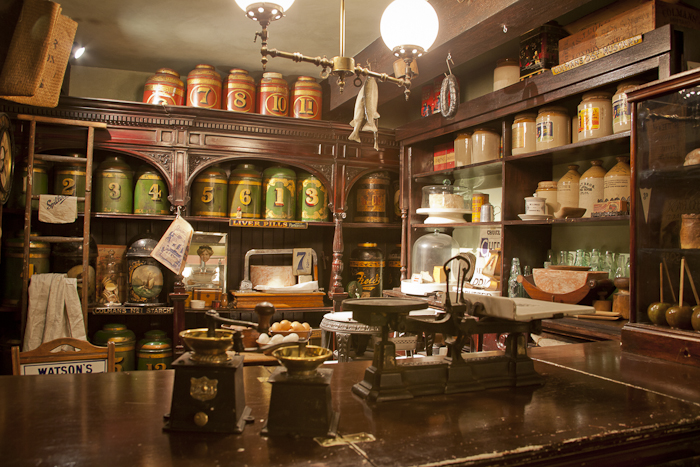
Abbey House Museum

Adel Dam Nature Reserve
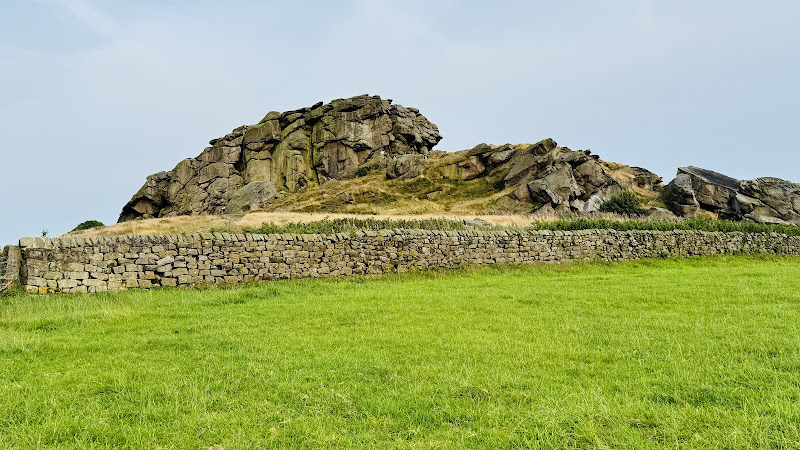
Almscliffe Crag
Tours & Activities
GetYourGuide provides this tour inventory. We may earn a commission if you book through it; verify current availability, prices, and terms with the provider.
Visitor Reviews
There are no reviews yet. Be the first one to write one.
Share Your Experience
Have you visited Leeds Industrial Museum at Armley Mills? Help other travelers by leaving a review.