History museum 4.5 Jamnagar, IndiaCommunity Guide

Lakhota Palace and Museum

F379+VV7, Government Colony, Jamnagar, Gujarat 361005, Indien

Lakhota Palace and Museum
12,978 Photos

About & Overview

The Lakhota Palace and Museum stands as one of those unexpected architectural marvels that makes you stop and wonder how such a place came to exist.

Highlights & Key Features

  • A genuine island fortress accessible via causeway, providing dramatic approaches and incredible photo opportunities from multiple angles
  • Extensive collection of historical weapons including swords, shields, and traditional armor that showcase medieval warfare techniques
  • Stone inscriptions and carvings that offer insights into ancient scripts and communication methods used in the region
  • Architectural elements including defensive battlements, watch towers, and thick stone walls that demonstrate military engineering of the era
  • Complete wheelchair accessibility throughout the facility, including entrance ramps, parking, and restroom facilities
  • On-site restaurant where visitors can grab refreshments without having to leave the premises
  • Collection of pottery and household items that provide a glimpse into daily life during different historical periods
  • Sculpture gallery featuring religious and cultural artifacts representing various dynasties and ruling periods

Visitor Guide & Information

Description

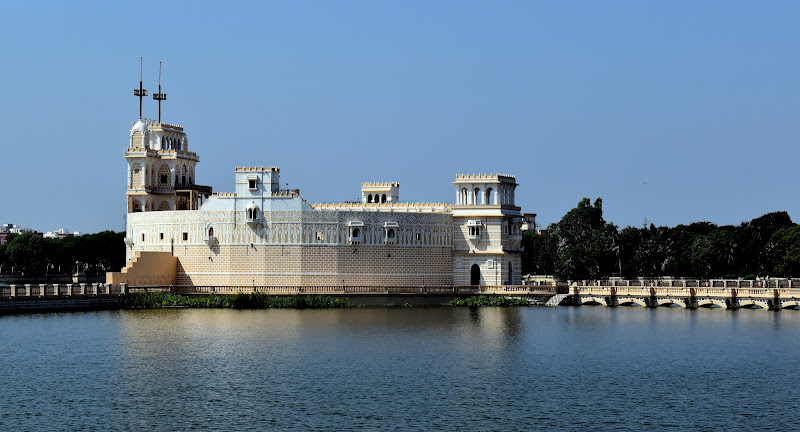
Walking toward the structure, you’ll cross over a narrow causeway that connects the mainland to this island fortress, and there’s something almost magical about approaching a museum this way. The reflection of the palace in the still waters creates a mirror image that photographers absolutely adore, especially during the golden hours of early morning or late afternoon.

Inside, the museum houses an impressive collection of artifacts that showcase the rich cultural heritage of the region. You’ll find everything from ancient weaponry and armor to sculptures, pottery, and inscriptions that date back centuries. The palace architecture itself deserves as much attention as the exhibits – the sturdy walls, arched doorways, and strategic vantage points all hint at its military past.

What strikes most visitors is how this place manages to be both a historical monument and an active museum without feeling forced or artificial. The antiquities on display aren’t just randomly placed objects behind glass cases. They’re arranged in a way that tells stories about the people who lived here, fought here, and eventually turned this defensive structure into something that celebrates rather than protects.

The setting in the middle of the lake isn’t just for show either. It creates a unique microclimate around the palace, and the surrounding waters attract various bird species, making it an unexpectedly pleasant spot for nature enthusiasts too. And let’s be real – there aren’t many museums where you can take a break from viewing artifacts to watch migratory birds gliding over the water.

Key Features

The Lakhota Palace and Museum offers several distinctive features that set it apart from your typical history museum experience:

Best Time to Visit

Timing your visit to Lakhota Palace can make a significant difference in your experience. The museum itself is open year-round, but the conditions around it change dramatically with the seasons.

Winter months from November through February offer the most comfortable temperatures for exploring, especially if you’re not accustomed to heat. The cool weather makes walking around the exterior and crossing the causeway genuinely pleasant. You might even catch some migratory birds that stop by the lake during this period.

Monsoon season brings its own charm, though you’ll need to be prepared for occasional showers. The lake fills up nicely during these months, and the palace looks particularly striking when clouds gather overhead. But I’d suggest avoiding heavy rain days because the causeway can get slippery and your museum experience might be cut short by weather.

Summer visits require some planning. The heat can be intense, especially in May and early June. If you’re visiting during these months, aim for early morning hours right when the museum opens. Not only will you avoid the worst of the heat, but you’ll also beat the crowds that tend to arrive later in the day.

Weekdays generally see fewer visitors compared to weekends, which is worth considering if you prefer a quieter, more contemplative museum experience. School holidays and major festivals can bring larger crowds, particularly families with children.

Sunset visits have become increasingly popular, though you’ll want to check the museum’s closing times. The palace silhouetted against the evening sky creates memorable views, and the temperature drops to more comfortable levels.

How to Get There

Reaching Lakhota Palace is relatively straightforward, though your options depend on where you’re starting from and your preferred mode of transport.

Auto-rickshaws are probably the most common way visitors reach the museum. They’re affordable, readily available throughout the city, and drivers generally know the location well. Just mention Lakhota Palace or Lakhota Museum, and you shouldn’t have any confusion.

If you’re driving yourself or hiring a private vehicle, there’s designated parking available near the causeway entrance. The parking area is wheelchair accessible, which makes things considerably easier for visitors with mobility concerns. During peak hours and weekends, parking can fill up, so arriving earlier gives you more options.

Local buses serve the area, though you might need to walk a short distance from the nearest bus stop to reach the causeway. This option works well for budget-conscious travelers who don’t mind a bit of walking.

For those staying in the city center, the palace isn’t terribly far, and some visitors actually enjoy the walk, especially during cooler months. The approach on foot lets you appreciate the surrounding area and get a sense of the neighborhood.

Cycling is another possibility if you’re comfortable navigating local traffic. The relatively flat terrain makes it manageable, and you can secure your bicycle near the parking area.

Taxi services and ride-sharing apps function well in the area, giving you door-to-door convenience. This option makes sense if you’re traveling with elderly family members or young children.

Tips for Visiting

After spending time at Lakhota Palace, I’ve picked up some practical insights that might improve your visit.

Wear comfortable walking shoes. The museum involves quite a bit of walking, including stairs if you want to reach the upper levels and viewing points. Those stone floors can be hard on your feet after a while.

Bring water, especially during warmer months. While there’s a restaurant on-site, having your own water bottle ensures you stay hydrated while exploring the exhibits. The restaurant handles basic refreshments well enough, but it’s not a full-service dining establishment.

Photography is generally permitted, but check current policies when you arrive. The palace exterior and lake views offer fantastic photo opportunities, so make sure your phone or camera is charged. Early morning and late afternoon light works best for exterior shots.

Allocate at least 90 minutes to two hours for a thorough visit. Rushing through won’t do justice to the collection, and you’ll want time to appreciate both the artifacts and the architecture. Some visitors spend three hours or more, especially history enthusiasts.

The museum provides information in multiple languages for major exhibits, but having a basic understanding of regional history enhances the experience significantly. Consider reading up briefly before your visit.

Facilities including restrooms are available and maintained reasonably well. Families with young children will appreciate this, as bathroom breaks are inevitable during longer visits.

The causeway can get windy, particularly during certain seasons. A light jacket or scarf isn’t a bad idea, even on otherwise warm days.

If you’re visiting with children, the weapon collection usually captures their attention most effectively. The swords and armor tend to spark imagination and keep younger visitors engaged with history.

Accessibility features are genuinely functional here, not just token gestures. Wheelchair users can navigate most of the museum comfortably, though some upper viewing areas might present challenges.

Avoid visiting during midday hours in summer unless you have high heat tolerance. The combination of sun reflecting off the lake and limited shade on the causeway makes for uncomfortable conditions.

Consider combining your visit with a walk around the lake perimeter. The area surrounding Lakhota Lake offers pleasant scenery and local life observations that complement the museum experience.

Lastly, manage your expectations about the on-site restaurant. It serves its purpose for basic snacks and drinks, but serious meals are better sought elsewhere in the city after your visit.

Community & Insider Notes

Last modified August 17, 2026

Description

The Lakhota Palace and Museum stands as one of those unexpected architectural marvels that makes you stop and wonder how such a place came to exist. Built right in the middle of Lakhota Lake, this former fortress has transformed itself into a repository of history that draws visitors from across the globe. The palace itself tells a story of strategic military planning – because honestly, who builds a fortress in the center of a lake unless they’re really serious about defense?

Walking toward the structure, you’ll cross over a narrow causeway that connects the mainland to this island fortress, and there’s something almost magical about approaching a museum this way. The reflection of the palace in the still waters creates a mirror image that photographers absolutely adore, especially during the golden hours of early morning or late afternoon.

Inside, the museum houses an impressive collection of artifacts that showcase the rich cultural heritage of the region. You’ll find everything from ancient weaponry and armor to sculptures, pottery, and inscriptions that date back centuries. The palace architecture itself deserves as much attention as the exhibits – the sturdy walls, arched doorways, and strategic vantage points all hint at its military past.

What strikes most visitors is how this place manages to be both a historical monument and an active museum without feeling forced or artificial. The antiquities on display aren’t just randomly placed objects behind glass cases. They’re arranged in a way that tells stories about the people who lived here, fought here, and eventually turned this defensive structure into something that celebrates rather than protects.

The setting in the middle of the lake isn’t just for show either. It creates a unique microclimate around the palace, and the surrounding waters attract various bird species, making it an unexpectedly pleasant spot for nature enthusiasts too. And let’s be real – there aren’t many museums where you can take a break from viewing artifacts to watch migratory birds gliding over the water.

Key Features

The Lakhota Palace and Museum offers several distinctive features that set it apart from your typical history museum experience:

  • A genuine island fortress accessible via causeway, providing dramatic approaches and incredible photo opportunities from multiple angles
  • Extensive collection of historical weapons including swords, shields, and traditional armor that showcase medieval warfare techniques
  • Stone inscriptions and carvings that offer insights into ancient scripts and communication methods used in the region
  • Architectural elements including defensive battlements, watch towers, and thick stone walls that demonstrate military engineering of the era
  • Complete wheelchair accessibility throughout the facility, including entrance ramps, parking, and restroom facilities
  • On-site restaurant where visitors can grab refreshments without having to leave the premises
  • Collection of pottery and household items that provide a glimpse into daily life during different historical periods
  • Sculpture gallery featuring religious and cultural artifacts representing various dynasties and ruling periods
  • Strategic viewing points from the upper levels offering panoramic views of the surrounding lake and cityscape
  • Family-friendly exhibits with information presented in accessible formats that engage younger visitors
  • The lake setting itself, which attracts diverse bird species and creates a serene atmosphere rare for urban museums

Best Time to Visit

Timing your visit to Lakhota Palace can make a significant difference in your experience. The museum itself is open year-round, but the conditions around it change dramatically with the seasons.

Winter months from November through February offer the most comfortable temperatures for exploring, especially if you’re not accustomed to heat. The cool weather makes walking around the exterior and crossing the causeway genuinely pleasant. You might even catch some migratory birds that stop by the lake during this period.

Monsoon season brings its own charm, though you’ll need to be prepared for occasional showers. The lake fills up nicely during these months, and the palace looks particularly striking when clouds gather overhead. But I’d suggest avoiding heavy rain days because the causeway can get slippery and your museum experience might be cut short by weather.

Summer visits require some planning. The heat can be intense, especially in May and early June. If you’re visiting during these months, aim for early morning hours right when the museum opens. Not only will you avoid the worst of the heat, but you’ll also beat the crowds that tend to arrive later in the day.

Weekdays generally see fewer visitors compared to weekends, which is worth considering if you prefer a quieter, more contemplative museum experience. School holidays and major festivals can bring larger crowds, particularly families with children.

Sunset visits have become increasingly popular, though you’ll want to check the museum’s closing times. The palace silhouetted against the evening sky creates memorable views, and the temperature drops to more comfortable levels.

How to Get There

Reaching Lakhota Palace is relatively straightforward, though your options depend on where you’re starting from and your preferred mode of transport.

Auto-rickshaws are probably the most common way visitors reach the museum. They’re affordable, readily available throughout the city, and drivers generally know the location well. Just mention Lakhota Palace or Lakhota Museum, and you shouldn’t have any confusion.

If you’re driving yourself or hiring a private vehicle, there’s designated parking available near the causeway entrance. The parking area is wheelchair accessible, which makes things considerably easier for visitors with mobility concerns. During peak hours and weekends, parking can fill up, so arriving earlier gives you more options.

Local buses serve the area, though you might need to walk a short distance from the nearest bus stop to reach the causeway. This option works well for budget-conscious travelers who don’t mind a bit of walking.

For those staying in the city center, the palace isn’t terribly far, and some visitors actually enjoy the walk, especially during cooler months. The approach on foot lets you appreciate the surrounding area and get a sense of the neighborhood.

Cycling is another possibility if you’re comfortable navigating local traffic. The relatively flat terrain makes it manageable, and you can secure your bicycle near the parking area.

Taxi services and ride-sharing apps function well in the area, giving you door-to-door convenience. This option makes sense if you’re traveling with elderly family members or young children.

Tips for Visiting

After spending time at Lakhota Palace, I’ve picked up some practical insights that might improve your visit.

Wear comfortable walking shoes. The museum involves quite a bit of walking, including stairs if you want to reach the upper levels and viewing points. Those stone floors can be hard on your feet after a while.

Bring water, especially during warmer months. While there’s a restaurant on-site, having your own water bottle ensures you stay hydrated while exploring the exhibits. The restaurant handles basic refreshments well enough, but it’s not a full-service dining establishment.

Photography is generally permitted, but check current policies when you arrive. The palace exterior and lake views offer fantastic photo opportunities, so make sure your phone or camera is charged. Early morning and late afternoon light works best for exterior shots.

Allocate at least 90 minutes to two hours for a thorough visit. Rushing through won’t do justice to the collection, and you’ll want time to appreciate both the artifacts and the architecture. Some visitors spend three hours or more, especially history enthusiasts.

The museum provides information in multiple languages for major exhibits, but having a basic understanding of regional history enhances the experience significantly. Consider reading up briefly before your visit.

Facilities including restrooms are available and maintained reasonably well. Families with young children will appreciate this, as bathroom breaks are inevitable during longer visits.

The causeway can get windy, particularly during certain seasons. A light jacket or scarf isn’t a bad idea, even on otherwise warm days.

If you’re visiting with children, the weapon collection usually captures their attention most effectively. The swords and armor tend to spark imagination and keep younger visitors engaged with history.

Accessibility features are genuinely functional here, not just token gestures. Wheelchair users can navigate most of the museum comfortably, though some upper viewing areas might present challenges.

Avoid visiting during midday hours in summer unless you have high heat tolerance. The combination of sun reflecting off the lake and limited shade on the causeway makes for uncomfortable conditions.

Consider combining your visit with a walk around the lake perimeter. The area surrounding Lakhota Lake offers pleasant scenery and local life observations that complement the museum experience.

Lastly, manage your expectations about the on-site restaurant. It serves its purpose for basic snacks and drinks, but serious meals are better sought elsewhere in the city after your visit.

Key Highlights

  • A genuine island fortress accessible via causeway, providing dramatic approaches and incredible photo opportunities from multiple angles
  • Extensive collection of historical weapons including swords, shields, and traditional armor that showcase medieval warfare techniques
  • Stone inscriptions and carvings that offer insights into ancient scripts and communication methods used in the region
  • Architectural elements including defensive battlements, watch towers, and thick stone walls that demonstrate military engineering of the era
  • Complete wheelchair accessibility throughout the facility, including entrance ramps, parking, and restroom facilities
  • On-site restaurant where visitors can grab refreshments without having to leave the premises
  • Collection of pottery and household items that provide a glimpse into daily life during different historical periods
  • Sculpture gallery featuring religious and cultural artifacts representing various dynasties and ruling periods

Location

Places to Stay Near Lakhota Palace and Museum

Find and Book a Tour

Explore More Travel Guides

No reviews found! Be the first to review!

Select a Rating5 Stars4 Stars3 Stars2 Stars1 Star

Lakhota Palace and Museum is a prominent museums located in Jamnagar.

Visit us at: F379+VV7, Government Colony, Jamnagar, Gujarat 361005, Indien.

Nearby Attractions (Within 5 km)

Explore verified points of interest within walking or short transit distance.

No neighboring places mapped within 5 km yet.

Find Places to Stay Nearby

Stay22 provides this accommodation search. We may earn a commission if you book through it; verify current prices and terms with the provider.

Recommended Experiences & Activities

GetYourGuide provides this tour inventory. We may earn a commission if you book through it; verify current availability, prices, and terms with the provider.

Top Viator Experiences & Guided Tours in Jamnagar

We may earn a commission if you book through links on this page at no extra cost to you. All tours feature verified customer reviews and flexible cancellation options.

Traveler Reviews & Community Q&A

No traveler reviews yet. Share your experience below!

No traveler questions yet. Be the first to ask a local!

Real Journey Travels Community

Reset your password Β· Create an account