
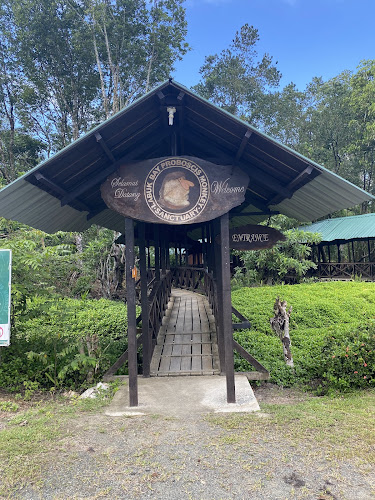
Labuk Bay Proboscis Sanctuary – Platform B
About Labuk Bay Proboscis Sanctuary – Platform B
Description
Platform B at the Labuk Bay Proboscis Sanctuary is one of those places that tends to linger in your memory long after you’ve left Sabah. It’s technically a wildlife attraction, sure, but calling it a zoo or park doesn’t quite land. This is more like stepping into a negotiated truce between humans and proboscis monkeys, where both sides kind of tolerate each other for a brief window each day. And honestly, that’s part of the charm.
The main draw here is the proboscis monkey, that odd-looking, big-nosed primate that feels like it was designed by committee. Platform B offers a quieter, more observational experience compared to other viewing areas in the sanctuary. The monkeys show up for scheduled feeding times, but what happens in between is what makes this place special. You’ll watch them squabble, groom each other, ignore tourists completely, or just sit there looking deeply unimpressed by life. And who can blame them.
The platform itself is elevated and surrounded by mangrove forest. That means you’re eye-level with the monkeys when they arrive, which is thrilling in a calm, respectful way. There’s no glass, no cages. Just a wooden structure, some railings, and the soft smell of wet earth and leaves. I remember standing there once, sweating through my shirt, when a young proboscis monkey locked eyes with me for a solid ten seconds. No fear, no aggression. Just curiosity. I lost that staring contest, by the way.
This sanctuary is privately managed, and you can feel that balance they’re trying to strike between conservation and tourism. It’s not perfect. Some travelers expect a full-blown nature reserve and leave a bit underwhelmed. Others come in with low expectations and walk out genuinely moved. Platform B tends to attract those who prefer less crowd noise and more actual watching. And if you’re traveling with kids, it’s surprisingly engaging for them too, assuming they can stand still for a bit.
What’s less commonly mentioned is how educational the experience can be, even without formal lectures. Signage around Platform B explains proboscis monkey behavior, social hierarchy, and the threats they face in the wild. Habitat loss is the big one. And standing there, seeing how close their lives brush up against palm oil plantations, it hits harder than reading a stat online. There are roughly fewer than 7,000 proboscis monkeys left in the wild, and seeing them this close makes that number feel uncomfortably real.
Key Features
- Elevated wooden platform offering close-up views of proboscis monkeys during feeding times
- Located within mangrove forest, giving a more natural setting than traditional wildlife parks
- Scheduled feedings that encourage monkeys to appear without fully domesticating them
- Clear educational signage explaining monkey behavior, diet, and conservation challenges
- Less crowded atmosphere compared to other platforms in the sanctuary
- Good for kids, especially those curious about animals and nature
- Opportunities to spot other wildlife like birds, squirrels, and the occasional macaque
- Photography-friendly angles, especially in soft morning or late afternoon light
Best Time to Visit
Timing matters here. Platform B runs on feeding schedules, and if you miss those, you might find yourself staring at an empty forest wondering what all the fuss is about. Generally, early morning and late afternoon are the sweet spots. The monkeys tend to appear more reliably then, and the heat is slightly less punishing. Slightly.
If you’re visiting during the dry season, roughly from March to October, you’ll have better footing on the walkways and clearer skies for photos. That said, the rainy season has its own mood. The forest feels heavier, greener, and more alive. I once visited after a morning downpour, shoes soaked, mood questionable. But when the monkeys arrived, steam rising from the leaves, it felt almost cinematic. So yeah, rain isn’t always a deal-breaker.
Weekdays are quieter. Weekends and school holidays can bring in more families and tour groups, which changes the vibe. Not necessarily bad, just louder. If you’re the type who likes to linger and observe without someone’s elbow in your ribcage, aim for a weekday visit. And give yourself buffer time. The monkeys don’t wear watches, and sometimes they show up late. Or early. Or not at all. Nature doesn’t RSVP.
How to Get There
Getting to Labuk Bay Proboscis Sanctuary, and specifically Platform B, requires a bit of planning, but nothing outrageous. Most travelers base themselves in Sandakan, which is the usual jumping-off point. From there, it’s a drive through rural roads lined with palm oil plantations. This part of the journey can feel monotonous, and you might wonder if you’re heading in the right direction. You probably are.
Hiring a taxi or arranging transport through your accommodation is the most straightforward option. Some visitors opt for rental cars, which gives you flexibility but also means navigating unfamiliar roads. Personally, I prefer letting someone else drive while I stare out the window and mentally prepare for monkey noses. Tour packages are also common and often include transport, entrance fees, and timing coordination. Convenient, but a bit rushed sometimes.
Once you arrive at the sanctuary, signage will guide you to Platform B. The paths are well-maintained, though not fancy. Wear proper shoes. I made the mistake of flip-flops once and spent half the time worrying about slipping instead of enjoying the monkeys. Learn from my errors, please.
Tips for Visiting
First things first: manage expectations. This isn’t a guaranteed wildlife spectacle where animals perform on cue. Platform B offers a semi-wild experience, and that unpredictability is part of the deal. Go in with curiosity, not a checklist, and you’ll enjoy it more.
Bring water. It’s humid, and the air doesn’t move much on the platform. Light, breathable clothing helps, but you’re still going to sweat. Accept it. Also, mosquito repellent is your friend. The mangrove setting is beautiful, but mosquitoes clearly missed the memo about personal space.
Photography tips? Use a fast shutter speed if you can. The monkeys move in sudden bursts, and that big nose doesn’t stay still for long. But also, don’t get too caught up behind the lens. I’ve seen people spend the entire feeding session fiddling with settings and miss the simple joy of watching these creatures just be.
If you’re traveling with kids, prep them a little beforehand. Explain that the monkeys might not show up instantly, and that patience is part of the experience. When kids understand that, they usually do great. I’ve watched children ask surprisingly thoughtful questions here, the kind that make you pause and think too.
Listen to the staff. They know the animals, and their casual comments often reveal interesting details you won’t find on the signs. One ranger once pointed out a dominant male and explained how leadership shifts over time. It was a throwaway comment, but it added depth to what I was seeing.
And finally, give yourself permission to just stand there. No rushing, no agenda. Platform B rewards stillness. The longer you stay, the more subtle behaviors you notice. A glance, a gesture, a quiet moment between monkeys that feels oddly familiar. That’s when the place really works its magic.
Labuk Bay Proboscis Sanctuary – Platform B isn’t flawless. Some facilities are basic, and the experience depends heavily on timing and luck. But when it comes together, it offers something increasingly rare in modern travel: a genuine, slightly messy, deeply human encounter with wildlife. And that, in my book, is worth the trip.
Key Features
- Elevated wooden platform offering close-up views of proboscis monkeys during feeding times
- Located within mangrove forest, giving a more natural setting than traditional wildlife parks
- Scheduled feedings that encourage monkeys to appear without fully domesticating them
- Clear educational signage explaining monkey behavior, diet, and conservation challenges
- Less crowded atmosphere compared to other platforms in the sanctuary
- Good for kids, especially those curious about animals and nature
- Opportunities to spot other wildlife like birds, squirrels, and the occasional macaque
- Photography-friendly angles, especially in soft morning or late afternoon light
More Details
Updated December 31, 2025
Table of Contents
- Description
- Key Features
- Best Time to Visit
- How to Get There
- Tips for Visiting
- Key Highlights
- Location
- Places to Stay Near Labuk Bay Proboscis Sanctuary - Platform B
- Find and Book a Tour
- Explore More Travel Guides
- Nearby Places You Might Like
- Traveler Reviews for Labuk Bay Proboscis Sanctuary – Platform B
- Share Your Experience
Description
Platform B at the Labuk Bay Proboscis Sanctuary is one of those places that tends to linger in your memory long after you’ve left Sabah. It’s technically a wildlife attraction, sure, but calling it a zoo or park doesn’t quite land. This is more like stepping into a negotiated truce between humans and proboscis monkeys, where both sides kind of tolerate each other for a brief window each day. And honestly, that’s part of the charm.
The main draw here is the proboscis monkey, that odd-looking, big-nosed primate that feels like it was designed by committee. Platform B offers a quieter, more observational experience compared to other viewing areas in the sanctuary. The monkeys show up for scheduled feeding times, but what happens in between is what makes this place special. You’ll watch them squabble, groom each other, ignore tourists completely, or just sit there looking deeply unimpressed by life. And who can blame them.
The platform itself is elevated and surrounded by mangrove forest. That means you’re eye-level with the monkeys when they arrive, which is thrilling in a calm, respectful way. There’s no glass, no cages. Just a wooden structure, some railings, and the soft smell of wet earth and leaves. I remember standing there once, sweating through my shirt, when a young proboscis monkey locked eyes with me for a solid ten seconds. No fear, no aggression. Just curiosity. I lost that staring contest, by the way.
This sanctuary is privately managed, and you can feel that balance they’re trying to strike between conservation and tourism. It’s not perfect. Some travelers expect a full-blown nature reserve and leave a bit underwhelmed. Others come in with low expectations and walk out genuinely moved. Platform B tends to attract those who prefer less crowd noise and more actual watching. And if you’re traveling with kids, it’s surprisingly engaging for them too, assuming they can stand still for a bit.
What’s less commonly mentioned is how educational the experience can be, even without formal lectures. Signage around Platform B explains proboscis monkey behavior, social hierarchy, and the threats they face in the wild. Habitat loss is the big one. And standing there, seeing how close their lives brush up against palm oil plantations, it hits harder than reading a stat online. There are roughly fewer than 7,000 proboscis monkeys left in the wild, and seeing them this close makes that number feel uncomfortably real.
Key Features
- Elevated wooden platform offering close-up views of proboscis monkeys during feeding times
- Located within mangrove forest, giving a more natural setting than traditional wildlife parks
- Scheduled feedings that encourage monkeys to appear without fully domesticating them
- Clear educational signage explaining monkey behavior, diet, and conservation challenges
- Less crowded atmosphere compared to other platforms in the sanctuary
- Good for kids, especially those curious about animals and nature
- Opportunities to spot other wildlife like birds, squirrels, and the occasional macaque
- Photography-friendly angles, especially in soft morning or late afternoon light
Best Time to Visit
Timing matters here. Platform B runs on feeding schedules, and if you miss those, you might find yourself staring at an empty forest wondering what all the fuss is about. Generally, early morning and late afternoon are the sweet spots. The monkeys tend to appear more reliably then, and the heat is slightly less punishing. Slightly.
If you’re visiting during the dry season, roughly from March to October, you’ll have better footing on the walkways and clearer skies for photos. That said, the rainy season has its own mood. The forest feels heavier, greener, and more alive. I once visited after a morning downpour, shoes soaked, mood questionable. But when the monkeys arrived, steam rising from the leaves, it felt almost cinematic. So yeah, rain isn’t always a deal-breaker.
Weekdays are quieter. Weekends and school holidays can bring in more families and tour groups, which changes the vibe. Not necessarily bad, just louder. If you’re the type who likes to linger and observe without someone’s elbow in your ribcage, aim for a weekday visit. And give yourself buffer time. The monkeys don’t wear watches, and sometimes they show up late. Or early. Or not at all. Nature doesn’t RSVP.
How to Get There
Getting to Labuk Bay Proboscis Sanctuary, and specifically Platform B, requires a bit of planning, but nothing outrageous. Most travelers base themselves in Sandakan, which is the usual jumping-off point. From there, it’s a drive through rural roads lined with palm oil plantations. This part of the journey can feel monotonous, and you might wonder if you’re heading in the right direction. You probably are.
Hiring a taxi or arranging transport through your accommodation is the most straightforward option. Some visitors opt for rental cars, which gives you flexibility but also means navigating unfamiliar roads. Personally, I prefer letting someone else drive while I stare out the window and mentally prepare for monkey noses. Tour packages are also common and often include transport, entrance fees, and timing coordination. Convenient, but a bit rushed sometimes.
Once you arrive at the sanctuary, signage will guide you to Platform B. The paths are well-maintained, though not fancy. Wear proper shoes. I made the mistake of flip-flops once and spent half the time worrying about slipping instead of enjoying the monkeys. Learn from my errors, please.
Tips for Visiting
First things first: manage expectations. This isn’t a guaranteed wildlife spectacle where animals perform on cue. Platform B offers a semi-wild experience, and that unpredictability is part of the deal. Go in with curiosity, not a checklist, and you’ll enjoy it more.
Bring water. It’s humid, and the air doesn’t move much on the platform. Light, breathable clothing helps, but you’re still going to sweat. Accept it. Also, mosquito repellent is your friend. The mangrove setting is beautiful, but mosquitoes clearly missed the memo about personal space.
Photography tips? Use a fast shutter speed if you can. The monkeys move in sudden bursts, and that big nose doesn’t stay still for long. But also, don’t get too caught up behind the lens. I’ve seen people spend the entire feeding session fiddling with settings and miss the simple joy of watching these creatures just be.
If you’re traveling with kids, prep them a little beforehand. Explain that the monkeys might not show up instantly, and that patience is part of the experience. When kids understand that, they usually do great. I’ve watched children ask surprisingly thoughtful questions here, the kind that make you pause and think too.
Listen to the staff. They know the animals, and their casual comments often reveal interesting details you won’t find on the signs. One ranger once pointed out a dominant male and explained how leadership shifts over time. It was a throwaway comment, but it added depth to what I was seeing.
And finally, give yourself permission to just stand there. No rushing, no agenda. Platform B rewards stillness. The longer you stay, the more subtle behaviors you notice. A glance, a gesture, a quiet moment between monkeys that feels oddly familiar. That’s when the place really works its magic.
Labuk Bay Proboscis Sanctuary – Platform B isn’t flawless. Some facilities are basic, and the experience depends heavily on timing and luck. But when it comes together, it offers something increasingly rare in modern travel: a genuine, slightly messy, deeply human encounter with wildlife. And that, in my book, is worth the trip.
Key Highlights
- Elevated wooden platform offering close-up views of proboscis monkeys during feeding times
- Located within mangrove forest, giving a more natural setting than traditional wildlife parks
- Scheduled feedings that encourage monkeys to appear without fully domesticating them
- Clear educational signage explaining monkey behavior, diet, and conservation challenges
- Less crowded atmosphere compared to other platforms in the sanctuary
- Good for kids, especially those curious about animals and nature
- Opportunities to spot other wildlife like birds, squirrels, and the occasional macaque
- Photography-friendly angles, especially in soft morning or late afternoon light
Location
Places to Stay Near Labuk Bay Proboscis Sanctuary - Platform B
Find and Book a Tour
Explore More Travel Guides
No reviews found! Be the first to review!
Traveler Reviews for Labuk Bay Proboscis Sanctuary – Platform B
There are no reviews yet. Be the first one to write one.
Have you visited Labuk Bay Proboscis Sanctuary – Platform B? Help other travelers by sharing your review.
You Might Also Like

San Sheng Gong, Sandakan
Rainforest Discovery Centre (RDC)

Chong Tain Vun Park
Find Accommodations Nearby
Recommended Tours & Activities
Visitor Reviews
There are no reviews yet. Be the first one to write one.
Share Your Experience
Have you visited Labuk Bay Proboscis Sanctuary – Platform B? Help other travelers by leaving a review.