Description
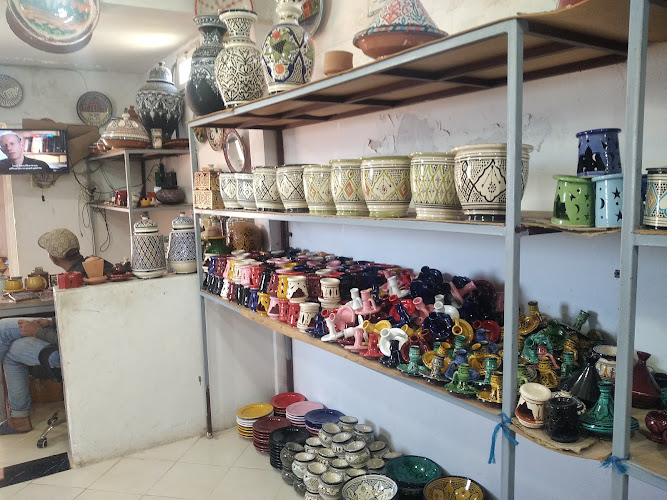
Safi has long been Morocco’s pottery capital, and La Colline des Potiers—literally “The Hill of Potters”—is its beating heart. Over 140 workshops and around 2,000 artisans call this place home. They work side by side, each with their own style and story, producing everything from traditional Moroccan tagines to sleek, contemporary ceramics that wouldn’t look out of place in a Paris gallery. The local clay, rich and reddish, gives their work a distinctive warmth, while the genêt wood used in the kilns adds a subtle, smoky finish that collectors swear by.
What’s fascinating is how old and new coexist here. You’ll see young artists experimenting with modern glazes right next to elderly potters who’ve been using the same techniques their grandfathers taught them. It’s this blend of heritage and innovation that makes the hill more than just a tourist stop—it’s a window into Morocco’s evolving artistic identity.
Now, I’ll be honest—some visitors love it instantly, while others find it a bit rough around the edges. It’s not polished like a museum. You might get your shoes dusty, the paths can be uneven, and the workshops are sometimes chaotic. But that’s part of the charm. If you’re looking for authenticity, for real human craft rather than curated perfection, this is the place. And if you’re lucky, one of the potters might even invite you to try your hand at the wheel. Fair warning: it’s harder than it looks.
Key Features
This place isn’t just about buying souvenirs—it’s about understanding where they come from. Watching a pot take shape in front of you, seeing the potter’s hands move in perfect rhythm, it’s oddly hypnotic. I remember standing there, mesmerized, thinking about how many generations have done exactly this, in exactly the same spot. There’s a humility in that kind of continuity.
Best Time to Visit
The best time to visit La Colline des Potiers is during spring or autumn, when Safi’s weather is at its friendliest. The sun is warm but not scorching, and the sea breeze keeps things comfortable. Summer can be quite hot, especially around midday, so if you come then, plan your visit early in the morning or late in the afternoon. The light at those times is perfect for photos—the terracotta glows gold, and the whole hill seems to hum with life.
If you’re lucky enough to visit during a local festival or artisan fair, you’ll catch the workshops at their most lively. Potters often display their best work, and there’s a sense of pride and celebration in the air. Even if you just wander through on an ordinary day, though, you’ll find something worth your time. Every visit feels a little different, depending on who you meet and what the artisans are working on.
How to Get There
Getting to La Colline des Potiers is fairly straightforward if you’re already in Safi. The hill sits just outside the old city walls, and you can easily reach it by taxi or even on foot if you’re staying nearby. The road winds upward, offering glimpses of the Atlantic and the city’s rooftops as you go. It’s not a long journey, but it feels like stepping into another world—the hum of the city fades, replaced by the quiet rhythm of craft.
If you’re traveling from Marrakech, expect a drive of about two and a half to three hours. The route itself is scenic, passing through rolling countryside and small Moroccan towns. Many travelers choose to stop along the way for a mint tea break or to snap a few photos of the landscape. Public transport is available, but for flexibility, hiring a car or arranging a private driver is the way to go. You’ll appreciate being able to linger as long as you like.
Tips for Visiting
First things first—bring cash. Many artisans here don’t accept cards, and trust me, you’ll want to buy something. The prices are often much lower than in big city shops, and you’ll know your money is going straight to the person who made the piece. Bargaining is part of the culture, but do it respectfully; these are skilled craftspeople, not market hawkers.
Wear comfortable shoes. The pathways can be uneven, and you’ll probably find yourself wandering from one workshop to another, peeking inside, chatting with potters, and maybe even getting a bit of clay on your hands. If you’re the type who likes taking photos (and who isn’t?), ask before snapping someone’s picture. Most artisans are friendly and proud to share their work, but a little politeness goes a long way.
Another tip: take your time. Don’t rush through as if you’re checking off a sightseeing list. Sit for a while, watch the potters work, and let the experience sink in. There’s a quiet poetry in seeing something shaped from earth and fire, and it’s easy to miss that if you’re in a hurry. If you’re interested in learning, ask about workshops—some artisans offer short lessons where you can try throwing a pot or painting a tile. It’s messy, fun, and surprisingly meditative.
Also, keep an eye out for the kilns. They’re often tucked behind the workshops, and watching them being loaded or opened is fascinating. The heat, the smell of the wood smoke, the anticipation of seeing how the glazes turned out—it’s all part of the magic. And don’t be shy about chatting with the locals. Even with limited French or Arabic, a smile and a few words of appreciation go a long way. You might walk away with more than just a ceramic bowl—you might make a friend.
On a personal note, the first time I visited, I left with a small, unevenly glazed cup. It wasn’t perfect, but that’s exactly why I loved it. Every morning when I drink my coffee from it, I’m reminded of that hill, the sound of the potter’s wheel, and the feeling of being connected, however briefly, to something timeless. That’s what La Colline des Potiers offers—not just pottery, but a piece of Morocco’s soul.