
Kuznetsovskoye Plato
About Kuznetsovskoye Plato
Description
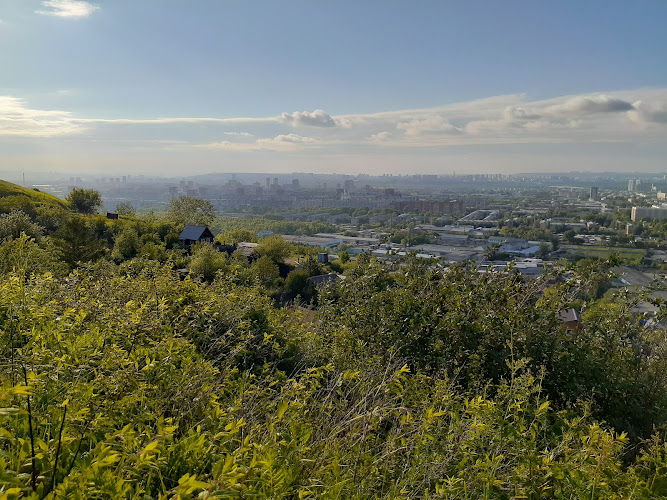
The Kuznetsovskoye Plato in Krasnoyarsk Krai is one of those places that quietly takes your breath away—not with flashy signs or crowds of tourists, but with its sheer natural character. It’s a plateau that feels both ancient and alive, shaped by time and weather, and maybe a bit of stubborn Siberian spirit. When you stand there, the land stretches out in every direction, with rolling hills, pine forests, and that crisp, almost electric air that only Russia’s heartland seems to have. It’s not the easiest place to reach, but that’s part of its charm. You won’t find souvenir stalls or paved trails everywhere—just raw nature and a sense of peaceful isolation that’s hard to come by these days.
I remember the first time I visited—it was after a long, bumpy drive from Krasnoyarsk, and I honestly wondered if the destination would live up to the effort. But when I finally stepped out and saw the plateau bathed in the soft evening light, I just stood there, speechless. There’s a stillness here that kind of humbles you. You hear the wind, maybe a bird or two, and that’s it. It’s perfect for travelers who crave authenticity over convenience, and who don’t mind roughing it a bit for the sake of a view that feels like it belongs only to them.
The Kuznetsovskoye Plato is also surprisingly family-friendly. Kids love the open space—there’s room to run, climb small rock formations, and explore without too much worry. But it’s not exactly built for accessibility; the terrain can be uneven, and there aren’t many facilities designed for wheelchairs or strollers. Still, for those who can manage the trek, it’s a rewarding experience. The plateau’s geology and flora are fascinating too—ancient rock layers tell stories of millennia, and in spring, wildflowers blanket the slopes in bursts of color that look almost painted on.
It’s not a “tourist attraction” in the traditional sense. You won’t find guided tours or flashy Instagram setups. Instead, it’s a place that asks you to slow down, breathe, and just be. And maybe that’s why it leaves such a strong impression. It’s real, unpolished, and quietly beautiful in a way that sticks with you long after you leave.
Key Features
- Expansive plateau with panoramic views of the Siberian landscape
- Rich geological formations and visible rock strata
- Ideal for hiking, photography, and nature observation
- Minimal tourist infrastructure—great for solitude seekers
- Family-friendly for those with adventurous kids
- Unique flora and fauna, especially during spring and summer
- Peaceful environment, away from city noise and crowds
Best Time to Visit
If you ask me, the best time to visit Kuznetsovskoye Plato is late spring through early autumn—roughly from May to September. That’s when the weather is cooperative, the trails are manageable, and the landscape bursts into life. In June, the grass is lush and green, while July brings wildflowers that seem to bloom overnight. Early autumn, though, might just be the most magical. The air turns crisp, the light softens, and the plateau glows in warm golds and reds.
Winter, on the other hand, transforms the area into a completely different world. Snow covers everything, and while it’s stunning, it’s also challenging. The roads can be icy, and the winds can be fierce. Still, if you’re the kind of traveler who enjoys solitude and doesn’t mind bundling up, the winter silence here is almost sacred. Just make sure you’re prepared—it’s not a place to wander into unplanned.
How to Get There
Reaching Kuznetsovskoye Plato requires a bit of planning and patience. The most common route starts from Krasnoyarsk city. From there, you can take a car or join a local driver familiar with the region. It’s about a couple of hours’ drive, depending on road conditions, which can vary with the seasons. Some parts of the road are unpaved and can get muddy after rain, so a 4x4 vehicle is your best bet.
Public transport options are limited, though occasionally small local buses or shared rides can get you close to the area. But honestly, driving yourself (or hiring a local guide with a vehicle) gives you the freedom to stop along the way—maybe to snap photos of the Yenisei River or grab a bite in one of the roadside cafés that serve hearty Siberian fare. Don’t expect fancy facilities, but that’s part of the adventure.
Once you arrive, there are a few rough trails leading up to the plateau. They’re not marked like national park trails, so a GPS app or offline map helps a lot. And bring water—there aren’t any kiosks or taps around. It’s remote, but that’s exactly what makes it special.
Tips for Visiting
Here’s where a little preparation goes a long way. I’ve learned (sometimes the hard way) that visiting remote natural spots like Kuznetsovskoye Plato is all about respecting both the environment and your own limits. So, here are a few tips to make your trip smoother:
- Bring layers: The weather can shift fast. One moment it’s sunny, the next the wind kicks up and you’re reaching for your jacket.
- Wear sturdy shoes: The terrain can be rocky and uneven. Sneakers might cut it, but hiking boots are better.
- Pack your own snacks and water: There are no shops nearby, and you’ll need the energy for exploring.
- Travel early in the day: The light is beautiful in the morning, and it gives you more time to explore before dusk sets in.
- Respect nature: Don’t leave trash behind, and try to stick to existing paths to protect the fragile ground cover.
- Bring a camera or binoculars: The views are wide and wild, and you’ll want to remember them.
- Keep an eye on the weather forecast: Rain can make the roads tricky, and fog sometimes rolls in unexpectedly.
And maybe most importantly—take your time. Don’t rush it. Sit down on a rock, breathe in the cold, clean air, and just look around. There’s something grounding about being in a place that feels so untouched. It reminds you that the world is still full of quiet corners where time slows down.
In a way, visiting Kuznetsovskoye Plato feels like stepping back into a simpler, more honest version of travel. It’s not about ticking off another destination—it’s about feeling small under a vast sky and realizing that’s actually kind of wonderful. If you’re craving that sense of discovery, this plateau might just be your kind of place.
Key Features
- Expansive plateau with panoramic views of the Siberian landscape
- Rich geological formations and visible rock strata
- Ideal for hiking, photography, and nature observation
- Minimal tourist infrastructure—great for solitude seekers
- Family-friendly for those with adventurous kids
- Unique flora and fauna, especially during spring and summer
- Peaceful environment, away from city noise and crowds
More Details
Updated October 10, 2025
Table of Contents
Description
The Kuznetsovskoye Plato in Krasnoyarsk Krai is one of those places that quietly takes your breath away—not with flashy signs or crowds of tourists, but with its sheer natural character. It’s a plateau that feels both ancient and alive, shaped by time and weather, and maybe a bit of stubborn Siberian spirit. When you stand there, the land stretches out in every direction, with rolling hills, pine forests, and that crisp, almost electric air that only Russia’s heartland seems to have. It’s not the easiest place to reach, but that’s part of its charm. You won’t find souvenir stalls or paved trails everywhere—just raw nature and a sense of peaceful isolation that’s hard to come by these days.
I remember the first time I visited—it was after a long, bumpy drive from Krasnoyarsk, and I honestly wondered if the destination would live up to the effort. But when I finally stepped out and saw the plateau bathed in the soft evening light, I just stood there, speechless. There’s a stillness here that kind of humbles you. You hear the wind, maybe a bird or two, and that’s it. It’s perfect for travelers who crave authenticity over convenience, and who don’t mind roughing it a bit for the sake of a view that feels like it belongs only to them.
The Kuznetsovskoye Plato is also surprisingly family-friendly. Kids love the open space—there’s room to run, climb small rock formations, and explore without too much worry. But it’s not exactly built for accessibility; the terrain can be uneven, and there aren’t many facilities designed for wheelchairs or strollers. Still, for those who can manage the trek, it’s a rewarding experience. The plateau’s geology and flora are fascinating too—ancient rock layers tell stories of millennia, and in spring, wildflowers blanket the slopes in bursts of color that look almost painted on.
It’s not a “tourist attraction” in the traditional sense. You won’t find guided tours or flashy Instagram setups. Instead, it’s a place that asks you to slow down, breathe, and just be. And maybe that’s why it leaves such a strong impression. It’s real, unpolished, and quietly beautiful in a way that sticks with you long after you leave.
Key Features
- Expansive plateau with panoramic views of the Siberian landscape
- Rich geological formations and visible rock strata
- Ideal for hiking, photography, and nature observation
- Minimal tourist infrastructure—great for solitude seekers
- Family-friendly for those with adventurous kids
- Unique flora and fauna, especially during spring and summer
- Peaceful environment, away from city noise and crowds
Best Time to Visit
If you ask me, the best time to visit Kuznetsovskoye Plato is late spring through early autumn—roughly from May to September. That’s when the weather is cooperative, the trails are manageable, and the landscape bursts into life. In June, the grass is lush and green, while July brings wildflowers that seem to bloom overnight. Early autumn, though, might just be the most magical. The air turns crisp, the light softens, and the plateau glows in warm golds and reds.
Winter, on the other hand, transforms the area into a completely different world. Snow covers everything, and while it’s stunning, it’s also challenging. The roads can be icy, and the winds can be fierce. Still, if you’re the kind of traveler who enjoys solitude and doesn’t mind bundling up, the winter silence here is almost sacred. Just make sure you’re prepared—it’s not a place to wander into unplanned.
How to Get There
Reaching Kuznetsovskoye Plato requires a bit of planning and patience. The most common route starts from Krasnoyarsk city. From there, you can take a car or join a local driver familiar with the region. It’s about a couple of hours’ drive, depending on road conditions, which can vary with the seasons. Some parts of the road are unpaved and can get muddy after rain, so a 4×4 vehicle is your best bet.
Public transport options are limited, though occasionally small local buses or shared rides can get you close to the area. But honestly, driving yourself (or hiring a local guide with a vehicle) gives you the freedom to stop along the way—maybe to snap photos of the Yenisei River or grab a bite in one of the roadside cafés that serve hearty Siberian fare. Don’t expect fancy facilities, but that’s part of the adventure.
Once you arrive, there are a few rough trails leading up to the plateau. They’re not marked like national park trails, so a GPS app or offline map helps a lot. And bring water—there aren’t any kiosks or taps around. It’s remote, but that’s exactly what makes it special.
Tips for Visiting
Here’s where a little preparation goes a long way. I’ve learned (sometimes the hard way) that visiting remote natural spots like Kuznetsovskoye Plato is all about respecting both the environment and your own limits. So, here are a few tips to make your trip smoother:
- Bring layers: The weather can shift fast. One moment it’s sunny, the next the wind kicks up and you’re reaching for your jacket.
- Wear sturdy shoes: The terrain can be rocky and uneven. Sneakers might cut it, but hiking boots are better.
- Pack your own snacks and water: There are no shops nearby, and you’ll need the energy for exploring.
- Travel early in the day: The light is beautiful in the morning, and it gives you more time to explore before dusk sets in.
- Respect nature: Don’t leave trash behind, and try to stick to existing paths to protect the fragile ground cover.
- Bring a camera or binoculars: The views are wide and wild, and you’ll want to remember them.
- Keep an eye on the weather forecast: Rain can make the roads tricky, and fog sometimes rolls in unexpectedly.
And maybe most importantly—take your time. Don’t rush it. Sit down on a rock, breathe in the cold, clean air, and just look around. There’s something grounding about being in a place that feels so untouched. It reminds you that the world is still full of quiet corners where time slows down.
In a way, visiting Kuznetsovskoye Plato feels like stepping back into a simpler, more honest version of travel. It’s not about ticking off another destination—it’s about feeling small under a vast sky and realizing that’s actually kind of wonderful. If you’re craving that sense of discovery, this plateau might just be your kind of place.
Key Highlights
- Expansive plateau with panoramic views of the Siberian landscape
- Rich geological formations and visible rock strata
- Ideal for hiking, photography, and nature observation
- Minimal tourist infrastructure—great for solitude seekers
- Family-friendly for those with adventurous kids
- Unique flora and fauna, especially during spring and summer
- Peaceful environment, away from city noise and crowds
Location
Places to Stay Near Kuznetsovskoye Plato
Find and Book a Tour
Explore More Travel Guides
No reviews found! Be the first to review!
Traveler Reviews for Kuznetsovskoye Plato
There are no reviews yet. Be the first one to write one.
Have you visited Kuznetsovskoye Plato? Help other travelers by sharing your review.
You Might Also Like

Craft University Brewery, пивоваренный завод
Красноярские Столбы

AEROCOMPLEX SkyFly
Find Accommodations Nearby
Recommended Tours & Activities
Visitor Reviews
There are no reviews yet. Be the first one to write one.
Share Your Experience
Have you visited Kuznetsovskoye Plato? Help other travelers by leaving a review.