
Kryvyi Rih History Museum
About Kryvyi Rih History Museum
Kryvyi Rih History Museum: what it covers, how to visit, and what to look for (Kaunaska St, 16A)
Kryvyi Rih’s History and Local Lore Museum (often translated as “Kryvyi Rih History Museum”) is the city’s core place to understand the Kryvbas region—not just as an industrial powerhouse, but as a landscape with deep archaeological layers, changing borders, and living cultural traditions. The museum is located in central Kryvyi Rih at Kaunaska Street, 16A, 50000.
Quick facts (verified):
– Name (Ukrainian): Криворізький історико-краєзнавчий музей
– Founded: 1960
– Address: Kaunaska St, 16A, Kryvyi Rih, Dnipropetrovsk Oblast, 50000, Ukraine
– Collections (high level): natural history + archaeology; ethnography; numismatics; fine and folk-applied arts; photos and documents on 19th–20th century regional history
> Internal links (contextual): If you’re building a Ukraine cluster, tie this museum into your broader country context via Ukraine destination hub and, for regional continuity, another Dnipropetrovsk Oblast stop like Kamianske. Journey Travels
—
## What you’ll actually learn here (and why it’s different from “generic city history” museums)
Most local-history museums in Eastern Europe follow a familiar pattern—archaeology, folk culture, imperial period, Soviet era, independence. Kryvyi Rih’s version is shaped by a specific reality: Kryvbas is a resource region. That means the story isn’t only about rulers and dates; it’s about how geology, extraction, and labor reorganized daily life.
Public descriptions of the museum’s holdings emphasize several collection streams (listed below only at the level that is explicitly documented):
### Archaeology and deep-time regional context
The museum is described as holding archaeological collections tied to the region. That matters because it gives Kryvyi Rih a timeline that runs far earlier than modern industry.
### Ethnography and material culture
The museum is also described as holding ethnographic materials and folk-applied art—the “how people lived” layer that gets flattened when a city is known primarily for mines and steel.
### Numismatics and documentary history
Numismatic materials and documentary/photo sources are explicitly mentioned as part of the collection profile. This is the kind of evidence base you want if you’re trying to understand changing administrations, civic institutions, and the economics of the region across the 19th and 20th centuries.
—
## A modern lens: “Reimagining the Museum” and why it signals a shift
If you care about how museums interpret history (not just what they display), it’s worth noting that Kryvyi Rih has hosted programming explicitly aimed at reassessing museum narratives through a decolonial lens, including the project “Reimagining the Museum” (March 20 – May 31, 2025). The project framing describes a goal of dismantling imperial narratives and building more inclusive interpretations of local history in the context of the ongoing full-scale war.
That doesn’t tell you exactly what’s in every gallery—only that there is documented effort around interpretation and narrative structure, which is often the most meaningful change a local-history museum can make.
—
## Practical visit planning (hours, tickets, contact)
### Opening hours (as publicly listed)
One public, Ukraine-focused travel listing shows:
– Hours: 08:30–17:00
– Closed: Friday
– Last update shown: June 26, 2025
A separate general listing also gives hours in roughly the same range (09:30–17:00, Friday off). Because these conflict slightly, treat exact opening time as needs confirmation before you go.
### Ticket pricing (as publicly listed; may change)
The same travel listing reports:
– Adults: UAH 20
– Students / schoolchildren: UAH 15
– Excursion: UAH 55
Outdated-data flag: these prices were last updated on that page in June 2025, and pricing is one of the first things to change (especially under wartime conditions). Verify before relying on it.
### How to confirm status quickly
The museum has an official website listed publicly, plus active social presence and contact channels:
– Official site (listed): krmuz.dp.ua
– Facebook page (listed): “Міський історико-краєзнавчий музей”
– Phone numbers + email (listed): including [email protected] and multiple local numbers
—
## Accessibility and inclusivity: what’s confirmed (and what isn’t)
Accessibility details are often vague for museums. Here, a dedicated listing provides unusually specific accessibility notes “according to the institution,” including measurements and whether certain supports exist.
### Confirmed accessibility notes (high-signal highlights)
– Entrance: not level with ground; stairs exist; a ramp is listed (170 cm width, ~7 m length, 6° angle).
– Induction loop / hearing support: listed as not installed; FM hearing aids not available.
– Tactile exhibits: listed as yes; audio guide: listed as no.
– Accessible WC: listed as no accessible toilet.
– Entry with a guide dog: listed as allowed.
– Admission for an accompanying person: listed as free.
Because these details are granular, they’re useful—but still worth confirming via phone/message if you’re traveling with specific access needs.
—
## Safety reality check for planning (important)
This is not a soft disclaimer: official guidance warns against travel to Ukraine due to Russia’s war against Ukraine (U.S. Department of State travel advisory). If you are not already in-country with a clear reason and local context, treat museum visits as contingent on rapidly changing security conditions and local restrictions. State Department
—
## A smart way to structure your visit (so you don’t “speed-run” it)
If you only have an hour, you’ll get the most value by using the museum as a timeline anchor for the city and region, then letting that shape what you do next in Kryvyi Rih:
– Start with the region-first lens: natural history → archaeology → settlement and city development (this aligns with how the museum describes its collection profile).
– Then look for documentary/photo sections: they tend to be the fastest way to understand industrial-era transformation without needing deep background.
– If decolonial reframing interests you: check whether any “reassessment” programming (like the 2025 project) has produced public-facing outputs, talks, or updated labels.
—
## What may be outdated (and how to keep your post accurate)
To keep this article fact-tight (and future-proof for SEO):
– Hours and prices: publicly listed with a June 26, 2025 update on one source; verify via official channels before publishing “hard” claims.
– On-the-ground accessibility: detailed but still best confirmed directly for edge cases.
– Operational status: wartime realities can change schedules with little notice; rely on the museum’s official channels where possible.
—
– Place: Kryvyi Rih History Museum (Kryvyi Rih History and Local Lore Museum)
– Address: Kaunaska St, 16A, Kryvyi Rih, Dnipropetrovsk Oblast, 50000, Ukraine
– Type: Tourist attraction / museum-gallery
– Founded: 1960
If you want, paste two candidate internal URLs you know exist for your Kryvyi Rih / Dnipropetrovsk cluster, and I’ll rewrite the two internal-link sentences so they read completely native to your site architecture (no awkward “Related resources” vibe).
Key Features
Kryvyi Rih History Museum
You Might Also Like
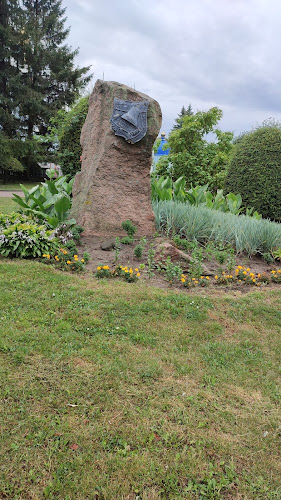
750 Rokiv Mistu Novohrad-Volynsʹkyy
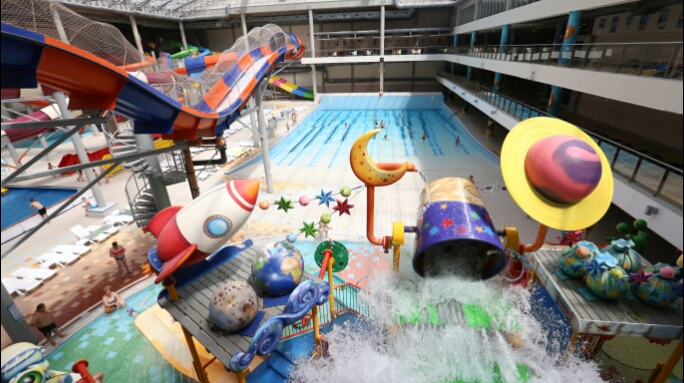
Akvapark Terminal
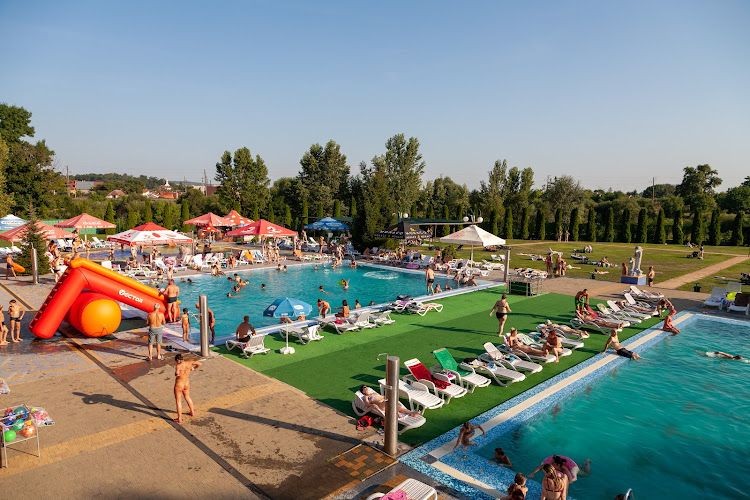
Aqua Rio Park
Tours & Activities
GetYourGuide provides this tour inventory. We may earn a commission if you book through it; verify current availability, prices, and terms with the provider.
Visitor Reviews
There are no reviews yet. Be the first one to write one.
Share Your Experience
Have you visited Kryvyi Rih History Museum? Help other travelers by leaving a review.