Description
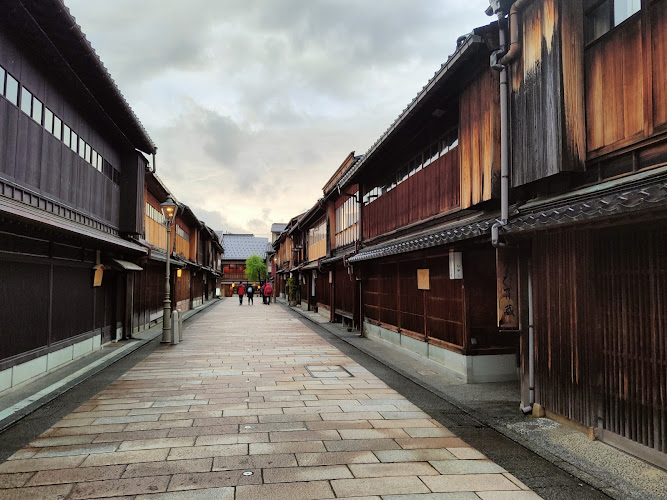
The Kazuemachi Chaya District represents one of Kanazawa’s most atmospheric corners, where time seems to move at a different pace than the rest of the modern city. This historic entertainment quarter stretches along the Asano River, offering travelers a glimpse into Japan’s Edo period with its beautifully preserved wooden teahouses that date back to the 1800s. Unlike its more famous sister district Higashi Chaya, Kazuemachi maintains a quieter, almost secretive charm that rewards those who venture beyond the typical tourist trail.
Walking through this district feels like stepping onto a movie set, except everything here is authentic. The two-story wooden structures with their distinctive latticed windows line narrow streets that have witnessed centuries of geisha culture, merchant gatherings, and artistic performances. I remember my first visit here on a rainy autumn evening when lanterns began flickering to life, and honestly, it was one of those moments that justified all the hours spent on planes and trains getting to Japan.
The district occupies a relatively compact area but packs considerable historical significance into every corner. Many of the buildings have been lovingly restored while maintaining their original architectural integrity, creating this wonderful tension between preservation and practical modern use. Today these structures house intimate restaurants, specialty shops, and yes, still-functioning teahouses where geisha entertain guests in the traditional manner.
What makes Kazuemachi special isn’t just the buildings themselves but the atmosphere they create collectively. The district has managed to avoid the over-commercialization that sometimes plagues heritage sites, maintaining an authentic residential quality alongside its tourist attractions. Real people live here, work here, and continue traditions that stretch back generations.
Key Features
- Authentic Edo-period architecture – The wooden teahouses feature traditional latticed facades called kimusuko that allowed courtesans to see outside without being seen themselves, a fascinating architectural feature born from social customs of the era
- Riverside location along the Asano River – The district benefits from stunning seasonal views, particularly during cherry blossom season when the riverbanks transform into pink corridors, and during autumn when maple trees provide a contrasting backdrop to the dark wooden buildings
- Active geisha culture – Unlike many historical districts where geisha culture exists only in museums, Kazuemachi still hosts working geisha who perform at exclusive gatherings, though glimpsing them requires luck and good timing
- Intimate scale – The district is smaller and less crowded than Higashi Chaya, making it perfect for travelers who prefer discovering places that feel less touristy and more authentic
- Evening ambiance – The area truly comes alive after dark when traditional lanterns illuminate the streets and the sounds of shamisen music drift from behind wooden doors
- Converted teahouses – Several historic buildings now operate as restaurants serving Kaga cuisine, boutique shops selling local crafts, and cafes where you can rest while absorbing the atmosphere
- Photography opportunities – The narrow lanes, traditional architecture, and riverside setting create endless compositions for photographers, especially during blue hour when natural and artificial light mix beautifully
- Pedestrian-friendly streets – The district’s compact nature and limited vehicle access make exploration on foot both safe and pleasant
Best Time to Visit
Timing your visit to Kazuemachi Chaya District can significantly impact your experience. Spring, particularly late March through mid-April, brings cherry blossoms to the Asano River banks, creating arguably the most photogenic period of the year. The contrast between pink petals and dark wooden teahouses is genuinely spectacular, though you’ll share this beauty with larger crowds than usual.
Autumn ranks as another premium season, typically from early November through late November when maple trees display their color-changing magic. The weather during these months tends toward crisp and comfortable, perfect for extended wandering. I actually prefer autumn here because the tourist numbers decrease compared to cherry blossom season, yet the visual reward remains equally impressive.
Summer brings its own character to the district, though the humidity can be intense during July and August. But summer evenings in Kazuemachi possess a special quality – the sound of cicadas, the cooling effect of the nearby river, and the increased likelihood of outdoor events make it worthwhile despite the heat. Plus, accommodation prices typically drop compared to peak seasons.
Winter might seem like an off-season choice, but hear me out. Snow-dusted wooden buildings create an entirely different aesthetic that many travelers never witness. The district takes on a hushed, almost magical quality during snowfall. And because far fewer visitors brave the cold, you’ll often have streets nearly to yourself. Just bundle up appropriately because temperatures regularly drop below freezing.
Regarding time of day, early morning offers the district at its most peaceful. Around 7-8 AM you can photograph the streets without crowds and observe local residents beginning their day. But honestly, evening might be the most rewarding time to visit. Between 5-8 PM the district transitions from day to night, lanterns illuminate, and if you’re fortunate, you might glimpse geisha heading to appointments.
Weekdays consistently provide a calmer experience than weekends when domestic tourists increase noticeably. If your schedule allows flexibility, plan your visit for Tuesday through Thursday for the best balance between open establishments and manageable crowds.
How to Get There
Reaching Kazuemachi Chaya District proves refreshingly straightforward from anywhere in Kanazawa. The district sits within reasonable walking distance from Kanazawa Station, though the 2.5 kilometer journey takes about 30-35 minutes on foot. This walk can actually be quite pleasant if you’re not hauling luggage and enjoy urban exploration.
The bus system offers a more direct approach. The Kanazawa Loop Bus, which specifically targets tourist destinations, stops near the district. Look for the Hashiba-cho stop, which places you within a 3-minute walk of Kazuemachi. The loop bus operates in two directions, so pay attention to which route gets you there faster depending on your starting point. A single ride costs 200 yen, though day passes at 600 yen make sense if you’re planning multiple destinations.
Regular city buses also service the area, particularly routes that run along Hyakumangoku-dori Avenue. The local bus system can seem intimidating at first, but most buses display information in English, and drivers generally help confused foreign visitors despite language barriers.
Taxis provide another option, especially if you’re traveling as a group where split costs make it economical. A taxi from Kanazawa Station runs approximately 1,000-1,500 yen depending on traffic. Just show the driver “Kazuemachi” written in Japanese characters or have your hotel write the destination for you.
Cycling represents my personal favorite method for reaching the district. Kanazawa offers excellent bike rental programs, including the Machi-nori public bicycle system with stations throughout the city. The ride from central areas takes 10-15 minutes, and having a bike lets you easily combine Kazuemachi with other districts like Higashi Chaya or Nagamachi in a single day. Just note that bike parking near the district is limited.
From other popular tourist areas within Kanazawa, walking remains perfectly viable. The Kenrokuen Garden sits roughly 20 minutes away on foot, Kanazawa Castle about 15 minutes, and Higashi Chaya District approximately 10 minutes if you cross the Asano River bridge.
Tips for Visiting
Understanding a few practical details before visiting enhances the Kazuemachi experience considerably. First off, accessibility presents real challenges here. The historic nature of the district means wheelchair accessibility is essentially non-existent – the streets feature uneven surfaces, steps, and narrow passages that create significant barriers. This is simply the reality of preserving historical architecture, but travelers with mobility limitations should plan accordingly.
Restroom facilities exist within the district but aren’t abundant. Your best strategy involves using facilities at restaurants or cafes where you’re already a customer. Public restrooms do exist but aren’t as conveniently located as in more modern tourist areas.
Photography etiquette deserves attention. While the district welcomes photographers, remember that people actually live and work here. Avoid peering too obviously into windows or doorways, and if you spot a geisha, photograph respectfully from a distance without blocking their path or being intrusive. Some establishments display signs prohibiting photography – respect these completely.
Cash remains king in many smaller shops and traditional establishments within Kazuemachi. While larger restaurants increasingly accept cards, don’t rely on plastic exclusively. Hit an ATM before arriving, particularly if you plan on shopping or dining at multiple locations.
The dress code here isn’t formal, but extremely casual attire like beach wear or athletic clothing feels out of place given the district’s refined atmosphere. Business casual or smart casual works perfectly. And comfortable walking shoes are absolutely essential because you’ll be on your feet navigating those historic streets and bridges.
Language barriers exist more prominently here than in major hotels or department stores. Learning basic Japanese phrases or having translation apps ready helps tremendously. That said, people working in tourist-facing establishments generally manage basic English communication.
Reservations for dinner at the converted teahouse restaurants often require advance booking, sometimes days ahead during peak seasons. If you’re interested in dining at a specific establishment, research and reserve before your visit to avoid disappointment.
Exploring during both daylight and evening hours is really worthwhile if your schedule allows. The district reveals different personalities depending on lighting and activity levels. A morning exploration followed by an evening return shows you the full character of this historic quarter.
Don’t rush through Kazuemachi. Its appeal lies not in checking off major sights but in absorbing atmosphere and imagining historical layers beneath the present. Budget at least an hour for a leisurely visit, longer if you’re dining or shopping. This isn’t a place for hurried sightseeing – it rewards those who slow down and pay attention to architectural details, seasonal changes, and the way light plays across wooden facades.
HTML formatting complete with appropriate headers and natural, human-style writing as requested.