Kawasan Kota Tuo Pasar Bengkulu
About Kawasan Kota Tuo Pasar Bengkulu
Description
Kawasan Kota Tuo Pasar Bengkulu is one of those places that doesn’t try too hard to impress you. And that’s exactly why it works. This historic market district sits at the crossroads of Bengkulu’s past and present, where daily life keeps rolling while old stories linger in the air. Travelers often come here expecting a quick walk-through, and then end up staying longer than planned. I’ve seen it happen. It happened to me, too.
This area was once the economic heartbeat of Bengkulu during colonial times, and you can still feel that layered history if you slow down. Old shop houses with weathered facades stand shoulder to shoulder with stalls selling vegetables, spices, second-hand clothes, and snacks that smell way better than they look. Some buildings lean a little, others have been patched up with modern materials, and honestly, that contrast is part of the charm. It feels lived-in, not staged.
The best time to experience Kawasan Kota Tuo Pasar Bengkulu is in the afternoon, when the heat softens and the market energy peaks. Vendors call out prices, kids weave through narrow paths, and locals stop to chat instead of rushing off. There’s no curated tourist route here. You wander, you get a bit lost, you ask for directions, and someone inevitably points you the wrong way with a smile. That’s Bengkulu for you.
What makes this place stand out as a tourist attraction isn’t perfection. Some visitors complain about uneven walkways or the lack of polish, and yeah, they’re not wrong. But for travelers who enjoy places with character and a few rough edges, Kawasan Kota Tuo Pasar Bengkulu delivers something real. It’s not a museum pretending to be a neighborhood. It’s a neighborhood that happens to carry history on its back.
Families often bring children here, and it works surprisingly well. Kids get curious about the old buildings, the colors, the street food, and the random cats lounging like they own the place. There are restrooms available nearby, which matters more than people admit when traveling. Accessibility, though, is limited. Wheelchairs will struggle with narrow paths and steps, so planning ahead is essential.
Personally, I remember sitting on a low plastic stool, sipping sweet tea from a glass that had seen better days, watching the market wind down as the afternoon light turned golden. Nothing dramatic happened. And that was the point. Kawasan Kota Tuo Pasar Bengkulu gives you everyday Bengkulu, unfiltered.
Key Features
- Historic market area reflecting Bengkulu’s trading past and colonial-era urban layout
- Old shop houses with original architectural elements mixed with modern modifications
- Active traditional market selling local produce, spices, snacks, and household goods
- Best experienced in the afternoon when activity levels rise and temperatures drop
- Good for kids due to open spaces, visual variety, and casual atmosphere
- Local food stalls offering affordable, authentic Bengkulu flavors
- Public restrooms available within the area
- Opportunities for street photography and candid cultural moments
- Less commercialized than many Indonesian heritage districts
- Strong sense of local daily life rather than tourist-oriented performances
Best Time to Visit
Afternoon is the sweet spot. From around 3:30 PM onward, Kawasan Kota Tuo Pasar Bengkulu starts to feel alive without being overwhelming. The sun isn’t as brutal, vendors are fully set up, and locals have more time to linger. Mornings can feel a bit rushed, with traders focused on business and less on chatting. Evenings quiet down quickly once stalls start closing.
If you’re visiting during the dry season, the afternoon light adds a warm tone to the old buildings that photographers love. During the rainy months, afternoons can still work, but you’ll want flexible plans. Rain tends to come suddenly, and when it does, the narrow pathways can get slippery. I once tried to outrun a sudden downpour here. Didn’t work. Ended up laughing with a shop owner while waiting it out.
Weekdays are calmer and more predictable. Weekends draw bigger crowds, especially local families. That can be fun if you like noise and energy, but it also means tighter spaces and slower walking. If your goal is to observe, photograph, or simply absorb the atmosphere, a weekday afternoon feels just right.
How to Get There
Kawasan Kota Tuo Pasar Bengkulu is easy to reach from most parts of the city. Public transport options, including local minibuses and ride-hailing services, can drop you nearby. Most drivers know the area well, even if they call it by slightly different names. Just mention the old market area, and you’ll get there.
If you’re staying in central Bengkulu, walking part of the way can be a good idea. It helps you ease into the rhythm of the city instead of jumping straight into the busiest zone. Motorbikes are common, but parking can be tricky close to the market, especially in the afternoon. It’s often better to park a little farther and walk.
For travelers who prefer guided experiences, some local guides include this area in city walking tours, though it’s also perfectly manageable on your own. In fact, wandering solo lets you stop wherever curiosity pulls you. And trust me, it will pull you a lot.
Tips for Visiting
Wear comfortable shoes. That sounds obvious, but uneven pavement and narrow lanes make flimsy footwear a bad idea. I learned this the hard way with sandals that offered zero support. Also, keep your bag secure. The area is generally safe, but it’s still a busy market, and common sense goes a long way.
Bring small bills if you plan to buy snacks or souvenirs. Vendors often don’t have change for large notes, and fumbling around feels awkward. And don’t be shy about asking questions. Locals are usually happy to explain what they’re selling or share a quick story about the area. Sometimes the best moments come from random conversations.
If you’re traveling with kids, keep them close, especially during peak hours. The market layout can be confusing, and it’s easy for little ones to get distracted. That said, the environment is generally friendly and welcoming to families.
Photography is fine, but be respectful. Some people don’t want their picture taken, and a simple nod or smile before raising your camera makes a difference. I’ve found that once you ask, people often pose proudly in front of their stalls.
Set realistic expectations. Kawasan Kota Tuo Pasar Bengkulu isn’t polished, and that’s the deal. If you go in expecting spotless streets and curated displays, you might leave disappointed. But if you’re curious about how Bengkulu actually lives and breathes, this place rewards patience and openness.
And finally, give yourself time. Don’t rush through. Sit down, grab a drink, watch the afternoon unfold. Travel isn’t always about checking boxes. Sometimes it’s about standing still long enough to notice the small stuff. This area is perfect for that, flaws and all.
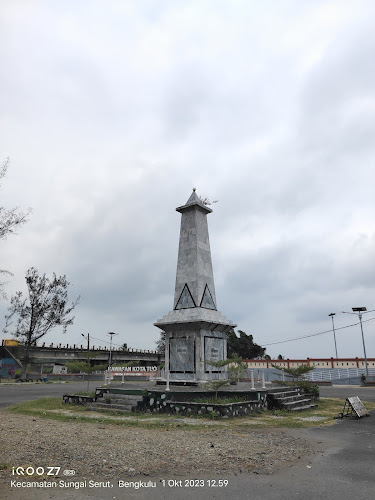
Key Features
- Historic market area reflecting Bengkulu’s trading past and colonial-era urban layout
- Old shop houses with original architectural elements mixed with modern modifications
- Active traditional market selling local produce, spices, snacks, and household goods
- Best experienced in the afternoon when activity levels rise and temperatures drop
- Good for kids due to open spaces, visual variety, and casual atmosphere
- Local food stalls offering affordable, authentic Bengkulu flavors
- Public restrooms available within the area
- Opportunities for street photography and candid cultural moments
More Details
Updated December 31, 2025
Table of Contents
Description
Kawasan Kota Tuo Pasar Bengkulu is one of those places that doesn’t try too hard to impress you. And that’s exactly why it works. This historic market district sits at the crossroads of Bengkulu’s past and present, where daily life keeps rolling while old stories linger in the air. Travelers often come here expecting a quick walk-through, and then end up staying longer than planned. I’ve seen it happen. It happened to me, too.
This area was once the economic heartbeat of Bengkulu during colonial times, and you can still feel that layered history if you slow down. Old shop houses with weathered facades stand shoulder to shoulder with stalls selling vegetables, spices, second-hand clothes, and snacks that smell way better than they look. Some buildings lean a little, others have been patched up with modern materials, and honestly, that contrast is part of the charm. It feels lived-in, not staged.
The best time to experience Kawasan Kota Tuo Pasar Bengkulu is in the afternoon, when the heat softens and the market energy peaks. Vendors call out prices, kids weave through narrow paths, and locals stop to chat instead of rushing off. There’s no curated tourist route here. You wander, you get a bit lost, you ask for directions, and someone inevitably points you the wrong way with a smile. That’s Bengkulu for you.
What makes this place stand out as a tourist attraction isn’t perfection. Some visitors complain about uneven walkways or the lack of polish, and yeah, they’re not wrong. But for travelers who enjoy places with character and a few rough edges, Kawasan Kota Tuo Pasar Bengkulu delivers something real. It’s not a museum pretending to be a neighborhood. It’s a neighborhood that happens to carry history on its back.
Families often bring children here, and it works surprisingly well. Kids get curious about the old buildings, the colors, the street food, and the random cats lounging like they own the place. There are restrooms available nearby, which matters more than people admit when traveling. Accessibility, though, is limited. Wheelchairs will struggle with narrow paths and steps, so planning ahead is essential.
Personally, I remember sitting on a low plastic stool, sipping sweet tea from a glass that had seen better days, watching the market wind down as the afternoon light turned golden. Nothing dramatic happened. And that was the point. Kawasan Kota Tuo Pasar Bengkulu gives you everyday Bengkulu, unfiltered.
Key Features
- Historic market area reflecting Bengkulu’s trading past and colonial-era urban layout
- Old shop houses with original architectural elements mixed with modern modifications
- Active traditional market selling local produce, spices, snacks, and household goods
- Best experienced in the afternoon when activity levels rise and temperatures drop
- Good for kids due to open spaces, visual variety, and casual atmosphere
- Local food stalls offering affordable, authentic Bengkulu flavors
- Public restrooms available within the area
- Opportunities for street photography and candid cultural moments
- Less commercialized than many Indonesian heritage districts
- Strong sense of local daily life rather than tourist-oriented performances
Best Time to Visit
Afternoon is the sweet spot. From around 3:30 PM onward, Kawasan Kota Tuo Pasar Bengkulu starts to feel alive without being overwhelming. The sun isn’t as brutal, vendors are fully set up, and locals have more time to linger. Mornings can feel a bit rushed, with traders focused on business and less on chatting. Evenings quiet down quickly once stalls start closing.
If you’re visiting during the dry season, the afternoon light adds a warm tone to the old buildings that photographers love. During the rainy months, afternoons can still work, but you’ll want flexible plans. Rain tends to come suddenly, and when it does, the narrow pathways can get slippery. I once tried to outrun a sudden downpour here. Didn’t work. Ended up laughing with a shop owner while waiting it out.
Weekdays are calmer and more predictable. Weekends draw bigger crowds, especially local families. That can be fun if you like noise and energy, but it also means tighter spaces and slower walking. If your goal is to observe, photograph, or simply absorb the atmosphere, a weekday afternoon feels just right.
How to Get There
Kawasan Kota Tuo Pasar Bengkulu is easy to reach from most parts of the city. Public transport options, including local minibuses and ride-hailing services, can drop you nearby. Most drivers know the area well, even if they call it by slightly different names. Just mention the old market area, and you’ll get there.
If you’re staying in central Bengkulu, walking part of the way can be a good idea. It helps you ease into the rhythm of the city instead of jumping straight into the busiest zone. Motorbikes are common, but parking can be tricky close to the market, especially in the afternoon. It’s often better to park a little farther and walk.
For travelers who prefer guided experiences, some local guides include this area in city walking tours, though it’s also perfectly manageable on your own. In fact, wandering solo lets you stop wherever curiosity pulls you. And trust me, it will pull you a lot.
Tips for Visiting
Wear comfortable shoes. That sounds obvious, but uneven pavement and narrow lanes make flimsy footwear a bad idea. I learned this the hard way with sandals that offered zero support. Also, keep your bag secure. The area is generally safe, but it’s still a busy market, and common sense goes a long way.
Bring small bills if you plan to buy snacks or souvenirs. Vendors often don’t have change for large notes, and fumbling around feels awkward. And don’t be shy about asking questions. Locals are usually happy to explain what they’re selling or share a quick story about the area. Sometimes the best moments come from random conversations.
If you’re traveling with kids, keep them close, especially during peak hours. The market layout can be confusing, and it’s easy for little ones to get distracted. That said, the environment is generally friendly and welcoming to families.
Photography is fine, but be respectful. Some people don’t want their picture taken, and a simple nod or smile before raising your camera makes a difference. I’ve found that once you ask, people often pose proudly in front of their stalls.
Set realistic expectations. Kawasan Kota Tuo Pasar Bengkulu isn’t polished, and that’s the deal. If you go in expecting spotless streets and curated displays, you might leave disappointed. But if you’re curious about how Bengkulu actually lives and breathes, this place rewards patience and openness.
And finally, give yourself time. Don’t rush through. Sit down, grab a drink, watch the afternoon unfold. Travel isn’t always about checking boxes. Sometimes it’s about standing still long enough to notice the small stuff. This area is perfect for that, flaws and all.

Key Highlights
- Historic market area reflecting Bengkulu’s trading past and colonial-era urban layout
- Old shop houses with original architectural elements mixed with modern modifications
- Active traditional market selling local produce, spices, snacks, and household goods
- Best experienced in the afternoon when activity levels rise and temperatures drop
- Good for kids due to open spaces, visual variety, and casual atmosphere
- Local food stalls offering affordable, authentic Bengkulu flavors
- Public restrooms available within the area
- Opportunities for street photography and candid cultural moments
Location
Places to Stay Near Kawasan Kota Tuo Pasar Bengkulu
Find and Book a Tour
Explore More Travel Guides
No reviews found! Be the first to review!
Traveler Reviews for Kawasan Kota Tuo Pasar Bengkulu
There are no reviews yet. Be the first one to write one.
Have you visited Kawasan Kota Tuo Pasar Bengkulu? Help other travelers by sharing your review.
Find Accommodations Nearby
Recommended Tours & Activities
Visitor Reviews
There are no reviews yet. Be the first one to write one.
Share Your Experience
Have you visited Kawasan Kota Tuo Pasar Bengkulu? Help other travelers by leaving a review.