About Kampung Jenggalu Kito

Description

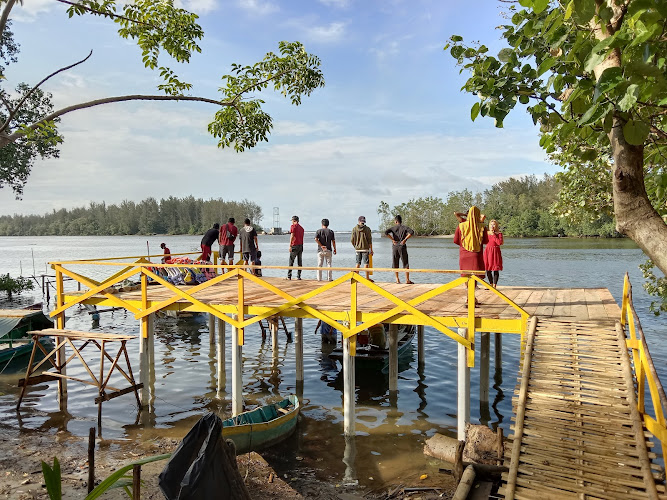
Kampung Jenggalu Kito is the kind of place that sneaks up on you. One minute you think you’re just stopping by a small local attraction, and the next thing you know, you’ve spent half the day wandering along wooden walkways, staring into mangrove roots, and chatting with locals who treat the place like an extension of their living room. It’s a mangrove-based tourist attraction, yes, but that description barely scratches the surface.

This area is built around a mangrove ecosystem that’s still very much alive and breathing. You’ll see muddy water gently moving beneath raised paths, hear birds arguing with each other overhead, and catch that earthy, salty smell that only mangroves seem to get right. And honestly, it’s calming in a way that surprised even me. I remember thinking I’d stay for 30 minutes, tops. Ended up staying long enough that the sun shifted, the light changed, and everything felt slower, softer.

Kampung Jenggalu Kito isn’t polished or overly commercial. And that’s exactly the point. It feels community-driven, like something locals built because they cared about their environment and wanted to share it, not because a big developer decided it would look good on Instagram. You’ll notice that in the small details. The simple rest areas. The handmade signs. The way kids run around freely, totally at ease, while parents sit nearby keeping half an eye on them.

Travelers who enjoy nature-based attractions, eco-tourism, or just stepping away from crowded city spots will appreciate this place. It’s good for kids too, mostly because it lets them see something real. Mangroves up close. Crabs scuttling around. Roots twisting into shapes that look almost unreal. And yes, there’s a restroom available, which sounds boring but trust me, it matters more than people admit when you’re out exploring.

Not everything here is perfect, and that’s okay. Some areas can feel a bit rustic. The paths aren’t fancy, and accessibility is limited, so travelers with mobility concerns should plan carefully. But for many visitors, those imperfections add to the charm. It feels honest. Like the place isn’t trying too hard. And that’s refreshing.

Key Features

  • Natural mangrove forest with elevated wooden walkways
  • Peaceful atmosphere with birdlife and small wildlife sightings
  • Community-managed environment that feels local and authentic
  • Restroom facilities available on-site
  • Safe and engaging environment for children to explore nature
  • Photo-worthy scenery without feeling staged or artificial
  • Educational value about mangrove ecosystems and conservation

One thing worth pointing out, especially if you’re the curious type, is how educational the experience can be without being preachy. You’ll learn just by being there. Watching how the mangroves grow. Seeing how the community interacts with the space. I once overheard a local explaining to a child why mangroves matter for preventing erosion, and it hit harder than any signboard ever could.

Best Time to Visit

The best time to visit Kampung Jenggalu Kito is during the dry season, typically when rainfall is lower and the walkways are easier to navigate. Morning is ideal. The air is cooler, the light filters beautifully through the trees, and wildlife seems more active. Plus, you avoid the harsher midday heat, which can get a bit sticky, not unbearable, but you’ll feel it.

Late afternoon can also be lovely if you’re chasing softer light and fewer people. The shadows stretch across the boardwalks, and everything slows down. It’s one of those times where you naturally lower your voice without realizing it. But try to avoid visiting after heavy rain. The area can get muddy, and while that’s part of the mangrove reality, it might limit how far you feel comfortable walking.

Weekdays tend to be quieter. On weekends or holidays, families often come by, which adds a lively feel. Neither is bad, it just depends on what you’re after. Solitude or shared energy. Personally, I like a bit of both, but that’s just me.

How to Get There

Getting to Kampung Jenggalu Kito usually involves a bit of local navigation, and that’s part of the adventure. Most travelers come by private vehicle or local transport, following directions from nearby towns or asking locals along the way. Don’t be shy about asking, by the way. People are generally happy to help, and sometimes you’ll get a mini story along with the directions.

The roads leading there may narrow as you get closer, so drive slowly and carefully. Parking is available, though it’s not designed for large tour buses. If you’re using ride-hailing services, it’s a good idea to confirm pickup arrangements in advance, as signal strength can vary. I learned that the hard way once, waiting longer than expected while watching dragonflies dance around.

Once you arrive, everything is walkable. Wear comfortable shoes you don’t mind getting a little dusty or damp. This is not the place for brand-new white sneakers. Trust me on that one.

Tips for Visiting

First tip, take your time. This isn’t a rush-through attraction. Walk slowly. Stop often. Look down into the water and up into the trees. You’ll notice more that way. Bring a reusable water bottle, especially if you’re visiting during warmer months. And insect repellent isn’t a bad idea either. Mangroves come with bugs. It’s just how nature works.

If you’re traveling with kids, let them explore, but keep an eye on them near the edges of walkways. The environment is generally safe, but it’s still nature, not a theme park. For photographers, natural light is your best friend here. Skip the flash. Early morning or late afternoon shots will reward you.

Respect the place. Sounds obvious, but it matters. Don’t litter. Don’t damage the plants. This area survives because people care for it. Being a responsible visitor keeps it open and enjoyable for the next traveler, maybe someone just like you, looking for something a little different.

And finally, talk to people. Locals, caretakers, other visitors. Some of my favorite travel memories come from random conversations, and Kampung Jenggalu Kito seems to encourage that sort of thing. You arrive as a visitor, but you often leave feeling like you were briefly part of the place. That’s rare. And worth the trip.

Key Features

  • Natural mangrove forest with elevated wooden walkways
  • Peaceful atmosphere with birdlife and small wildlife sightings
  • Community-managed environment that feels local and authentic
  • Restroom facilities available on-site
  • Safe and engaging environment for children to explore nature
  • Photo-worthy scenery without feeling staged or artificial
  • Educational value about mangrove ecosystems and conservation

More Details

Updated December 30, 2025

Description

Kampung Jenggalu Kito is the kind of place that sneaks up on you. One minute you think you’re just stopping by a small local attraction, and the next thing you know, you’ve spent half the day wandering along wooden walkways, staring into mangrove roots, and chatting with locals who treat the place like an extension of their living room. It’s a mangrove-based tourist attraction, yes, but that description barely scratches the surface.

This area is built around a mangrove ecosystem that’s still very much alive and breathing. You’ll see muddy water gently moving beneath raised paths, hear birds arguing with each other overhead, and catch that earthy, salty smell that only mangroves seem to get right. And honestly, it’s calming in a way that surprised even me. I remember thinking I’d stay for 30 minutes, tops. Ended up staying long enough that the sun shifted, the light changed, and everything felt slower, softer.

Kampung Jenggalu Kito isn’t polished or overly commercial. And that’s exactly the point. It feels community-driven, like something locals built because they cared about their environment and wanted to share it, not because a big developer decided it would look good on Instagram. You’ll notice that in the small details. The simple rest areas. The handmade signs. The way kids run around freely, totally at ease, while parents sit nearby keeping half an eye on them.

Travelers who enjoy nature-based attractions, eco-tourism, or just stepping away from crowded city spots will appreciate this place. It’s good for kids too, mostly because it lets them see something real. Mangroves up close. Crabs scuttling around. Roots twisting into shapes that look almost unreal. And yes, there’s a restroom available, which sounds boring but trust me, it matters more than people admit when you’re out exploring.

Not everything here is perfect, and that’s okay. Some areas can feel a bit rustic. The paths aren’t fancy, and accessibility is limited, so travelers with mobility concerns should plan carefully. But for many visitors, those imperfections add to the charm. It feels honest. Like the place isn’t trying too hard. And that’s refreshing.

Key Features

  • Natural mangrove forest with elevated wooden walkways
  • Peaceful atmosphere with birdlife and small wildlife sightings
  • Community-managed environment that feels local and authentic
  • Restroom facilities available on-site
  • Safe and engaging environment for children to explore nature
  • Photo-worthy scenery without feeling staged or artificial
  • Educational value about mangrove ecosystems and conservation

One thing worth pointing out, especially if you’re the curious type, is how educational the experience can be without being preachy. You’ll learn just by being there. Watching how the mangroves grow. Seeing how the community interacts with the space. I once overheard a local explaining to a child why mangroves matter for preventing erosion, and it hit harder than any signboard ever could.

Best Time to Visit

The best time to visit Kampung Jenggalu Kito is during the dry season, typically when rainfall is lower and the walkways are easier to navigate. Morning is ideal. The air is cooler, the light filters beautifully through the trees, and wildlife seems more active. Plus, you avoid the harsher midday heat, which can get a bit sticky, not unbearable, but you’ll feel it.

Late afternoon can also be lovely if you’re chasing softer light and fewer people. The shadows stretch across the boardwalks, and everything slows down. It’s one of those times where you naturally lower your voice without realizing it. But try to avoid visiting after heavy rain. The area can get muddy, and while that’s part of the mangrove reality, it might limit how far you feel comfortable walking.

Weekdays tend to be quieter. On weekends or holidays, families often come by, which adds a lively feel. Neither is bad, it just depends on what you’re after. Solitude or shared energy. Personally, I like a bit of both, but that’s just me.

How to Get There

Getting to Kampung Jenggalu Kito usually involves a bit of local navigation, and that’s part of the adventure. Most travelers come by private vehicle or local transport, following directions from nearby towns or asking locals along the way. Don’t be shy about asking, by the way. People are generally happy to help, and sometimes you’ll get a mini story along with the directions.

The roads leading there may narrow as you get closer, so drive slowly and carefully. Parking is available, though it’s not designed for large tour buses. If you’re using ride-hailing services, it’s a good idea to confirm pickup arrangements in advance, as signal strength can vary. I learned that the hard way once, waiting longer than expected while watching dragonflies dance around.

Once you arrive, everything is walkable. Wear comfortable shoes you don’t mind getting a little dusty or damp. This is not the place for brand-new white sneakers. Trust me on that one.

Tips for Visiting

First tip, take your time. This isn’t a rush-through attraction. Walk slowly. Stop often. Look down into the water and up into the trees. You’ll notice more that way. Bring a reusable water bottle, especially if you’re visiting during warmer months. And insect repellent isn’t a bad idea either. Mangroves come with bugs. It’s just how nature works.

If you’re traveling with kids, let them explore, but keep an eye on them near the edges of walkways. The environment is generally safe, but it’s still nature, not a theme park. For photographers, natural light is your best friend here. Skip the flash. Early morning or late afternoon shots will reward you.

Respect the place. Sounds obvious, but it matters. Don’t litter. Don’t damage the plants. This area survives because people care for it. Being a responsible visitor keeps it open and enjoyable for the next traveler, maybe someone just like you, looking for something a little different.

And finally, talk to people. Locals, caretakers, other visitors. Some of my favorite travel memories come from random conversations, and Kampung Jenggalu Kito seems to encourage that sort of thing. You arrive as a visitor, but you often leave feeling like you were briefly part of the place. That’s rare. And worth the trip.

Key Highlights

  • Natural mangrove forest with elevated wooden walkways
  • Peaceful atmosphere with birdlife and small wildlife sightings
  • Community-managed environment that feels local and authentic
  • Restroom facilities available on-site
  • Safe and engaging environment for children to explore nature
  • Photo-worthy scenery without feeling staged or artificial
  • Educational value about mangrove ecosystems and conservation

Location

Places to Stay Near Kampung Jenggalu Kito

Find and Book a Tour

Explore More Travel Guides

No reviews found! Be the first to review!

Traveler Reviews for Kampung Jenggalu Kito

There are no reviews yet. Be the first one to write one.

Share Your Experience

Have you visited Kampung Jenggalu Kito? Help other travelers by sharing your review.

Find Accommodations Nearby

Recommended Tours & Activities

Visitor Reviews

There are no reviews yet. Be the first one to write one.

Share Your Experience

Have you visited Kampung Jenggalu Kito? Help other travelers by leaving a review.