Description
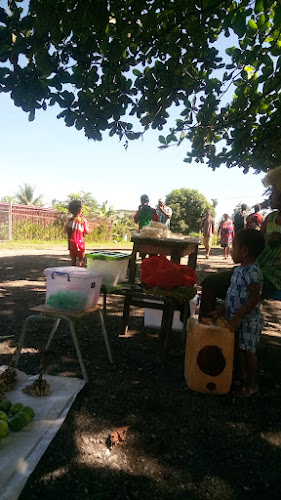
Kamkumung Market stands as one of Lae’s most authentic community marketplaces, serving over ten thousand residents in the Morobe Province of Papua New Guinea. This local fresh food market has been the economic heartbeat of the Kamkumung settlement for more than two decades, and honestly, it shows both the character that comes with age and the challenges that accompany it.
What makes this market particularly interesting is its recent transformation. After years of vendors selling their produce under makeshift shelters and enduring Papua New Guinea’s unpredictable weather, the market received a significant upgrade thanks to market owner Samson Timson’s partnership with Atlas Steel PNG. The project, costing over one hundred thousand Kina, brought proper shelter facilities that fundamentally changed how business operates here.
But let’s be real about what you’ll encounter. This isn’t your polished, tourist-friendly market experience. Kamkumung Market is raw, authentic community commerce at its most genuine. The vendors here aren’t putting on a show for visitors – they’re conducting serious business that feeds families and sustains livelihoods. And that authenticity comes with both rewards and challenges for travelers.
The market’s location within the Kamkumung settlement means you’re stepping into a genuine Papua New Guinean community experience. You’ll find yourself surrounded by locals conducting their daily shopping, children playing nearby, and the constant hum of Tok Pisin conversations mixing with various local languages. It’s this unfiltered glimpse into daily PNG life that makes the market compelling for travelers seeking authentic cultural experiences.
Key Features
The market offers several distinctive elements that set it apart from more commercialized marketplaces:
- Fresh tropical produce direct from local gardens – vendors bring fruits and vegetables harvested from their own plots, ensuring incredible freshness
- Newly constructed shelter facilities – the recent infrastructure upgrade means vendors can operate in proper covered areas
- Community-owned and operated structure – unlike corporate markets, this remains entirely within local community control
- Authentic pricing for locals – prices reflect what community members actually pay, not tourist-inflated rates
- Traditional bartering opportunities – many transactions still involve negotiation and trade rather than fixed pricing
- Seasonal specialties from highland gardens – vendors often bring unique produce from different elevation zones around Lae
- Limited accessibility infrastructure – the market lacks wheelchair-accessible entrances and parking, reflecting its community-focused rather than tourist-oriented development
- Multi-generational vendor families – many stalls are run by families who’ve been trading here for decades
Best Time to Visit
Timing your visit to Kamkumung Market requires understanding the rhythm of local life rather than tourist convenience. The market operates on community schedules, which means early mornings typically offer the best experience.
Between 6:00 and 9:00 AM, you’ll find the freshest selection and the most active trading atmosphere. This is when vendors arrive with produce picked that morning or the previous evening, and when local families do their serious shopping before the day heats up. The energy during these hours is incredible – there’s this sense of purpose and community interaction that you simply won’t find later in the day.
Avoid visiting during the hottest part of the day, typically between 11:00 AM and 2:00 PM. Even with the new shelter facilities, Papua New Guinea’s tropical heat makes shopping uncomfortable during peak sun hours. Plus, the freshest items will already be sold, leaving mostly picked-over produce.
Weekends, particularly Saturday mornings, bring the largest crowds and widest selection. But this also means more competition for the best items and potentially higher prices due to increased demand. If you prefer a calmer experience with more opportunities for genuine interaction, weekday mornings work better.
Weather considerations matter significantly. During Papua New Guinea’s wet season, market conditions can become challenging even with improved shelter facilities. But there’s something authentically beautiful about shopping while tropical rain drums on the metal roof above – it’s pure PNG atmosphere.
How to Get There
Reaching Kamkumung Market requires navigating Lae’s local transportation network, which can be an adventure in itself. The market sits within the Kamkumung settlement area, accessible by various local transport options.
Public motor vehicles (PMVs) – Papua New Guinea’s version of public buses – service the route to Kamkumung settlement. Look for PMVs heading toward the Kamkumung area from Lae’s main transport hubs. The ride typically costs between 2-4 Kina depending on your starting point, and drivers usually know the market location well enough to drop you nearby.
Taxi services can provide more direct access, though you’ll pay significantly more than public transport. Expect to negotiate the fare beforehand, and don’t be surprised if drivers aren’t immediately familiar with “Kamkumung Market” – describing it as “the market in Kamkumung settlement” often works better.
Walking from central Lae is possible but requires good navigation skills and awareness of local conditions. The route takes you through residential areas that offer interesting cultural observations but may feel challenging for visitors unfamiliar with Papua New Guinea’s urban environments.
If you’re staying at hotels in central Lae, reception staff can often arrange transport or provide specific directions for your preferred transport method. They understand local navigation better than most GPS systems, which can be unreliable in PNG’s more residential areas.
Remember that parking infrastructure remains limited if you’re driving independently. The market’s community-focused development prioritized vendor space over visitor parking, so plan accordingly.
Tips for Visiting
Visiting Kamkumung Market successfully requires preparation and cultural sensitivity. This isn’t a tourist attraction – it’s a working community marketplace where your behavior directly impacts local relationships and commerce.
Bring small denomination Kina notes and coins. Vendors often lack change for large bills, and paying with appropriate denominations shows respect for local business practices. Having exact change also speeds up transactions and demonstrates that you understand how local commerce operates.
Photography requires extreme sensitivity. Never photograph vendors, customers, or transactions without explicit permission. Even then, consider whether your photography serves the community or just your social media feed. Many locals appreciate respectful visitors but understandably dislike being treated as tourist curiosities.
Language barriers exist but shouldn’t intimidate you. Most vendors speak some English alongside Tok Pisin and local languages. Simple English combined with pointing, smiling, and basic courtesy works remarkably well. Learning a few Tok Pisin greetings like “moning” (morning) shows respect and often opens friendly conversations.
Dress appropriately for a community setting. Conservative, practical clothing that covers shoulders and knees respects local customs while protecting you from sun and potential rain. Comfortable walking shoes are essential – market floors can be uneven, and you’ll be standing and walking significantly.
Bargaining exists but shouldn’t be aggressive. Prices are generally fair for the quality and community context. Excessive haggling over small amounts can be disrespectful given the economic realities vendors face. A friendly negotiation is fine; demanding unreasonable discounts is not.
Consider the community impact of your visit. Purchase items you’ll actually use rather than buying for the sake of supporting vendors with things you’ll throw away. Genuine economic exchange benefits everyone more than charity-motivated purchases that create waste.
Safety awareness matters without paranoia. Stay aware of your surroundings, keep valuables secure, and trust your instincts about situations or interactions that feel uncomfortable. Most visitors experience no problems, but basic urban awareness always makes sense.
Plan for limited facilities. Don’t expect public restrooms, ATMs, or other tourist infrastructure. Handle these needs before arriving, and bring any personal items you might require during your visit.