Description
Joroku Temple, often referred to as Joroku-ji or Temple 14 of the Shikoku pilgrimage route, is a quiet gem tucked between the rolling hills of Tokushima Prefecture in Japan. It’s one of those Buddhist temples that doesn’t scream for attention but rather gently invites you in. The temple belongs to the Shingon Buddhism sect, a tradition deeply rooted in Japanese spirituality and introduced by the revered monk Kobo Daishi, who also established the famous 88 Temple pilgrimage across Shikoku Island. Anyone walking this sacred journey – the Shikoku Henro, as it’s called – will eventually find themselves stopping here for reflection.
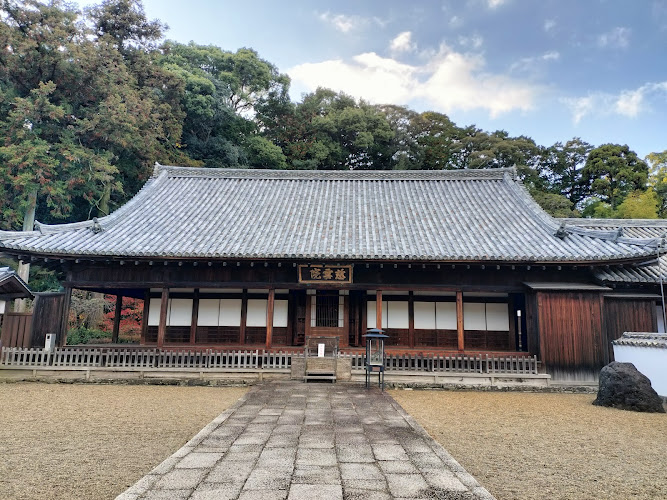
Visitors stepping through the temple gate will immediately feel the shift in atmosphere, like entering a bubble of stillness. The main hall, home to a massive statue of Buddha, exudes a sense of quiet reverence. There’s a faint scent of incense always hanging in the air, and the murmuring of pilgrims reciting their prayers adds to the rhythm of the place. Personally, the first time I visited this temple, I remember pausing longer than usual. It wasn’t because it was particularly grand or ornate – in fact, that’s what makes it special. It’s the understated beauty in the old wooden beams, the rough textured stone paths, and the way moss clings to statues that gives it soul.
In autumn, Joroku Temple becomes a small spectacle of natural artistry. The surrounding trees catch fire with shades of orange and red, reflecting off stone lanterns and temple roofs. People often bring their cameras, but somehow, the photos never quite capture the way light and shadow play across the courtyard. Winters are simple and calm with a thin layer of frost sometimes adorning the grounds, while spring ushers in soft floral colors. So really, every season lends the temple its own personality.
Even though the temple doesn’t have modern accessibility features like a wheelchair-friendly entrance or parking, the path leading to it is quite manageable for most visitors. And yes, there’s a small restroom tucked toward the back near the side gate, which is a welcome sight if you’ve been walking a long stretch of the pilgrimage trail. The area surrounding Joroku-ji is rustic and beautifully quiet, with a handful of traditional Japanese homes nearby and the distant echo of cicadas in summer. This lack of commercialization is precisely what keeps the experience authentic.
What strikes many first-time visitors is the scale. Joroku Temple isn’t large compared to other temples in the Shikoku circuit. It’s humble. But maybe that humility is the very reason it lingers in memory longer. I often compare it to a quiet conversation with an old friend – unassuming but meaningful. You can stand before the Buddha statue, trace your fingers lightly against the rough wood of the main hall pillars, and suddenly find yourself wondering how many pilgrims before you have done the same.
Over centuries, this temple has survived earthquakes, fires, and rebuilds. Much of its present structure reflects Edo Period design – nothing too lavish, but strong and timeless. That continuity adds depth. You’re not just visiting a building; you’re stepping into an unbroken line of faith that’s carried on for over a thousand years. For travelers interested in Japanese history, culture, or spirituality, Joroku Temple is one of those subtle highlights that make a long journey through Tokushima feel profoundly worthwhile.
Key Features
- Main Hall: Houses the large Buddha statue that gives the temple its name “Joroku,” referring to the size proportion of the Buddha figure.
- Shikoku Pilgrimage Stop: Recognized as Temple 14 on the 88 Temple route, an important pause for pilgrims walking this spiritual circuit.
- Autumn Colors: The fall foliage surrounding the temple grounds is especially stunning, making this a favorite photographic stop.
- Kobo Daishi Connection: Said to have been visited or influenced by the founder of Shingon Buddhism, Kobo Daishi, which enhances its spiritual significance.
- Traditional Architecture: Features authentic Edo period wooden construction, complete with carved beams and moss-covered stone lanterns.
- Peaceful Surroundings: Tucked amid low hills and rice fields, offering a natural serenity rare in more urban temples.
- Cultural Experience: Invites visitors to immerse themselves in centuries-old prayer rituals, temple seals (goshuin), and local customs of the henro pilgrim path.
Best Time to Visit
While Joroku Temple is open year-round, the best time to visit depends on what you’re hoping to experience. Autumn is undeniably breathtaking. From late October through early December, the maple trees ignite in orange, amber, and red, turning the temple courtyard into an impressionist painting. It’s that kind of beauty that makes you forget your phone for a bit and just stare. I’d argue it’s the most picturesque time for photographers and nature lovers.
Spring, on the other hand, brings quieter charm. The air feels fresh and clean, cherry blossoms dot the nearby countryside, and the pilgrimage route buzzes softly with returning walkers. It’s a peaceful time to start or pause your journey if you’re doing the Shikoku Pilgrimage. Summer can be hot and humid – this is Japan, after all – but for those who thrive on physical challenges, that’s part of the authentic henro experience. You’ll share the path with pilgrims wearing traditional white robes and straw hats, their wooden walking sticks tapping steadily along the route.
Winter is the least crowded season. The cold keeps many visitors away, which means you can enjoy the silence almost to yourself. On a clear day, the distant mountains frame the temple with an ethereal quiet. So, really, there isn’t a “wrong” time to visit. Just different moods of the same sacred place.
How to Get There
Joroku Temple sits within easy reach of Tokushima City, making it accessible for both devoted pilgrims and casual travelers seeking a day trip. If you’re traveling by train, the nearest major hub is the Tokushima Station. From there, you can catch a local bus toward the Jorokucho area, which takes about 40 minutes depending on the route and time of day. The bus stop is a short walk from the temple gates – about ten minutes if you’re taking your time admiring the quiet streets.
For those traveling by car, the drive from Tokushima City to the temple is roughly 40 minutes on local roads that wind gently through small towns and lush countryside. Keep an eye out for local signboards indicating stops along the Shikoku pilgrimage; they make helpful landmarks. Parking near the temple is limited, though, so early arrival is smart, particularly during autumn foliage season or spring weekends when visitors tend to cluster.
One of the joys of traveling through Tokushima Prefecture is how the journey itself becomes part of the experience. And walking pilgrims will appreciate that Joroku Temple lies along a relatively gentle section of the Shikoku pilgrimage route. The trail leading toward the next temple provides peaceful moments between ancient pines and occasional encounters with friendly locals who might offer you tea or simple encouragement. For many, it’s these small human connections that make the pilgrimage through Japan’s Buddhist temples both spiritual and heartwarming.
Tips for Visiting
A trip to Joroku Temple isn’t just sightseeing – it’s about soaking up atmosphere and feeling time slow down. To make the most of it, here are a few honest tips based on experience:
- Take your time: Don’t rush. This isn’t a place to check off a list. Sit on a bench, listen to the rustle of trees, and just let the stillness grow on you.
- Respect pilgrim customs: You’ll see people dressed in white robes (henro). They are walking the entire Shikoku pilgrimage route, which spans over 1,200 km and takes about two months to complete. Give them space and offer a kind greeting – it means a lot.
- Bring cash: Most rural temples in Tokushima don’t accept cards, so if you want to buy temple seals or leave offerings, bring small yen notes or coins.
- Wear comfortable shoes: The temple grounds are uneven, with gravel and stone paths. Sneakers or sturdy shoes make exploration more comfortable.
- Attend early or late in the day: Morning sunlight gives the temple’s wood a golden glow, and late afternoon creates longer, softer shadows. Both times are magical for photos and quiet reflection.
- Stay hydrated in summer: The heat can creep up quickly in Tokushima. Carry a bottle of water, even for a short walk between nearby temples.
- Be mindful of facilities: There’s a small restroom available but not many food stalls nearby, so plan meals before or after your visit.
One last piece of advice – if you have time, explore a bit beyond the temple grounds. There are a few local shrines and smaller Buddhist temples in neighboring areas, each carrying its own slice of history along the Shikoku pilgrimage trail. I once stumbled upon an old farmer offering sweet persimmons to weary travelers, and that small act of kindness stuck with me longer than any postcard ever could.
In the end, Joroku Temple in Tokushima isn’t about grandeur. It’s about connection – to history, to quiet moments, and maybe even to yourself. Whether you visit as a pilgrim or a curious traveler, it’s an experience that lingers softly, long after you’ve continued on your way.