Jianyuan Garden
About Jianyuan Garden
Description
Jianyuan Garden presents itself as one of those places that doesn't scream for attention but quietly rewards those who take the time to discover it. This tourist attraction manages to capture a sense of traditional Chinese garden design while remaining accessible to modern travelers who might not have hours to dedicate to garden wandering. The space offers visitors a chance to step away from the usual tourist rush and experience something a bit more contemplative. What strikes most people about Jianyuan Garden is its intentional approach to landscape design. You'll find carefully arranged rocks, pavilions that seem to have been placed with mathematical precision, and water features that actually serve a purpose beyond just looking pretty. The garden follows classical principles that date back centuries, though it doesn't feel like you're walking through a museum exhibit. There's life here—locals practicing tai chi in the morning, families taking weekend strolls, and the occasional photographer trying to capture that perfect shot of light filtering through the trees. I've always found that Chinese gardens have this way of making you slow down whether you want to or not. And Jianyuan Garden is no exception. The pathways wind in ways that prevent you from rushing through, and just when you think you've seen everything, you'll turn a corner and discover another courtyard or viewing platform you somehow missed. It's the kind of place that reveals itself gradually, which honestly can be frustrating if you're on a tight schedule but becomes enchanting if you give yourself permission to wander without a plan. The garden's design incorporates traditional elements like moon gates, zigzag bridges, and carefully positioned viewing stones that Chinese garden designers have been perfecting for literally hundreds of years. But don't let that intimidate you—you don't need a degree in landscape architecture to appreciate what's happening here. Sometimes a nice garden is just a nice garden, though understanding a bit of the symbolism definitely adds another layer to the experience.Key Features
The attractions within Jianyuan Garden offer visitors several noteworthy elements worth seeking out during their visit:- Traditional Pavilions: Multiple covered structures positioned throughout the garden that serve as perfect rest spots and viewing platforms. These aren't just decorative—they're actually functional spaces where you can sit and contemplate the surrounding landscape like garden visitors have done for centuries.
- Water Features and Ponds: Carefully designed water elements that incorporate koi fish, lotus plants, and reflective surfaces that double the visual impact of the surrounding architecture. The ponds aren't massive, but they're positioned strategically to create those classic mirror-like reflections that Chinese gardens are known for.
- Rock Arrangements: Scholars' rocks and carefully placed stone formations that demonstrate the traditional Chinese appreciation for natural forms. Some of these rocks have probably been repositioned a dozen times until they achieved exactly the right aesthetic balance.
- Winding Pathways: Meandering walkways designed to slow your pace and create constantly changing viewpoints as you move through the space. The paths are well-maintained and accessible for most visitors, though some areas might challenge those with mobility issues.
- Classical Architecture: Buildings and structures that showcase traditional Chinese architectural elements including curved rooflines, wooden lattice work, and painted details that have held up surprisingly well.
- Seasonal Plantings: Trees, shrubs, and flowers selected not just for beauty but for their symbolic meanings and seasonal interest. You'll see different aspects of the garden depending on when you visit, which gives people a reason to return multiple times.
- Restroom Facilities: Modern amenities that make extended visits more comfortable, especially important for families traveling with children.
- Family-Friendly Layout: The garden's design accommodates visitors of all ages without requiring extensive hiking or physical exertion. Kids can explore without parents worrying they'll disappear around every corner.
Best Time to Visit
Timing your visit to Jianyuan Garden can make the difference between a pleasant stroll and a truly memorable experience. Early morning visits, particularly around 7-9 AM, offer something special that later arrivals miss entirely. You'll encounter local residents using the space for their daily exercise routines—tai chi practitioners, people doing traditional fan dances, and elderly folks taking their morning constitutional. There's an authenticity to these early hours that disappears once the tourist groups start arriving. Spring brings the garden to life in ways that other seasons simply can't match. Flowering trees burst into bloom, and the whole place takes on this renewed energy that makes you understand why classical Chinese poets got so worked up about seasonal changes. March through May generally provides ideal weather conditions without the oppressive heat that comes later. But here's the thing—spring also brings crowds, especially during local holidays and weekends. Autumn represents another prime visiting window. September through November offers comfortable temperatures and the added bonus of fall foliage that transforms the garden's color palette. The crowds thin out compared to spring, and you'll have an easier time finding quiet corners for reflection or photography. I've heard from multiple visitors that autumn mornings in the garden have this crisp quality that makes the whole experience feel more vivid. Summer can be brutal, honestly. The heat and humidity turn what should be a relaxing garden visit into an endurance test. If you must visit during June through August, plan for early morning or late afternoon when temperatures become more bearable. The garden does provide shaded areas, but you're still going to be outside in conditions that aren't ideal for extended wandering. Winter offers the least crowded experience but requires accepting that the garden won't be at its most photogenic. Bare trees and dormant plants create a more austere landscape that some visitors find disappointing. However, if you appreciate minimalist aesthetics, winter reveals the garden's structural bones in ways that lush growing seasons hide. Weekday visits almost always provide a better experience than weekend trips. The difference in crowd levels can be dramatic, particularly during nice weather. If your schedule allows flexibility, Tuesday through Thursday typically offer the most peaceful visiting conditions.How to Get There
Reaching Jianyuan Garden requires a bit of planning, but the journey isn't overly complicated once you understand your options. Public transportation provides the most straightforward approach for most travelers, though specific routes depend on your starting location within the city. Metro systems in major Chinese cities generally get you within reasonable walking distance of most attractions, and Jianyuan Garden follows this pattern. Research the nearest metro station before your visit and plan accordingly. The walk from the station to the garden entrance usually takes 10-15 minutes depending on your pace and how often you stop to get your bearings. Taxis and ride-sharing services offer door-to-door convenience that appeals to travelers who'd rather not navigate public transit in an unfamiliar city. Most drivers will recognize the garden's name when spoken in Mandarin, though having the destination written in Chinese characters on your phone helps avoid communication mishaps. The ride-sharing apps popular in China work remarkably well once you've set them up, and they eliminate the language barrier that sometimes complicates taxi rides. Bus routes serve the area around Jianyuan Garden, providing the most economical transportation option for budget-conscious travelers. However, bus systems can be confusing for visitors who don't read Chinese characters or understand local route patterns. If you're adventurous and enjoy figuring out local transit systems, buses work fine. For everyone else, stick with the metro or taxis. Driving yourself becomes an option if you've rented a car and feel confident navigating Chinese traffic patterns. Parking availability near the garden varies depending on the day and season. Don't assume you'll find convenient parking during busy periods. And honestly, unless you're planning a multi-stop itinerary that requires a vehicle, the hassle of driving in an unfamiliar city outweighs the benefits. Walking to the garden works perfectly if you're staying in the immediate area. Some travelers specifically choose accommodations within walking distance to avoid transportation logistics entirely. This approach gives you maximum flexibility for timing your visits, especially if you want to catch those special early morning hours.Tips for Visiting
Arriving prepared makes any attraction visit more enjoyable, and Jianyuan Garden is no exception. Comfortable walking shoes rank as the single most important item to bring. You'll be on your feet more than you probably anticipate, and those cute sandals or dress shoes that seemed fine in your hotel room will betray you halfway through your visit. Bring water, especially during warmer months. While the garden may have facilities nearby, staying hydrated shouldn't depend on finding a vendor at the right moment. A refillable water bottle solves this problem completely and saves you money in the process. Photography enthusiasts should plan for morning or late afternoon light to capture the garden at its best. Harsh midday sun creates difficult exposure situations and washes out the subtle colors that make garden photography appealing. And please, for the love of everything holy, watch where you're walking while framing that perfect shot. I've seen too many people nearly trip over rocks or walk into ponds because they were staring at their camera screen. The restroom facilities mentioned in the amenities deserve appreciation—use them strategically before you think you need them. Once you're deep into exploring the far reaches of the garden, you don't want to discover an urgent need that requires backtracking to the entrance area. Families traveling with children should set realistic expectations about attention spans and walking distances. The garden is kid-friendly, but that doesn't mean every child will find it endlessly fascinating. Bring small snacks or activities that can provide brief distractions if younger visitors get restless. The ponds and fish usually hold kids' attention better than architectural details. Cash still matters in some situations, even in increasingly digital China. While major payment platforms dominate daily transactions, having some local currency provides a backup if you want to buy something from a vendor who doesn't accept cards or foreign payment apps. Learn a few basic phrases in Mandarin or have a translation app ready on your phone. English isn't universally spoken, and being able to communicate basic questions or requests makes everything easier. Even butchered Mandarin pronunciation usually gets appreciated more than assuming everyone should speak your language. Respect the space and other visitors by keeping noise levels reasonable and staying on designated paths. These gardens were designed with specific sight lines and viewing experiences in mind, and trampling through planted areas to get a better photo angle damages the very thing you came to see. Besides, locals using the garden for their daily routines didn't come there to hear loud tourist groups disrupting the peaceful atmosphere. Check if any special events or closures might affect your planned visit. Gardens sometimes host cultural events, private functions, or undergo maintenance that limits public access. A quick verification before you travel across the city prevents disappointing discoveries at the entrance gate. Finally, give yourself more time than you think you'll need. Jianyuan Garden rewards slow exploration and repeated viewing from different angles. Rushing through defeats the entire purpose of visiting a space designed to encourage contemplation and aesthetic appreciation. If you've only got thirty minutes, you'll see the garden. But if you allow a couple hours, you'll actually experience it, which makes the trip worthwhile in the first place.Key Features
- Traditional Chinese courtyard and pavilion architecture
- Small scenic pond with stone bridges and carp
- Ornamental plantings and seasonal flowers
- Latticed windows, carved woodwork and calligraphic plaques
- Proximity to Shichahai hutongs and lakeside promenades
More Details
Updated January 17, 2026
Table of Contents
Description
Jianyuan Garden presents itself as one of those places that doesn’t scream for attention but quietly rewards those who take the time to discover it. This tourist attraction manages to capture a sense of traditional Chinese garden design while remaining accessible to modern travelers who might not have hours to dedicate to garden wandering. The space offers visitors a chance to step away from the usual tourist rush and experience something a bit more contemplative.
What strikes most people about Jianyuan Garden is its intentional approach to landscape design. You’ll find carefully arranged rocks, pavilions that seem to have been placed with mathematical precision, and water features that actually serve a purpose beyond just looking pretty. The garden follows classical principles that date back centuries, though it doesn’t feel like you’re walking through a museum exhibit. There’s life here—locals practicing tai chi in the morning, families taking weekend strolls, and the occasional photographer trying to capture that perfect shot of light filtering through the trees.
I’ve always found that Chinese gardens have this way of making you slow down whether you want to or not. And Jianyuan Garden is no exception. The pathways wind in ways that prevent you from rushing through, and just when you think you’ve seen everything, you’ll turn a corner and discover another courtyard or viewing platform you somehow missed. It’s the kind of place that reveals itself gradually, which honestly can be frustrating if you’re on a tight schedule but becomes enchanting if you give yourself permission to wander without a plan.
The garden’s design incorporates traditional elements like moon gates, zigzag bridges, and carefully positioned viewing stones that Chinese garden designers have been perfecting for literally hundreds of years. But don’t let that intimidate you—you don’t need a degree in landscape architecture to appreciate what’s happening here. Sometimes a nice garden is just a nice garden, though understanding a bit of the symbolism definitely adds another layer to the experience.
Key Features
The attractions within Jianyuan Garden offer visitors several noteworthy elements worth seeking out during their visit:
- Traditional Pavilions: Multiple covered structures positioned throughout the garden that serve as perfect rest spots and viewing platforms. These aren’t just decorative—they’re actually functional spaces where you can sit and contemplate the surrounding landscape like garden visitors have done for centuries.
- Water Features and Ponds: Carefully designed water elements that incorporate koi fish, lotus plants, and reflective surfaces that double the visual impact of the surrounding architecture. The ponds aren’t massive, but they’re positioned strategically to create those classic mirror-like reflections that Chinese gardens are known for.
- Rock Arrangements: Scholars’ rocks and carefully placed stone formations that demonstrate the traditional Chinese appreciation for natural forms. Some of these rocks have probably been repositioned a dozen times until they achieved exactly the right aesthetic balance.
- Winding Pathways: Meandering walkways designed to slow your pace and create constantly changing viewpoints as you move through the space. The paths are well-maintained and accessible for most visitors, though some areas might challenge those with mobility issues.
- Classical Architecture: Buildings and structures that showcase traditional Chinese architectural elements including curved rooflines, wooden lattice work, and painted details that have held up surprisingly well.
- Seasonal Plantings: Trees, shrubs, and flowers selected not just for beauty but for their symbolic meanings and seasonal interest. You’ll see different aspects of the garden depending on when you visit, which gives people a reason to return multiple times.
- Restroom Facilities: Modern amenities that make extended visits more comfortable, especially important for families traveling with children.
- Family-Friendly Layout: The garden’s design accommodates visitors of all ages without requiring extensive hiking or physical exertion. Kids can explore without parents worrying they’ll disappear around every corner.
Best Time to Visit
Timing your visit to Jianyuan Garden can make the difference between a pleasant stroll and a truly memorable experience. Early morning visits, particularly around 7-9 AM, offer something special that later arrivals miss entirely. You’ll encounter local residents using the space for their daily exercise routines—tai chi practitioners, people doing traditional fan dances, and elderly folks taking their morning constitutional. There’s an authenticity to these early hours that disappears once the tourist groups start arriving.
Spring brings the garden to life in ways that other seasons simply can’t match. Flowering trees burst into bloom, and the whole place takes on this renewed energy that makes you understand why classical Chinese poets got so worked up about seasonal changes. March through May generally provides ideal weather conditions without the oppressive heat that comes later. But here’s the thing—spring also brings crowds, especially during local holidays and weekends.
Autumn represents another prime visiting window. September through November offers comfortable temperatures and the added bonus of fall foliage that transforms the garden’s color palette. The crowds thin out compared to spring, and you’ll have an easier time finding quiet corners for reflection or photography. I’ve heard from multiple visitors that autumn mornings in the garden have this crisp quality that makes the whole experience feel more vivid.
Summer can be brutal, honestly. The heat and humidity turn what should be a relaxing garden visit into an endurance test. If you must visit during June through August, plan for early morning or late afternoon when temperatures become more bearable. The garden does provide shaded areas, but you’re still going to be outside in conditions that aren’t ideal for extended wandering.
Winter offers the least crowded experience but requires accepting that the garden won’t be at its most photogenic. Bare trees and dormant plants create a more austere landscape that some visitors find disappointing. However, if you appreciate minimalist aesthetics, winter reveals the garden’s structural bones in ways that lush growing seasons hide.
Weekday visits almost always provide a better experience than weekend trips. The difference in crowd levels can be dramatic, particularly during nice weather. If your schedule allows flexibility, Tuesday through Thursday typically offer the most peaceful visiting conditions.
How to Get There
Reaching Jianyuan Garden requires a bit of planning, but the journey isn’t overly complicated once you understand your options. Public transportation provides the most straightforward approach for most travelers, though specific routes depend on your starting location within the city.
Metro systems in major Chinese cities generally get you within reasonable walking distance of most attractions, and Jianyuan Garden follows this pattern. Research the nearest metro station before your visit and plan accordingly. The walk from the station to the garden entrance usually takes 10-15 minutes depending on your pace and how often you stop to get your bearings.
Taxis and ride-sharing services offer door-to-door convenience that appeals to travelers who’d rather not navigate public transit in an unfamiliar city. Most drivers will recognize the garden’s name when spoken in Mandarin, though having the destination written in Chinese characters on your phone helps avoid communication mishaps. The ride-sharing apps popular in China work remarkably well once you’ve set them up, and they eliminate the language barrier that sometimes complicates taxi rides.
Bus routes serve the area around Jianyuan Garden, providing the most economical transportation option for budget-conscious travelers. However, bus systems can be confusing for visitors who don’t read Chinese characters or understand local route patterns. If you’re adventurous and enjoy figuring out local transit systems, buses work fine. For everyone else, stick with the metro or taxis.
Driving yourself becomes an option if you’ve rented a car and feel confident navigating Chinese traffic patterns. Parking availability near the garden varies depending on the day and season. Don’t assume you’ll find convenient parking during busy periods. And honestly, unless you’re planning a multi-stop itinerary that requires a vehicle, the hassle of driving in an unfamiliar city outweighs the benefits.
Walking to the garden works perfectly if you’re staying in the immediate area. Some travelers specifically choose accommodations within walking distance to avoid transportation logistics entirely. This approach gives you maximum flexibility for timing your visits, especially if you want to catch those special early morning hours.
Tips for Visiting
Arriving prepared makes any attraction visit more enjoyable, and Jianyuan Garden is no exception. Comfortable walking shoes rank as the single most important item to bring. You’ll be on your feet more than you probably anticipate, and those cute sandals or dress shoes that seemed fine in your hotel room will betray you halfway through your visit.
Bring water, especially during warmer months. While the garden may have facilities nearby, staying hydrated shouldn’t depend on finding a vendor at the right moment. A refillable water bottle solves this problem completely and saves you money in the process.
Photography enthusiasts should plan for morning or late afternoon light to capture the garden at its best. Harsh midday sun creates difficult exposure situations and washes out the subtle colors that make garden photography appealing. And please, for the love of everything holy, watch where you’re walking while framing that perfect shot. I’ve seen too many people nearly trip over rocks or walk into ponds because they were staring at their camera screen.
The restroom facilities mentioned in the amenities deserve appreciation—use them strategically before you think you need them. Once you’re deep into exploring the far reaches of the garden, you don’t want to discover an urgent need that requires backtracking to the entrance area.
Families traveling with children should set realistic expectations about attention spans and walking distances. The garden is kid-friendly, but that doesn’t mean every child will find it endlessly fascinating. Bring small snacks or activities that can provide brief distractions if younger visitors get restless. The ponds and fish usually hold kids’ attention better than architectural details.
Cash still matters in some situations, even in increasingly digital China. While major payment platforms dominate daily transactions, having some local currency provides a backup if you want to buy something from a vendor who doesn’t accept cards or foreign payment apps.
Learn a few basic phrases in Mandarin or have a translation app ready on your phone. English isn’t universally spoken, and being able to communicate basic questions or requests makes everything easier. Even butchered Mandarin pronunciation usually gets appreciated more than assuming everyone should speak your language.
Respect the space and other visitors by keeping noise levels reasonable and staying on designated paths. These gardens were designed with specific sight lines and viewing experiences in mind, and trampling through planted areas to get a better photo angle damages the very thing you came to see. Besides, locals using the garden for their daily routines didn’t come there to hear loud tourist groups disrupting the peaceful atmosphere.
Check if any special events or closures might affect your planned visit. Gardens sometimes host cultural events, private functions, or undergo maintenance that limits public access. A quick verification before you travel across the city prevents disappointing discoveries at the entrance gate.
Finally, give yourself more time than you think you’ll need. Jianyuan Garden rewards slow exploration and repeated viewing from different angles. Rushing through defeats the entire purpose of visiting a space designed to encourage contemplation and aesthetic appreciation. If you’ve only got thirty minutes, you’ll see the garden. But if you allow a couple hours, you’ll actually experience it, which makes the trip worthwhile in the first place.
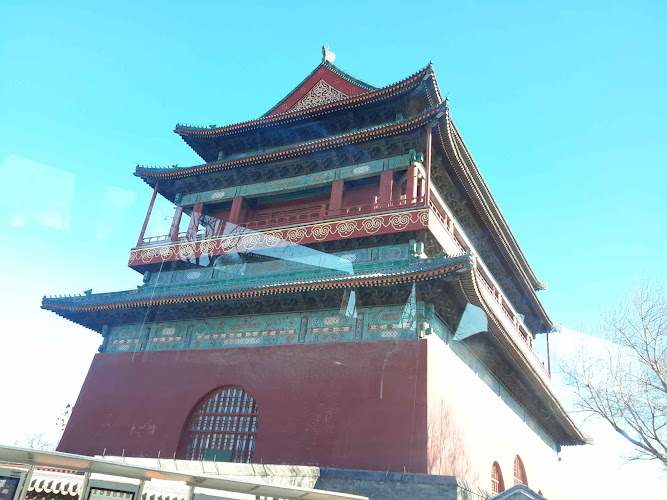
Key Highlights
- Traditional Chinese courtyard and pavilion architecture
- Small scenic pond with stone bridges and carp
- Ornamental plantings and seasonal flowers
- Latticed windows, carved woodwork and calligraphic plaques
- Proximity to Shichahai hutongs and lakeside promenades
Location
Places to Stay Near Jianyuan Garden
Find and Book a Tour
Explore More Travel Guides
No reviews found! Be the first to review!
Traveler Reviews for Jianyuan Garden
There are no reviews yet. Be the first one to write one.
Have you visited Jianyuan Garden? Help other travelers by sharing your review.
Nearby Attractions
Find Accommodations Nearby
Recommended Tours & Activities
Visitor Reviews
There are no reviews yet. Be the first one to write one.
Share Your Experience
Have you visited Jianyuan Garden? Help other travelers by leaving a review.
