
Jetty Ghat Point
About Jetty Ghat Point
Waterbuses for Chattogram air passengers from next week | The Business Standard
## Jetty Ghat Point (Chattogram, Bangladesh): what you can verify, and why this riverside zone matters
If you’re mapping out Jetty Ghat Point on Jetty Ghat Road, Chattogram 4204, Bangladesh, the most important thing to know up front is this: online, independently verifiable information specifically labeled “Jetty Ghat Point” is thin. That’s not unusual in port cities, where pins and local names evolve faster than formal listings.
What is well-documented is the broader setting you’re stepping into: Chattogram is Bangladesh’s main port city, and the Port of Chittagong sits on the banks/estuary area of the Karnaphuli River, handling the majority share of the country’s export–import trade.
So rather than pretending Jetty Ghat Point is a single “attraction” with fixed opening hours and a tidy storyline, this guide treats it the way experienced travelers use it in real life: as a geographic anchor for exploring Chattogram’s riverfront/jetty ecosystem—where ferries, small craft, and port infrastructure shape the city’s daily rhythm.
—
– Place name: Jetty Ghat Point
– Address: Jetty Ghat Road, Chattogram 4204, Bangladesh
– Coordinates: 22.358227, 91.7826586
– Category: Tourist attraction (as tagged in your record)
(I’m repeating these exactly as provided, because they’re the only details here that are fully deterministic.)
—
## What’s reliably true about the area you’re visiting
### Chattogram is a port city shaped by the Karnaphuli
The Port of Chittagong is Bangladesh’s main seaport and is located on the Karnaphuli River in Chattogram. Multiple references describe the port’s river setting and strategic significance, including Banglapedia’s overview and broader summaries.
### “Ghat/jetty” zones are active transport + working waterfronts
In Chattogram, “ghat” commonly refers to a landing/steps/terminal area by water. One prominent, documented example is Sadarghat, referenced in reporting about waterbus operations between city terminals and the airport zone.
Even if “Jetty Ghat Point” is not the same as Sadarghat, the reporting is useful because it confirms a broader pattern: the city uses river terminals for real transport, not just sightseeing.
### The port + river network is operational infrastructure, not a curated promenade
Port and jetty expansion, lighter jetties, and river access are discussed in infrastructure coverage, emphasizing how central river logistics are to the region. Business Standard
That matters for visitors because it predicts what you’ll encounter: movement, security controls, noise, and changing access.
—
## How to use Jetty Ghat Point as a smart stop (without making things up)
Because place-specific “official” visitor info is not reliably published for this exact pin, the most honest—and most useful—approach is to treat Jetty Ghat Point as a starting point for three verifications on arrival:
### 1) Confirm what the pin corresponds to in real life
At many working waterfronts, a “point” could mean:
– a public riverside landing,
– a gate/roadside access point to port-side activity,
– a small waiting area for water crossings,
– or simply a map label locals use informally.
On-site verification you can do in under 2 minutes:
– Look for signage in Bangla/English naming the ghat/terminal.
– Check whether there’s a posted authority name (e.g., port authority, terminal operator, municipal signage).
– Note whether pedestrian entry is clearly allowed.
### 2) Identify whether it’s public-facing or restricted
Ports often have mixed-access areas: some public, some controlled. If there are security checkpoints, fencing, or restricted-entry signage, assume it’s operational.
### 3) Ask one grounded question that unlocks the experience
Instead of “What is this place?”, ask:
– “Where do boats from here go?”
– “Is this public access?”
– “What’s the safest place to stand for photos?”
These questions work because they align with how ghat areas function day-to-day (transport first, tourism second).
—
## What you can realistically do here
### Watch the river economy in motion
Even without claiming specific sights at this exact pin, it’s fair to say: in a major port city on a working river, the riverfront is one of the best places to understand how the city works—cargo movement, small craft traffic, and commuter patterns.
### Use it as a connector to documented river terminals (if nearby/accessible)
Sadarghat is a clearly referenced river terminal area in local reporting (including transport services).
If your Jetty Ghat Point pin is in the same broader riverfront belt, you may be within short reach of other landings or terminals—but the exact relationship should be confirmed locally, because web sources don’t reliably map “Jetty Ghat Point” to a standardized POI.
—
## Practical safety + inclusivity notes (framed as recommendations, not “facts”)
Working waterfronts can be unpredictable. These are risk-reducing practices that generally apply in active port/jetty areas:
– Footing first: stay back from edges—wet steps, algae, uneven concrete, and moving ropes can cause sudden slips.
– Respect workers’ space: if someone is loading/unloading, don’t step into their workflow for a photo.
– Be mindful with cameras: photographing industrial infrastructure can be sensitive; if someone signals “no,” treat it as final.
– Accessibility reality-check: ghats often involve stairs, narrow walkways, or uneven surfaces; if mobility access is a priority, plan a backup stop.
—
## Outdated-data flags (what to treat cautiously)
– Any transport schedules or fares you find online (including waterbus references) may change; even credible reporting can become outdated quickly. If you’re relying on a boat connection, confirm day-of at the terminal.
– Third-party attraction pages that assign ratings/reviews to terminals are often auto-generated and may not reflect current conditions or official names. (Use them as discovery tools, not as ground truth.)
—
I can’t “know” which RealJourneyTravels.com URLs exist in your CMS, so I won’t invent slugs. But these are the two best contextual placements to link internally if you already have relevant pages:
1) Link from the first third of the article to a broader Chattogram city guide (covers neighborhoods, transport, safety norms, and day-trip options).
2) Link near the end to a Bangladesh river transport explainer (how ghats work, ticketing norms, etiquette, and what to expect at terminals).
If you paste the two target URLs (or even just the post titles), I’ll stitch them in naturally with anchor text that doesn’t look templated.
—
## Bottom line
Jetty Ghat Point is best understood as a coordinate-true waypoint on Chattogram’s riverfront rather than a heavily documented “tourist attraction” with a fixed visitor script. What you can trust—and plan around—is the larger context: Chattogram’s identity as Bangladesh’s primary port city on the Karnaphuli River, where jetties and ghats are integral to transport and commerce.
Key Features
Jetty Ghat Point
You Might Also Like

1971 : Genocide-Torture Archive & Museum

Abi River Park
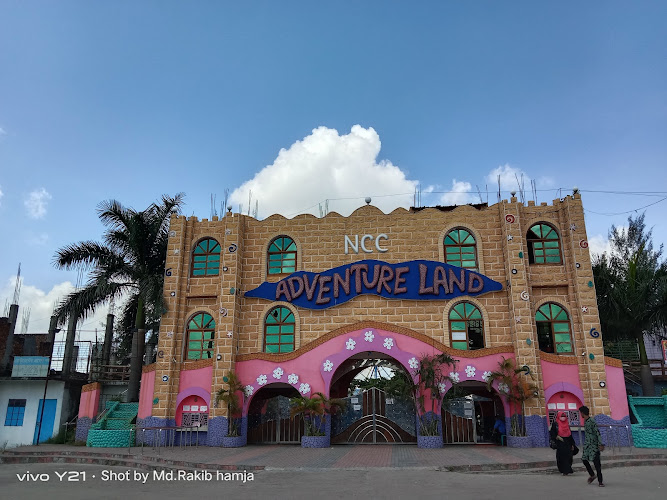
Adventure Land Park
Tours & Activities
GetYourGuide provides this tour inventory. We may earn a commission if you book through it; verify current availability, prices, and terms with the provider.
Visitor Reviews
There are no reviews yet. Be the first one to write one.
Share Your Experience
Have you visited Jetty Ghat Point? Help other travelers by leaving a review.