
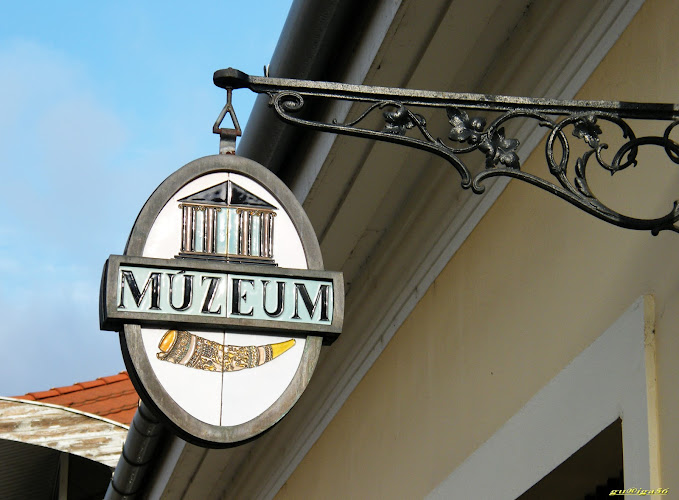
Jász Museum
About Jász Museum
To many, the Jász Museum in Jászberény is the heart and mind of Jászság, where the soul of a people can be found lovingly cared for behind glass and stone. Spend even a few moments here and you’ll likely notice something: this museum isn’t just a random assembly of artifacts and old coins in northern Hungary. It’s a curious, sometimes odd, sometimes dazzling, sometimes profound gallery of how the Jász people shaped and were shaped by the wider Hungarian culture and the world beyond.
I’ll be blunt: I didn’t expect to spend more than an hour here during my first visit, but my plans derailed almost immediately, as they do with good museums. Every corner of the building seemed to surprise me – from a centuries-old weapon collection to a sobering photo of a local boy from the last century. And yes, there it was: the legendary Lehel Horn itself—one of Hungary’s national treasures that’s more than just a quirky musical instrument. It’s a relic deeply stitched into Hungarian folklore, one of those artifacts whose story even the locals retell in hushed, proud tones.
But the real magic? The Jász Museum quietly works its spell with its context—housed in a historical building, you walk ancient halls that echo with footsteps from before the Hungarian revolution. Permanent exhibits take you on a journey tracking the turbulent rise, fall, adaptation, and endurance of the Jász people, from the distant Stone Age through Roman and Ottoman times, clear into modern Hungary. The vast ethnographic and archaeological collection, complete with embroidered folk costumes, sparkling silverware, old maps, and creased documents, always keeps the story human-focused. This is not some sterile warehouse of relics, but a space where names, faces, and daily lives feel within touching distance.
Something I noticed (and that never fails to catch me off guard in smaller museums): there’s space for quirkiness here, for odd little stories and objects missed by bigger national museum collections. For instance, kids seem to light up at the special hands-on displays. The staff don’t just repeat standard speeches but genuinely seem to love sharing their knowledge. There’s warmth, comfort, and a kind of humility in how the Jász Museum welcomes everyone—locals, children, wheelchair users, seasoned history buffs, the odd bored teenager, even the stray traveler with no great plan.
Is it perfect? No place ever is. Some displays might feel a bit dated if you’re used to flashy, interactive city museums, and the building isn’t vast. The museum café rumors? I’ll nip that in the bud: there’s no on-site restaurant, but that turns out to be a blessing in disguise – it forces you out into Jászberény proper where some real culinary surprises wait. Honestly, conversations with locals in the town’s bakeries often add as much context to the artifacts as any plaque in the gallery could.
Key Features
- The Lehel Horn: A priceless artifact and national symbol, this ninth-century horn brims with legends about bravery and loss. Most Hungarian schoolkids know the story (spoiler: it ends with an epic blow against an emperor), and seeing it up close is a genuine thrill.
- Archaeological & Ethnographic Collections: From Stone Age burial treasures to Frigyesy silverware to ornate regional costumes, the collection traces the long arc of Jászság identity.
- Historical Manuscripts and Maps: Rare documents and painstakingly illustrated maps tell the story of migration, settlement, and the stubborn independence of the Jász in the ever-shifting patchwork that is central Hungary.
- Permanent and Temporary Exhibits: You’ll find a steady core collection but also rotating or themed mini-displays that reflect current research or anniversaries in Jászberény and beyond.
- Family-Friendly Touches: Interactive children’s stations (not overwhelming, just enough to be fun), and engaging workshops that keep even reluctant young visitors interested.
- Accessibility: Wheelchair-accessible entrances and restrooms, a welcome break from so many historic Hungarian sites that—let’s be honest—aren’t so friendly for those with mobility needs.
- Historic Venue: The museum is itself an architectural relic, and its location at the center of Jászberény makes it a perfect starting point for wandering this region of Nagykun Szolnok County.
Best Time to Visit
Most travelers slide into Jászberény in spring or early autumn – which, if you want my two cents, is pure wisdom. April to June and September to October are prime for pleasant walks and fewer crowds. The museum keeps reasonable hours all year, but if there’s a festival in town—watch for summer cultural events highlighting Jász heritage or the Lehel celebrations—then you’re in for a real treat (and probably a livelier atmosphere).
Avoid mid-winter unless you’re chasing the hushed, almost private ambiance that only smaller museums can offer when the wind picks up outside. Hungarian summers can get pretty toasty, but the museum’s thick walls keep things reasonably cool – an underrated bonus.
I personally love visiting mid-to-late morning, when light pours through old windows and there’s that gently expectant buzz. You can take your time before lunch, and the neighboring town center is perfect for a stroll or quick bite after.
How to Get There
Jászberény isn’t Budapest, but that’s exactly its charm. It sits an easy train or bus ride away from the Hungarian capital and other major centers in the Nagykun Szolnok region. From Budapest, direct trains leave multiple times daily, whisking you through pastoral countryside scenes that could sit atop any European postcard. Arriving by car? It’s about a 60-minute drive east of Budapest, and parking in the town center is hassle-free (unless there’s a local festival, in which case luck is your friend).
Personally, I find the train journey oddly therapeutic – fields sliding by, the slow shift from busy city to sleeping rural hamlets – and there’s something satisfying about arriving into Jászberény’s compact, walkable center. The museum is right in the historic heart, just a stone’s throw from the main church and market square. If you lose your way (I often do, somehow), locals seem genuinely pleased to point you in the right direction—a little kindness that sets the mood for your visit.
For those with mobility needs, I should add: local infrastructure is friendlier than you might expect for a town of this size. The main routes and sidewalks are accessible, and museum facilities are thoughtfully updated to current standards.
Tips for Visiting
- Plan to linger: Don’t shortchange your visit—give yourself at least 90 minutes to dive into the exhibits and soak up the layered history.
- Ask the staff: Don’t be shy. In smaller Hungarian museums, the curators and guides usually have passionate, personal tales up their sleeves—whether it’s a family connection to an artifact, a local legend, or a behind-the-scenes tidbit you won’t find in English anywhere.
- Pair your museum stop with a stroll: The old city center around the Jász Museum brims with architectural curiosities—Baroque churches, quirky statues, and a historic market square. Grab a local pastry after your tour.
- Accessibility matters: If you or your fellow travelers need step-free access, rest easy: wheelchair users will have few problems in both the museum and much of the nearby town center.
- For families: The museum is well-suited for kids with an interest in hands-on history or those simply burning off steam. Just remember—no big lunch options onsite, so bring snacks or scope out a place nearby for a meal.
- Photographs: Rules sometimes change regarding gallery photography. Check at the ticket desk upon entry—staff will be happy to clarify.
- Keep an eye out for local events: Jászberény regularly hosts cultural days, exhibitions, or Jász heritage-themed gatherings. Timing your trip with one of these events is a unique, delightful way to stretch a museum visit into a full day of immersion.
- Language tips: English labels are provided for most major exhibits, but some smaller descriptions may be in Hungarian only. I found that a good translation app—or the patience to ask a staffer for a quick rundown—works wonders.
In all, the Jász Museum in Jászberény offers something rare: a detailed, intimate portrait of a people and their journey through Hungarian history. It’s a little off the standard tourist trail, but that’s exactly its magic. You’ll walk away with more than just facts; you’ll carry stories, images, and a sense of place that’ll tug at you long after you’ve left.
You Might Also Like
"Felszabadulási" emlékmű
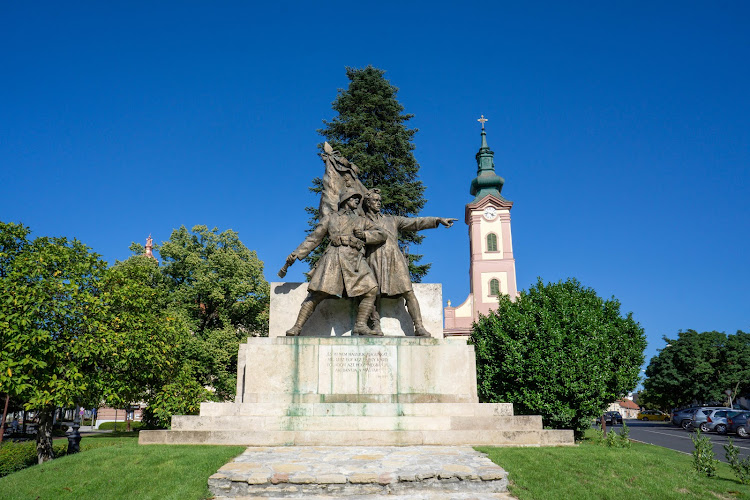
48. Gyalogezred emlékműve

A II. Világháború Áldozatainak Emlékműve
Tours & Activities
GetYourGuide provides this tour inventory. We may earn a commission if you book through it; verify current availability, prices, and terms with the provider.
Visitor Reviews
There are no reviews yet. Be the first one to write one.
Share Your Experience
Have you visited Jász Museum? Help other travelers by leaving a review.