Description
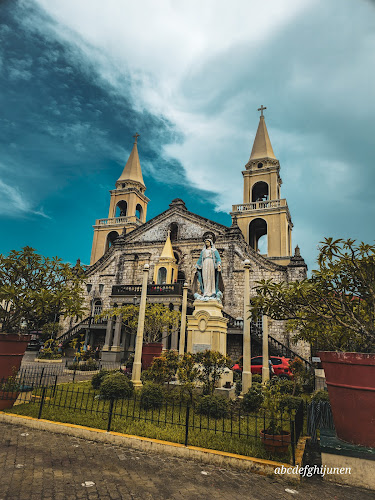
The Jaro Metropolitan Cathedral of St. Elizabeth of Hungary & National Shrine of Our Lady of Candles stands as one of the Philippines’ most significant religious landmarks, drawing both devoted pilgrims and curious travelers to the historic district of Jaro in Iloilo City. This isn’t your typical cathedral experience – and that’s precisely what makes it so special. The moment visitors approach this architectural marvel, they’re greeted by something you don’t see everyday: a bell tower standing completely separate from the main church building, a peculiar design choice that resulted from centuries of earthquakes and reconstruction efforts.
Built during the Spanish colonial period, the cathedral has weathered literal storms, devastating earthquakes, and the passage of time itself. The structure you see today represents resilience and faith intertwined, with portions dating back to different eras of reconstruction. What really catches your eye is that external staircase – it winds up the facade in a way that seems almost theatrical, like something from a European plaza transplanted into tropical Southeast Asia. And honestly, that combination of Spanish colonial architecture against palm trees and humid air creates an atmosphere you won’t find anywhere else in the world.
The cathedral earned its designation as a National Shrine dedicated to Our Lady of Candles, making it a pilgrimage site that attracts thousands of devotees, especially during the feast day celebrations. But even if you’re not particularly religious, there’s something deeply moving about standing in a space where generations have gathered, prayed, and found solace. The cathedral serves both as a functioning house of worship and a testament to Iloilo’s rich cultural heritage, embodying that beautiful intersection where history, faith, and community meet.
Key Features
Travelers visiting the Jaro Metropolitan Cathedral will discover several distinctive elements that set this sacred space apart from other Philippine churches:
- The Detached Bell Tower – Standing proudly separate from the main cathedral structure, this belfry tells the story of Philippine seismic history. After earthquakes damaged the original attached tower, reconstruction placed it at a safe distance, creating an unusual architectural layout that actually enhances the cathedral’s visual appeal.
- External Staircase Design – The dramatic exterior stairs leading up the cathedral’s front facade represent a unique architectural feature rarely seen in religious buildings. These stairs create multiple levels and viewing points, adding dimension and character to the structure.
- Our Lady of Candles Shrine – The cathedral houses the venerated image of Nuestra Señora de la Candelaria, making it an important pilgrimage destination. The shrine area features beautiful religious artwork and provides a contemplative space for prayer and reflection.
- Historical Architecture – The building showcases Spanish colonial architectural influences with distinctly Filipino adaptations, including design modifications made necessary by the tropical climate and geological conditions of the region.
- Wheelchair Accessible Facilities – Unlike many historic structures, the cathedral provides comprehensive accessibility features including wheelchair-friendly entrances, parking areas, and restrooms, ensuring all visitors can experience this sacred space.
- Onsite Services – The cathedral maintains active services and programs, allowing visitors to participate in authentic religious ceremonies and experience the living tradition of Filipino Catholicism rather than merely viewing a historical relic.
- Metropolitan Cathedral Status – As the seat of the Archdiocese of Jaro, this cathedral holds significant ecclesiastical importance, making it not just a parish church but the mother church of numerous parishes throughout the region.
Best Time to Visit
Timing your visit to the Jaro Metropolitan Cathedral can really enhance your experience, though honestly, there’s never truly a bad time to go. The cathedral welcomes visitors year-round, but certain periods offer distinct advantages depending on what you’re hoping to experience.
The feast day of Our Lady of Candles, celebrated on February 2nd, transforms the cathedral and surrounding streets into an incredible spectacle of faith and Filipino culture. Thousands of devotees converge on Jaro during this time, creating an atmosphere of devotion that’s genuinely moving to witness. The processions, special masses, and community celebrations provide travelers with an authentic glimpse into Philippine religious tradition. But be warned – it gets crowded. Like, really crowded. If you’re comfortable navigating large crowds and want to experience Filipino Catholicism at its most passionate, this is your moment.
For those seeking a more contemplative visit where you can actually hear yourself think, weekday mornings from January through May offer ideal conditions. The dry season means you won’t be dodging tropical downpours, and early morning visits allow you to appreciate the cathedral’s architecture in soft natural light before the midday heat becomes intense. I’ve found that arriving around 7 or 8 AM gives you space to explore without bumping into tour groups every few steps.
December presents another popular time as Christmas celebrations bring special decorations and musical performances. The cathedral looks absolutely stunning with traditional Filipino Christmas decor, though again, expect company from both locals and fellow travelers.
Avoiding the rainy season (June through November) makes practical sense since sudden downpours can interrupt your visit and make navigating the surrounding area less pleasant. That said, if you do visit during these months, the cathedral provides a beautiful refuge from tropical storms, and there’s something rather poetic about hearing rain on ancient tiles while surrounded by centuries of history.
Sunday masses showcase the cathedral’s role as a living place of worship, but they’re less conducive to architectural exploration and photography. If participating in a service interests you, Sunday morning offers that opportunity. If you’re more focused on photographing details and wandering freely, literally any other day works better.
How to Get There
Getting to the Jaro Metropolitan Cathedral requires navigating Iloilo City, but the journey is surprisingly straightforward once you understand your options. The cathedral sits in the Jaro district, which locals consider the old aristocratic neighborhood of Iloilo – you’ll notice the shift in atmosphere as you enter this area, with its historic mansions and tree-lined streets.
If you’re flying into Iloilo, you’ll arrive at Iloilo International Airport in Cabatuan, roughly 30 kilometers from the cathedral. Taxis and ride-sharing services operate from the airport, and the drive takes about 45 minutes depending on traffic. Make sure your driver knows you’re heading to “Jaro Cathedral” – it’s a well-known landmark, and most drivers can get you there without additional directions. The fare typically runs between 400-600 Philippine pesos, though you should confirm the price before departing or ensure the meter is running.
For travelers already staying somewhere in Iloilo City proper, jeepneys provide the most authentic (and economical) transportation option. These colorful vehicles are Philippine icons, though navigating the route system takes some practice. Look for jeepneys marked “Jaro” or ask locals which one heads toward the Jaro district. The ride costs only a few pesos, and drivers usually know the cathedral stop. Just say “Jaro Cathedral” or “simbahan” (church) when you want to disembark.
Tricycles – those motorcycle sidecars you’ll see everywhere – offer another convenient option for shorter distances. They’re perfect if you’re coming from somewhere within Jaro itself or nearby districts. Negotiate the fare beforehand; rates are generally reasonable for short trips.
Ride-sharing apps like Grab operate in Iloilo City and provide comfortable, air-conditioned transportation with upfront pricing. This option appeals to travelers who prefer not negotiating fares or navigating public transportation in an unfamiliar city.
The cathedral’s wheelchair-accessible parking lot accommodates those renting vehicles or arriving by private car. Parking availability varies depending on when you visit – weekday mornings rarely present problems, but Sunday masses and feast days can fill spaces quickly.
Walking to the cathedral works beautifully if you’re staying in the Jaro district itself, which I’d actually recommend if your Iloilo itinerary includes exploring this historic neighborhood. The area surrounding the cathedral features other heritage structures, ancestral houses, and local eateries worth discovering on foot.
Tips for Visiting
Actually getting the most from your cathedral visit involves more than just showing up. A few practical considerations can transform a quick photo stop into a meaningful cultural experience.
Dress appropriately – this is an active place of worship, not just a tourist attraction. That means covering shoulders and knees, removing hats upon entering, and generally maintaining modest attire. Some travelers find this restrictive, but honestly, it’s basic respect for the space and the people using it for prayer. You’ll notice many local visitors dressed quite formally, particularly for mass, though everyday modest clothing works perfectly fine for general visits.
Photography is generally permitted inside the cathedral, but use common sense and courtesy. Flash photography during services is disruptive and disrespectful. If mass is happening, put the camera away or shoot very discreetly from the back. The exterior and bell tower photograph beautifully in morning light, while the interior benefits from the softer afternoon sun filtering through windows.
Visit the detached bell tower if it’s accessible – sometimes access varies depending on maintenance schedules and security concerns. The view from up there provides a unique perspective on both the cathedral and the surrounding Jaro district. Just be prepared for a bit of a climb if your mobility is limited, though the main cathedral level remains fully accessible.
Allow more time than you think you’ll need. Many travelers budget 20 minutes, snap a few photos, and move on. But the cathedral rewards slower exploration – notice the details in the religious artwork, observe the interplay of architectural styles from different reconstruction periods, and spend time in the shrine area. An hour provides space for meaningful engagement rather than rushed tourism.
Bring Philippine pesos for donations. The cathedral maintains its operations through community support, and contributing a modest amount helps preserve this historic structure. Donation boxes are available throughout the building.
Consider hiring a local guide if you’re interested in deeper historical context. Some guides hang around outside offering services, or you can arrange one through your hotel. The cathedral’s architectural quirks and historical significance become much more interesting when you understand the stories behind them.
Combine your cathedral visit with exploring the broader Jaro district. The neighborhood features beautiful old mansions, the Jaro plaza, and local restaurants serving regional specialties. Making the cathedral part of a larger Jaro exploration creates a richer travel experience than treating it as an isolated checkbox on your itinerary.
Check the mass schedule if you want to either participate in services or specifically avoid them for photography purposes. The cathedral office can provide current schedules, or your hotel concierge might have this information.
Restrooms are available onsite, which isn’t always guaranteed at historic Philippine churches. Take advantage of this convenience before heading to your next destination.
Finally, remember that this cathedral serves a living community of believers. You’re a guest in their sacred space. The warmth and openness Filipino Catholics typically show toward visitors is remarkable, but it shouldn’t be taken for granted. A respectful, curious attitude goes a long way toward creating positive interactions and authentic experiences that transcend typical tourism.