
Jamestown National Historic Site
About Jamestown National Historic Site
Description
Jamestown National Historic Site is one of those places that feels like stepping right into the pages of a history book, only with the scent of the river breeze and the crunch of gravel paths under your shoes. It’s the site of the first permanent English settlement in North America, founded back in 1607, and the stories here are thick with grit, survival, and the beginnings of what would eventually become the United States. Travelers who come here often talk about how moving it is to stand on the very ground where so much of America’s complicated history began.
What makes Jamestown a little different from other historical landmarks is the way it blends archaeology, storytelling, and living history. You don’t just see plaques and statues—you actually see archaeologists at work, uncovering artifacts that have been buried for centuries. I remember watching a team carefully brushing dirt away from what looked like a broken piece of pottery, and it struck me how fragile and real the past is. It’s not just a museum behind glass; it’s history being rediscovered right in front of you.
The site is generally well-kept and easy to navigate, with wide paths and plenty of signage, though like any historic site, it’s not without its quirks. Some visitors feel it can be a bit crowded during peak times, and others wish the exhibits went deeper into certain perspectives. But overall, the majority walk away impressed, often saying it exceeded their expectations. Families, in particular, find it engaging because there’s enough hands-on learning to keep kids interested while still being deeply educational for adults.
Key Features
- Archaeological digs in progress where visitors can watch history being uncovered in real-time
- A Visitor Center with exhibits on the Virginia Company, Native American relations, trade, slavery, and indentured servitude
- The Archaearium museum displaying thousands of artifacts unearthed from the original fort
- Guided tours led by National Park Service rangers and historians who bring stories to life
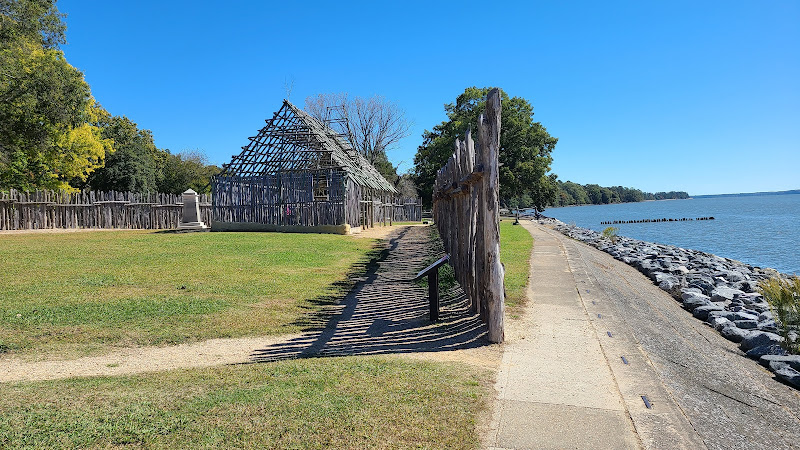
- Replica structures and reconstructions that help visualize early colonial life
- Wheelchair accessible entrances and parking, making it easier for all visitors to explore
- Kid-friendly activities, including Junior Ranger programs and interactive exhibits
- Peaceful walking trails along the James River with scenic views
Best Time to Visit
If you’re wondering when to go, spring and fall are usually the sweet spots. The weather is mild, the humidity isn’t suffocating, and the trees along the river put on a show—green and fresh in April, fiery orange and red in October. Summer can be hot and sticky, and trust me, walking around in Virginia heat with little shade isn’t always pleasant. That said, summer does bring more programming, like special ranger talks and family events, so if you don’t mind sweating a bit, it can still be worth it.
Winter has its own charm, too. It’s quieter, less crowded, and you can really take your time exploring without feeling rushed. I went once in December, and while it was chilly, there was something hauntingly beautiful about standing by the river with hardly anyone else around. It gave the place a solemn, reflective atmosphere that stuck with me.
How to Get There
Reaching Jamestown National Historic Site is fairly straightforward if you’re already in the Williamsburg area. It’s just a short drive from Colonial Williamsburg, and the route takes you through some lovely stretches of Virginia countryside. Most people arrive by car, and parking is available right near the Visitor Center. If you’re traveling without a car, local shuttles and taxis from Williamsburg can get you there, though having your own wheels makes it easier to explore at your own pace.
For those who like a little adventure, biking is another option. There are scenic bike trails that connect Williamsburg to Jamestown, and riding them feels like a mini-journey of its own. Just be prepared for a decent ride—bring water and maybe a snack, because Virginia humidity can sneak up on you.
Tips for Visiting
Here’s the thing about Jamestown: it’s best experienced if you give yourself time. Rushing through in an hour won’t do it justice. Plan for at least half a day, maybe longer if you’re really into history. Wear comfortable shoes—there’s a fair bit of walking, and some paths are uneven. And don’t forget bug spray if you’re visiting in warmer months; the mosquitoes here are relentless.
I also recommend starting at the Visitor Center. It sets the stage with exhibits and context, so when you head out to the archaeological site and the fort area, you’ll have a better sense of what you’re looking at. If you can, join a ranger-led tour. The guides have a knack for weaving stories that make the past feel alive, and you’ll probably learn details you’d never pick up just reading signs.
Bring water, especially in summer, and maybe pack a picnic to enjoy along the river. There’s a café on-site, but I’ve always liked the idea of sitting under a tree with a sandwich and just soaking in the atmosphere. If you’re traveling with kids, check out the Junior Ranger program—it’s a fun way for them to engage with the history without it feeling like homework.
And one last thing—be open to the emotional weight of the place. Jamestown isn’t just about colonial pioneers; it’s also about the Native peoples whose lives were forever changed, and the enslaved Africans who were brought here against their will. It’s not always a comfortable story, but it’s an important one. Standing on this ground, you can feel the layers of history pressing in, and if you let yourself, it can be a deeply moving experience.
Key Features
- Archaeological digs in progress where visitors can watch history being uncovered in real-time
- A Visitor Center with exhibits on the Virginia Company, Native American relations, trade, slavery, and indentured servitude
- The Archaearium museum displaying thousands of artifacts unearthed from the original fort
- Guided tours led by National Park Service rangers and historians who bring stories to life
- Replica structures and reconstructions that help visualize early colonial life
- Wheelchair accessible entrances and parking, making it easier for all visitors to explore
- Kid-friendly activities, including Junior Ranger programs and interactive exhibits
- Peaceful walking trails along the James River with scenic views
Tours & Activities
GetYourGuide provides this tour inventory. We may earn a commission if you book through it; verify current availability, prices, and terms with the provider.
Visitor Reviews
There are no reviews yet. Be the first one to write one.
Share Your Experience
Have you visited Jamestown National Historic Site? Help other travelers by leaving a review.