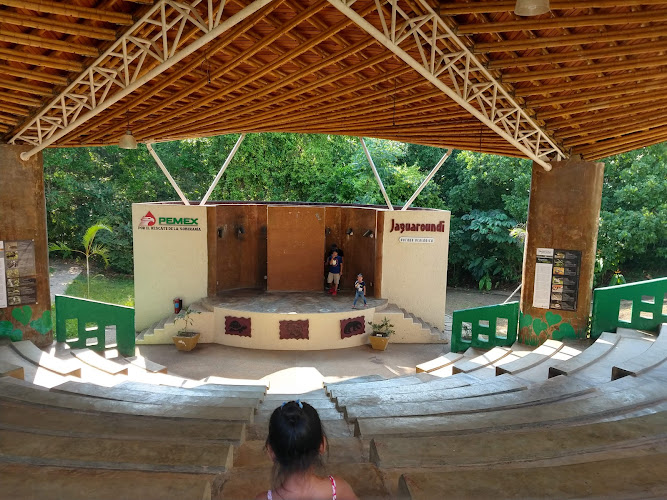
Jaguaroundi Ecological Park is a highly acclaimed nature preserve located in Coatzacoalcos, Mexico. With a rating of 4.5 out of 5, it stands out as one of the top-rated nature preserves in the area.
Visitor Guide & Information
Jaguaroundi Ecological Park is a highly acclaimed nature preserve located in Coatzacoalcos, Mexico. With a rating of 4.5 out of 5, it stands out as one of the top-rated nature preserves in the area.
Location
You can find Jaguaroundi Ecological Park at Camino al Ejido Cangrejera Uno S/N, Coatzacoalcos, Ver., Mexico.
What to Expect
Jaguaroundi Ecological Park offers visitors a chance to enjoy the natural beauty of Coatzacoalcos, Mexico. Whether you are looking for a peaceful walk, a picnic spot, or simply a place to relax outdoors, this nature preserve provides a welcome green space.
Planning Your Visit
The nature preserve is located at Camino al Ejido Cangrejera Uno S/N, Coatzacoalcos, Ver., Mexico. GPS coordinates: 18.111378, -94.357938. Check locally for current opening hours and any admission fees before visiting.
Community & Insider Notes
Last modified August 17, 2026
Jaguaroundi Ecological Park is a highly acclaimed nature preserve located in Coatzacoalcos, Mexico. With a rating of 4.5 out of 5, it stands out as one of the top-rated nature preserves in the area.
You can find Jaguaroundi Ecological Park at Camino al Ejido Cangrejera Uno S/N, Coatzacoalcos, Ver., Mexico.
What to Expect
Jaguaroundi Ecological Park offers visitors a chance to enjoy the natural beauty of Coatzacoalcos, Mexico. Whether you are looking for a peaceful walk, a picnic spot, or simply a place to relax outdoors, this nature preserve provides a welcome green space.
Planning Your Visit
The nature preserve is located at Camino al Ejido Cangrejera Uno S/N, Coatzacoalcos, Ver., Mexico. GPS coordinates: 18.111378, -94.357938. Check locally for current opening hours and any admission fees before visiting.
Jaguaroundi Ecological Park sprawls across 961 hectares in Coatzacoalcos, Veracruz. It’s best known for its lush rainforest, winding lakes where you can kayak, and the sheer amount of wildlife you might spot along the way.
This place is actually Mexico’s first privately-owned natural protected area certified by CONANP (National Commission of Natural Protected Areas). It serves as an environmental buffer zone for the nearby petrochemical facilities, but it also opens its doors for public environmental education and ecotourism.
You might catch a glimpse of over 200 bird species, 65 different mammals, and 130 butterfly species as you wander the trails or paddle the lakes. That’s a lot of biodiversity for one spot.
Pemex created the reserve and opened it up to visitors in 2010. It’s just 5 kilometers from the Port of Coatzacoalcos, right in the middle of an industrial zone—kind of wild to have so much nature tucked in there.
There are interpretive trails, botanical gardens, a nursery, and weekend workshops for both kids and adults. If you’re local, it’s a quick escape into Veracruz’s tropical world without needing to drive for hours.
The park’s focus is threefold: conservation of native species, scientific research, and environmental education for people in the area. There are 550 plant types on the grounds, and 51 hectares are just water—plenty of space for all sorts of aquatic life.
Key Takeaways
Jaguaroundi Ecological Park protects 961 hectares of tropical rainforest and wetlands in Coatzacoalcos with over 200 bird species and extensive wildlife viewing opportunities.
The park offers kayaking, interpretive trails, botanical gardens, and weekend environmental workshops suitable for families and nature enthusiasts.
Plan your visit around weekend exhibitions for the full experience, and consider exploring other natural areas in Veracruz after your trip.
Key Details and Quick Facts
Jaguaroundi Ecological Park sits in Coatzacoalcos, Veracruz, covering 961 hectares. Pemex (Petróleos Mexicanos) owns and operates it as an ecological buffer for the nearby petrochemical plants.
The park opened in 2010 and was the first privately-owned protected natural area in Mexico to get CONANP certification (CONANP-01/02). There are 51 hectares of water bodies scattered throughout—lakes where you can rent a boat or kayak.
The park came out of a partnership between Pemex and UNAM (National Autonomous University of Mexico). Its mission focuses on conservation, research, and education.
You’ll find it on Camino al Ejido Cangrejera 1 in Coatzacoalcos. It’s a conservation site, but also a great spot for ecotourism if you want to see local flora and fauna in the wild.
What to Expect During Your Visit
When you visit, you’ll be wandering through protected rainforest and gliding along 51 hectares of lakes. Guides can take you down interpretive trails to spot over 200 bird species, 65 mammal species, and plenty of butterflies—130 types, apparently.
You can pick from several activities:
Jungle tours on foot or by bike
Canoeing and kayaking on the lakes and channels
Boat rides across the main lake
Guided nature walks with staff who point out local wildlife
Museum visit at the small interactive facility on-site
There are nurseries, greenhouses, and botanical gardens you can wander on your own. Most tours have guides to help you figure out what you’re looking at.
This isn’t a zoo. Animals roam free, so what you see depends on the season and time of day. Early mornings are your best bet for spotting birds and mammals.
Recreational workshops run for both kids and adults, though you might need to sign up ahead of time. Bring good walking shoes, bug spray, and water—the humidity can be a lot.
Planning Tips and Visiting Insights
The park is 15 kilometers outside Coatzacoalcos on the road to Ejido Cangrejera. You’ll want to plan ahead for transport and check the weather—tropical rain can make things tricky.
If you’ve got your own car, that’s definitely the easiest. Mornings are cooler and better for hiking those 961 hectares.
Best Time to Go
November through April is the dry season, so it’s more comfortable for walking and paddling. Temperatures hover between 70-85°F, with less humidity.
From May to October, you’ll get heavy afternoon rains and serious heat. If you’re visiting in the wet months, go early before the storms roll in—usually around 2 PM.
Wildlife is most active in the early morning, no matter the season. Birds are up at dawn, and you’ll catch more butterflies and mammals before midday.
Weekdays are quieter than weekends, so if you want the trails mostly to yourself, aim for a Tuesday or Wednesday.
How to Get There
The park’s on Camino al Ejido Cangrejera 1, about 15 kilometers from downtown Coatzacoalcos. Public transit doesn’t really reach out here, so personal transport is the way to go.
Taxis from Coatzacoalcos usually cost 200-300 pesos one way. Make sure you confirm your return ride—cabs aren’t always hanging around out here. Rideshare apps don’t have much coverage.
The road is paved but gets potholes in rainy season. There’s on-site parking and it’s free.
Insider Tips for Visitors
Bring insect repellent and wear long, light pants—mosquitoes love the water bodies here. Pack water and snacks since there aren’t many food vendors, and the trails might take you 2-4 hours depending on your pace.
Guided tours are included in admission and are honestly worth it for the info on local plants and animals. Most guides speak Spanish, so a little language prep helps.
Closed-toe shoes with good grip are a must for hiking and kayaking. The nurseries and greenhouses can be slippery.
Check if you need to reserve kayaks or canoes ahead of time, especially on weekends. The small museum near the entrance takes about half an hour.
Photography is fine—just stay on the trails and keep your distance from wildlife. Binoculars are handy for birdwatching in the wetlands.
Nearby Wonders and Further Adventures in Mexico
After Jaguaroundi, you can check out Coatzacoalcos itself. It’s right on the Gulf Coast and acts as a jumping-off point for all sorts of southern Veracruz adventures.
Regional Destinations Worth Your Time:
Catemaco – About two hours north, famous for its volcanic lake, shamans, and Los Tuxtlas Biosphere Reserve.
Tlacotalpan – A UNESCO World Heritage town 90 minutes northwest, with bright colonial buildings along the Papaloapan River.
Santiago Tuxtla – Known for massive Olmec stone heads and its Olmec Culture Museum.
San Andrés Tuxtla – Mexico’s cigar capital, where you can tour tobacco plantations.
The Gulf Coast here is a whole different world from the Yucatán or Pacific—rainforests, wetlands, lagoons, and not many international tourists. You’ll get a more local vibe.
If you’re up for a drive, Veracruz city is about four hours northwest with the old San Juan de Ulúa fortress and a busy malecón. Head west and you’re in Oaxaca state, so places like Puerto Escondido or Oaxaca City are doable if you want to keep exploring.
Frequently Asked Questions
A lot of folks ask how to get there in wet weather, what to bring for the humidity, and where to spot the most wildlife in the park’s 961 hectares.
What’s the easiest way to reach the park from the nearest major airport, and which route is most reliable in the rainy season?
You’ll want to fly into Minatitlán/Coatzacoalcos International Airport, about 25 kilometers away. Take Highway 180 south toward Coatzacoalcos, then follow local signs to the reserve.
The main access roads stay open in rainy season since they’re used by the PEMEX facilities, but if you’re renting a car, get one with decent clearance—some of the park’s internal roads can get muddy from June to October.
Taxi drivers from the airport generally know where to go. The drive’s about 30-40 minutes if traffic’s normal.
What are the opening hours, entry fees, and any lesser-known permits or ID requirements visitors sometimes miss?
The park is open Tuesday through Sunday, 9:00 AM to 5:00 PM, and closed on Mondays. Entry usually costs 50-80 pesos for adults and 30-50 for kids, but prices can change.
No special permits needed for a regular visit, but bring a photo ID just in case. If you’re planning to do serious photography or research, check with staff ahead of time.
Which trails or lagoons offer the best wildlife-spotting odds, and what time of day tends to be most productive?
The main lagoon is your best bet for birds—over 200 species have been recorded. Early morning, between 6:30 and 9:00 AM, is prime time before the heat sets in.
Forest trails near the water are home to mammals, including the elusive jaguarundi, though seeing one is rare. For butterflies, check sunny trail edges mid-morning. Howler monkeys are often heard up north.
Are guided walks worth it here, and how do you choose a reputable local guide versus a generic tour?
Guides really do make a difference—they know the animal routines and the best spots. The park’s own guides work right there and know the conservation goals, so ask at the entrance instead of booking outside tours.
A good guide won’t just point at animals but will fill you in on the park’s role as Mexico’s first privately-owned certified natural protected area and its work as a buffer for industry.
What should you pack for the on-the-ground conditions—mud, insects, heat—and are there surprisingly essential items?
You’ll want closed-toe shoes with ankle support—mud’s a given, and twisted ankles aren’t fun. Long, lightweight pants help with bugs and brush, and honestly, you’ll sweat less than you think in moisture-wicking shirts, even with temps hovering between 85 and 95°F and humidity that feels like a wall.
Bug spray is non-negotiable. Go for at least 25% DEET, since mosquitoes basically own the place all year.
Bring more water than you think you’ll need. Two liters per person for a half-day is the bare minimum.
A small towel for sweat and a waterproof bag for your phone or camera are weirdly clutch. Rain gear? Yep, even during the so-called dry season—afternoon showers are sneaky.
If you have time, poke around travel gear for humidity-proof stuff. It’s worth it.
How accessible is the park for families or visitors with limited mobility, and which areas are realistically doable without strenuous hiking?
The main visitor center is pretty easy to reach for most families, even if you’ve got a stroller or someone who doesn’t want to walk too far. Lagoon viewing areas are also designed with accessibility in mind, so you won’t have to worry about steep climbs or tricky footing there.
Boat tours around the lagoon are a nice option—no hiking required, just sit back and spot wildlife from the water. The paths here are mostly flat, so you can get a good look at nature without breaking a sweat.
If you’re thinking about heading deeper into the forest, that’s where things get rough. Trails can get muddy, roots stick out, and you’ll need to watch your step. Strollers are pretty much a no-go on these sections.
That said, the park does a decent job with educational visits for kids, especially through their environmental programs. With 51 hectares of water bodies, there’s plenty of kayak and boat access, which means you can skip the long walks and still soak in the scenery.
{“@context”: “https://schema.org”, “@type”: “FAQPage”, “mainEntity”: [{“@type”: “Question”, “name”: “What’s the easiest way to reach the park from the nearest major airport, and which route is most reliable in the rainy season?”, “acceptedAnswer”: {“@type”: “Answer”, “text”: “You’ll want to fly into Minatitlán/Coatzacoalcos International Airport, about 25 kilometers away. Take Highway 180 south toward Coatzacoalcos, then follow local signs to the reserve. The main access roads stay open in rainy season since they’re used by the PEMEX facilities, but if you’re renting a car, get one with decent clearance—some of the park’s internal roads can get muddy from June to October. Taxi drivers from the airport generally know where to go. The drive’s about 30-40 minutes if traffic’s normal.”}}, {“@type”: “Question”, “name”: “What are the opening hours, entry fees, and any lesser-known permits or ID requirements visitors sometimes miss?”, “acceptedAnswer”: {“@type”: “Answer”, “text”: “The park is open Tuesday through Sunday, 9:00 AM to 5:00 PM, and closed on Mondays. Entry usually costs 50-80 pesos for adults and 30-50 for kids, but prices can change. No special permits needed for a regular visit, but bring a photo ID just in case. If you’re planning to do serious photography or research, check with staff ahead of time.”}}, {“@type”: “Question”, “name”: “Which trails or lagoons offer the best wildlife-spotting odds, and what time of day tends to be most productive?”, “acceptedAnswer”: {“@type”: “Answer”, “text”: “The main lagoon is your best bet for birds— over 200 species have been recorded. Early morning, between 6:30 and 9:00 AM, is prime time before the heat sets in. Forest trails near the water are home to mammals, including the elusive jaguarundi, though seeing one is rare. For butterflies, check sunny trail edges mid-morning. Howler monkeys are often heard up north.”}}, {“@type”: “Question”, “name”: “Are guided walks worth it here, and how do you choose a reputable local guide versus a generic tour?”, “acceptedAnswer”: {“@type”: “Answer”, “text”: “Guides really do make a difference—they know the animal routines and the best spots. The park’s own guides work right there and know the conservation goals, so ask at the entrance instead of booking outside tours. A good guide won’t just point at animals but will fill you in on the park’s role as Mexico’s first privately-owned certified natural protected area and its work as a buffer for industry.”}}, {“@type”: “Question”, “name”: “What should you pack for the on-the-ground conditions—mud, insects, heat—and are there surprisingly essential items?”, “acceptedAnswer”: {“@type”: “Answer”, “text”: “You’ll want closed-toe shoes with ankle support—mud’s a given, and twisted ankles aren’t fun. Long, lightweight pants help with bugs and brush, and honestly, you’ll sweat less than you think in moisture-wicking shirts, even with temps hovering between 85 and 95°F and humidity that feels like a wall. Bug spray is non-negotiable. Go for at least 25% DEET, since mosquitoes basically own the place all year. Bring more water than you think you’ll need. Two liters per person for a half-day is the bare minimum. A small towel for sweat and a waterproof bag for your phone or camera are weirdly clutch. Rain gear? Yep, even during the so-called dry season—afternoon showers are sneaky. If you have time, poke around travel gear for humidity-proof stuff. It’s worth it.”}}, {“@type”: “Question”, “name”: “How accessible is the park for families or visitors with limited mobility, and which areas are realistically doable without strenuous hiking?”, “acceptedAnswer”: {“@type”: “Answer”, “text”: “The main visitor center is pretty easy to reach for most families, even if you’ve got a stroller or someone who doesn’t want to walk too far. Lagoon viewing areas are also designed with accessibility in mind, so you won’t have to worry about steep climbs or tricky footing there. Boat tours around the lagoon are a nice option—no hiking required, just sit back and spot wildlife from the water. The paths here are mostly flat, so you can get a good look at nature without breaking a sweat. If you’re thinking about heading deeper into the forest, that’s where things get rough. Trails can get muddy, roots stick out, and you’ll need to watch your step. Strollers are pretty much a no-go on these sections. That said, the park does a decent job with educational visits for kids, especially through their environmental programs. With 51 hectares of water bodies, there’s plenty of kayak and boat access”}}]}
Explore verified points of interest within walking or short transit distance.
No neighboring places mapped within 5 km yet.
Find Places to Stay Nearby
Stay22 provides this accommodation search. We may earn a commission if you book through it; verify current prices and terms with the provider.
🗺️
Interactive accommodation map requires marketing cookies to display live rates.
Recommended Experiences & Activities
GetYourGuide provides this tour inventory. We may earn a commission if you book through it; verify current availability, prices, and terms with the provider.
Top Viator Experiences & Guided Tours in Coatzacoalcos
We may earn a commission if you book through links on this page at no extra cost to you. All tours feature verified customer reviews and flexible cancellation options.