
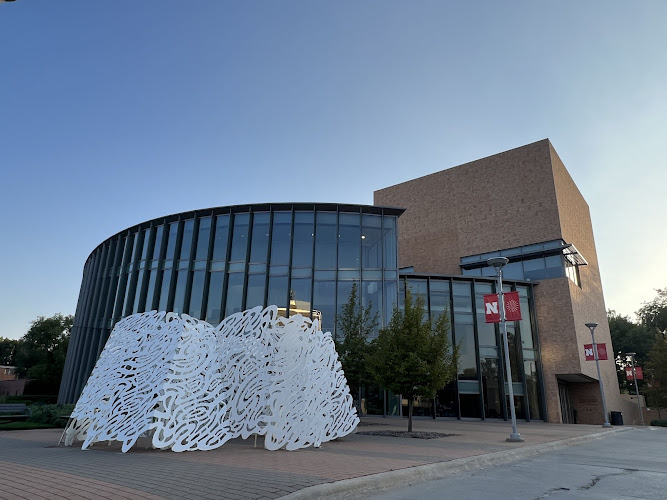
International Quilt Museum
About International Quilt Museum
Description
The International Quilt Museum in Lincoln, Nebraska, reads like a love letter to quilts and quilting as both craft and art form. It is a museum with a mission: to collect, preserve, study, and share quilts from around the world. Visitors will find themselves walking through gallery rooms that feel calm and deliberate, rooms that show not just patchwork and pattern but stories stitched over generations. The museum sits on a university campus, which gives it an academic pulse — research, rotating exhibitions, and educational programs are as central to its identity as the quilts themselves.
At its heart the museum is about a collection — one of the largest publicly held quilt collections in existence — representing a global sweep of traditions. From early American sampler quilts and African-American quilting traditions to contemporary art quilts by living artists, the range is broad. That breadth gives visitors the chance to compare motifs, techniques, and materials across cultures and eras. It’s the sort of place where a single hallway might juxtapose an 1800s appliqué quilt with a contemporary quilt that uses photography and digital printing. People who come thinking of quilts as cozy home objects often leave thinking of them as serious works of art and documents of cultural history.
Walking the galleries feels like reading a slow-moving, tactile book. Labels are typically informative without being dense; the museum balances craft details (fabric types, stitches, construction) with contextual notes about community, migration, and artistic intention. For the traveler who likes a little deeper context, the museum’s role as a quilt study center makes a difference. Exhibitions are curated with research in mind, and rotating shows often spotlight particular countries, styles, or thematic approaches such as storytelling quilts, geometric design, or political expression through fabric. So, return visits are rewarding — the exhibits change and the permanent collection is too vast to show all at once.
First-time visitors should know this: many quilts require controlled lighting and careful display, so galleries have soft, focused illumination and quiet spaces. That creates an intentional atmosphere — and, honestly, it’s a relief. In a world of noisy tourist hubs, the museum invites a slower gaze. Expect to linger. People often spend an hour or two, but those who love textiles will happily stretch a visit to half a day reading every label and studying the stitchwork. Families with children will find kid-friendly elements; children can be surprisingly captivated by large-scale patterns and bright color stories.
Aside from the visual feast, the museum offers practical amenities that make a visit easy: guided tours, a gift shop with unique textile-related items, accessible restrooms and entrances, and a free on-site parking lot. There is an admission fee, but many visitors comment that the experience feels like good value — quality programming and expert curation are part of what that fee supports. And because this museum operates in an academic environment, there are often public talks, demonstrations, and workshops that align with current shows. If travelers time their visit with a talk or a workshop, they can gain fresh insights from scholars, conservators, and contemporary quilt artists.
One small aside from the writer: on a chilly November afternoon the museum provided a weirdly comforting sanctuary. After a long drive across Nebraska plains, a series of quilts depicting home, migration, and family felt unexpectedly resonant. The writer remembers standing, nose-creased, marveling at how a single scrap of fabric could hold a world of memory. That moment stuck — not because the museum shouted at the visitor, but because it made space for quiet observation. Travelers looking for contemplative cultural experiences will find that here.
For photographers and social media-minded travelers, there are limits to consider. Because of conservation concerns, many quilts cannot be photographed with flash, and in certain galleries photography might be restricted. That can be a bummer for some — but it’s important to understand why: light can damage delicate fabrics, and the museum’s preservation efforts aim to keep quilts available for future generations. So, bring a good memory and, if allowed, a non-flash photo or two, but mostly plan to look closely and appreciate details in person.
Accessibility is a genuine strength. The museum provides wheelchair-accessible entrances, parking, and restrooms, and galleries are navigable with wide aisles. That accessibility matters, especially since quilting traditions have often been intergenerational and community-oriented; it feels right that the museum makes the work available to a wide audience. Staff are generally helpful and knowledgeable; volunteers and docents frequently add context that isn’t on the labels, and they often enjoy sharing little-known facts about technique or provenance.
Moreover, the museum’s gift shop is worth a mention. It stocks books, patterns, small textiles, and locally made craft items. Travelers who want a meaningful souvenir — something tied to the museum’s mission and the cultures represented in the galleries — will often find better options here than the typical tourist tchotchkes. Many people come away with a book on quilt history or a small handcrafted piece that sparks continued interest after the trip.
It’s also useful to note what the museum is not. It’s not a flashy, interactive theme-park museum with loud multimedia installations at every turn. Instead, it asks visitors to slow down and look. For some travelers expecting blockbuster spectacle, that quieter pace may feel underwhelming at first. But for the curious traveler — someone who appreciates material culture, art history, or the way everyday objects can carry social meaning — the museum is quietly addictive.
Travelers who care about education will appreciate that the museum functions as both public gallery and academic resource. The institution hosts research fellows and maintains collections that scholars rely on. That dual role elevates the quality of curation and ensures that exhibits are often backed by new research or fresh scholarship. Consequently, the museum’s rotating exhibitions frequently travel or form part of collaborative projects with other cultural institutions. So, chances are good that a show seen on one visit might reappear in modified form somewhere else, and pieces are often lent to international exhibitions. This interconnectedness gives the museum a global footprint while rooting its activities in Lincoln, Nebraska.
Practical tip embedded here: plan ahead. The museum’s hours vary by season and special programming. If a traveler wants a guided tour, or hopes to attend a special lecture or workshop, checking the schedule in advance and booking when necessary pays off. And if a trip to Nebraska already includes other cultural stops, like university galleries or local craft fairs, the museum pairs well with a day of art and local exploration.
Finally, for the traveler who delights in the unexpected, the International Quilt Museum often offers the kind of discoveries that don’t make headline lists but stick with you. A quiltmaker’s personal note sewn into a backing, a dyeing technique explained on a label, or the delicate way a community used scraps during wartime — these small human details create an emotional through-line across the galleries. They remind visitors that quilts are more than objects; they are archival sources, diaries coded in cloth, and expressions of artistic experimentation. And honestly, that combination — art, history, craft, and human story — is what makes a visit memorable.
To sum up — and yes, sum-ups are useful when planning travel — the International Quilt Museum is a thoughtful, research-driven museum that elevates quilting to a global art and cultural practice. It provides accessible galleries, meaningful programming, and a gift shop that reflects its textile focus. Visitors who come ready to look closely and learn will leave with a new appreciation for quilts and the many hands and lives behind them. It’s not flashy, but it is sincere, and sometimes sincerity wins the day. If a traveler passes through Lincoln and cares even a little about art, craft, or cultural history, this museum rewards the detour.
Key Features
More Details
Updated August 29, 2025
Table of Contents
Description
The International Quilt Museum in Lincoln, Nebraska, reads like a love letter to quilts and quilting as both craft and art form. It is a museum with a mission: to collect, preserve, study, and share quilts from around the world. Visitors will find themselves walking through gallery rooms that feel calm and deliberate, rooms that show not just patchwork and pattern but stories stitched over generations. The museum sits on a university campus, which gives it an academic pulse — research, rotating exhibitions, and educational programs are as central to its identity as the quilts themselves.
At its heart the museum is about a collection — one of the largest publicly held quilt collections in existence — representing a global sweep of traditions. From early American sampler quilts and African-American quilting traditions to contemporary art quilts by living artists, the range is broad. That breadth gives visitors the chance to compare motifs, techniques, and materials across cultures and eras. It’s the sort of place where a single hallway might juxtapose an 1800s appliqué quilt with a contemporary quilt that uses photography and digital printing. People who come thinking of quilts as cozy home objects often leave thinking of them as serious works of art and documents of cultural history.
Walking the galleries feels like reading a slow-moving, tactile book. Labels are typically informative without being dense; the museum balances craft details (fabric types, stitches, construction) with contextual notes about community, migration, and artistic intention. For the traveler who likes a little deeper context, the museum’s role as a quilt study center makes a difference. Exhibitions are curated with research in mind, and rotating shows often spotlight particular countries, styles, or thematic approaches such as storytelling quilts, geometric design, or political expression through fabric. So, return visits are rewarding — the exhibits change and the permanent collection is too vast to show all at once.
First-time visitors should know this: many quilts require controlled lighting and careful display, so galleries have soft, focused illumination and quiet spaces. That creates an intentional atmosphere — and, honestly, it’s a relief. In a world of noisy tourist hubs, the museum invites a slower gaze. Expect to linger. People often spend an hour or two, but those who love textiles will happily stretch a visit to half a day reading every label and studying the stitchwork. Families with children will find kid-friendly elements; children can be surprisingly captivated by large-scale patterns and bright color stories.
Aside from the visual feast, the museum offers practical amenities that make a visit easy: guided tours, a gift shop with unique textile-related items, accessible restrooms and entrances, and a free on-site parking lot. There is an admission fee, but many visitors comment that the experience feels like good value — quality programming and expert curation are part of what that fee supports. And because this museum operates in an academic environment, there are often public talks, demonstrations, and workshops that align with current shows. If travelers time their visit with a talk or a workshop, they can gain fresh insights from scholars, conservators, and contemporary quilt artists.
One small aside from the writer: on a chilly November afternoon the museum provided a weirdly comforting sanctuary. After a long drive across Nebraska plains, a series of quilts depicting home, migration, and family felt unexpectedly resonant. The writer remembers standing, nose-creased, marveling at how a single scrap of fabric could hold a world of memory. That moment stuck — not because the museum shouted at the visitor, but because it made space for quiet observation. Travelers looking for contemplative cultural experiences will find that here.
For photographers and social media-minded travelers, there are limits to consider. Because of conservation concerns, many quilts cannot be photographed with flash, and in certain galleries photography might be restricted. That can be a bummer for some — but it’s important to understand why: light can damage delicate fabrics, and the museum’s preservation efforts aim to keep quilts available for future generations. So, bring a good memory and, if allowed, a non-flash photo or two, but mostly plan to look closely and appreciate details in person.
Accessibility is a genuine strength. The museum provides wheelchair-accessible entrances, parking, and restrooms, and galleries are navigable with wide aisles. That accessibility matters, especially since quilting traditions have often been intergenerational and community-oriented; it feels right that the museum makes the work available to a wide audience. Staff are generally helpful and knowledgeable; volunteers and docents frequently add context that isn’t on the labels, and they often enjoy sharing little-known facts about technique or provenance.
Moreover, the museum’s gift shop is worth a mention. It stocks books, patterns, small textiles, and locally made craft items. Travelers who want a meaningful souvenir — something tied to the museum’s mission and the cultures represented in the galleries — will often find better options here than the typical tourist tchotchkes. Many people come away with a book on quilt history or a small handcrafted piece that sparks continued interest after the trip.
It’s also useful to note what the museum is not. It’s not a flashy, interactive theme-park museum with loud multimedia installations at every turn. Instead, it asks visitors to slow down and look. For some travelers expecting blockbuster spectacle, that quieter pace may feel underwhelming at first. But for the curious traveler — someone who appreciates material culture, art history, or the way everyday objects can carry social meaning — the museum is quietly addictive.
Travelers who care about education will appreciate that the museum functions as both public gallery and academic resource. The institution hosts research fellows and maintains collections that scholars rely on. That dual role elevates the quality of curation and ensures that exhibits are often backed by new research or fresh scholarship. Consequently, the museum’s rotating exhibitions frequently travel or form part of collaborative projects with other cultural institutions. So, chances are good that a show seen on one visit might reappear in modified form somewhere else, and pieces are often lent to international exhibitions. This interconnectedness gives the museum a global footprint while rooting its activities in Lincoln, Nebraska.
Practical tip embedded here: plan ahead. The museum’s hours vary by season and special programming. If a traveler wants a guided tour, or hopes to attend a special lecture or workshop, checking the schedule in advance and booking when necessary pays off. And if a trip to Nebraska already includes other cultural stops, like university galleries or local craft fairs, the museum pairs well with a day of art and local exploration.
Finally, for the traveler who delights in the unexpected, the International Quilt Museum often offers the kind of discoveries that don’t make headline lists but stick with you. A quiltmaker’s personal note sewn into a backing, a dyeing technique explained on a label, or the delicate way a community used scraps during wartime — these small human details create an emotional through-line across the galleries. They remind visitors that quilts are more than objects; they are archival sources, diaries coded in cloth, and expressions of artistic experimentation. And honestly, that combination — art, history, craft, and human story — is what makes a visit memorable.
To sum up — and yes, sum-ups are useful when planning travel — the International Quilt Museum is a thoughtful, research-driven museum that elevates quilting to a global art and cultural practice. It provides accessible galleries, meaningful programming, and a gift shop that reflects its textile focus. Visitors who come ready to look closely and learn will leave with a new appreciation for quilts and the many hands and lives behind them. It’s not flashy, but it is sincere, and sometimes sincerity wins the day. If a traveler passes through Lincoln and cares even a little about art, craft, or cultural history, this museum rewards the detour.
Key Highlights
International Quilt Museum
Location
Places to Stay Near International Quilt Museum
Find and Book a Tour
Explore More Travel Guides
No reviews found! Be the first to review!
Traveler Reviews for International Quilt Museum
There are no reviews yet. Be the first one to write one.
Have you visited International Quilt Museum? Help other travelers by sharing your review.
You Might Also Like
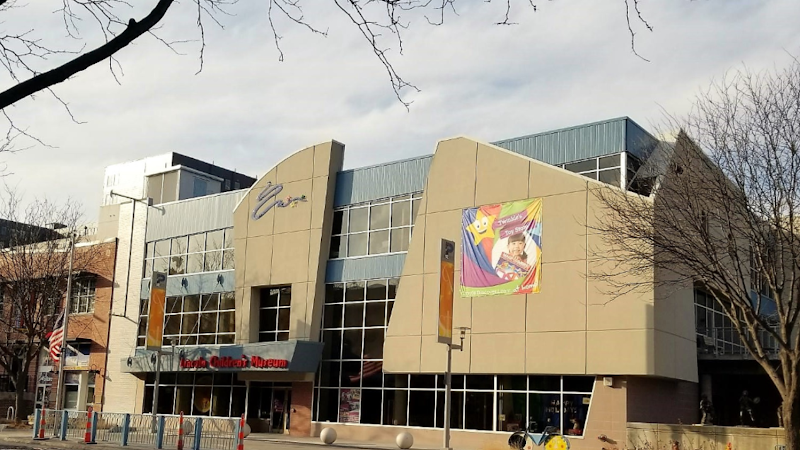
Lincoln Children's Museum

Charles Daley Park

Star City Shores
Find Accommodations Nearby
Recommended Tours & Activities
Visitor Reviews
There are no reviews yet. Be the first one to write one.
Share Your Experience
Have you visited International Quilt Museum? Help other travelers by leaving a review.