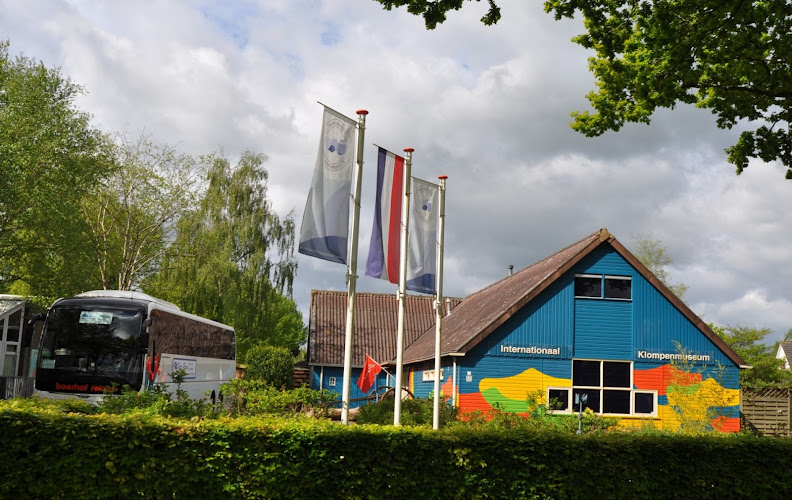
The International Klompenmuseum in Eelde presents a lively, often surprising look at wooden footwear from across the globe and across centuries. Rather than being a dusty cabinet of curios, the museum mixes historical clogs with contemporary design, regional styles with international adaptations, and hands-on demonstrations with a pinch of humor. In 2025 the venue hosts Tentoonstelling 2025, a curated exhibition that refreshes the permanent displays and draws collectors, designers and curious travelers alike. There is also a rotating film program and the yearly Houten Schoeisel Festival, which turns the usually calm museum grounds into a noisy, playful celebration of wooden footwear — parades, craft stalls, live carving and competitions included.
The museum is intentionally welcoming. Its entrance, parking and restrooms are wheelchair accessible, and seating areas inside are arranged so groups can pause and enjoy the displays without feeling rushed. Visitors can expect a small café on site and reliable Wi‑Fi for planning the rest of the day. The collection mixes delicate historical pairs—some with carved toes and painted motifs—with bold designer reinterpretations that could be on a contemporary runway. Labels are informative and often witty; curators like to point out unlikely cross-cultural surprises, such as similar shapes appearing in places far apart geographically.
Families tend to linger — because kids love the shapes and the stories — and the museum makes a sincere effort to be a safe space for LGBTQ+ visitors and transgender guests. It’s also a place that invites curiosity: hands-on workshops teach carving basics, there are occasional film screenings that contextualize footwear in social history, and special display cases highlight the manufacturing processes once common in the region. The museum charges an admission fee but generally offers good value for the amount of content and the quality of programming. Practical comforts — restroom, café, and plenty of on-site parking — reduce friction for day-trippers and international visitors.
To put it bluntly: this is not a shrine to clogs alone. It’s an exploration of identity, craft, labor and design, told through shoes that happen to be wooden. A visit is both educational and oddly moving; at least one museum-goer left thinking about migration patterns, industrialization, and why a practical piece of footwear can become a symbol of cultural pride. The museum’s tone is playful but respectful, and the staff are often the highlight — knowledgeable, funny, and clearly proud of their odd little institution.
Key Features
- Extensive collection of wooden shoes and footwear from regional Dutch clogs to international wooden designs.
- Tentoonstelling 2025 — a special exhibition cycle that introduces new works, themes and guest curators each year.
- Houten Schoeisel Festival — an annual festival with live carving, demonstrations, competitions and family activities.
- Film screenings that explore cultural, historical and design aspects of footwear and rural life.
- Interactive workshops where visitors can try basic clog-carving techniques under supervision.
- Wheelchair accessible entrance, parking, restrooms and seating (no assistive hearing loop available).
- On-site café serving light snacks and drinks; Wi‑Fi available for guests.
- Family-friendly programming and children’s activities; exhibits designed to keep younger visitors engaged.
- Free on-site and street parking for those arriving by car; easy cycling access for local visitors.
- Admission fee; staff often provide multilingual info and friendly guidance.
- Museum shop with handcrafted clogs, local souvenirs and books on footwear history and design.
- A welcoming environment noted for inclusivity; staff and policies emphasize safety and respect for LGBTQ+ visitors.
Best Time to Visit
Choosing the right time makes a big difference. Spring and early autumn often offer the best combo of mild weather and manageable crowds, and they coincide with many of the museum’s special events and workshops. The Houten Schoeisel Festival — usually held during warmer months — is the single liveliest time to visit: expect more vendors, louder crowds, live demonstrations and an overall celebratory feel. If someone values quiet reflection and careful viewing, weekdays in late morning or early afternoon are ideal. Weekends and festival days are energetic and fun, but they’re not the place for a slow, contemplative museum experience.
Weather matters if the visitor plans to combine the museum with cycling or walking in the surrounding countryside. Summers in this part of the Netherlands can be pleasant, but wind and rain arrive suddenly some days; layering is wise. For those chasing photography opportunities, the low light of early autumn creates warm tones on the wooden displays, which look especially rich in the museum’s softer galleries. And if a traveler is coming specifically for Tentoonstelling 2025, it’s best to check the exhibition dates in advance — the rotating shows sometimes overlap with workshops that have limited spaces.
How to Get There
The International Klompenmuseum is located in the Eelde area, within easy reach of Groningen and the surrounding Drenthe region. For international travelers, the nearest major hub is Groningen city, which connects by train and regional buses. From Groningen’s rail station, buses and short taxi rides provide convenient access; cyclists also commonly make the 20–30 minute ride along bike lanes that crisscross the countryside.
By car, the route is straightforward and parking is not usually a problem: free on-site parking and free street parking make the museum a low-stress destination for day trips. Drivers should allow extra time during festival days when demand spikes. For those arriving by plane, Groningen Airport Eelde is nearby and offers taxi links and rental cars; the short transfer makes the museum an easy stop for travelers with a late flight or an extra day to spare.
Practical tip: the area is bike-friendly, and many locals prefer to pedal. Visitors who want an authentic local rhythm should rent a bike in Groningen and enjoy a relaxed ride through flat, open landscapes. Public transportation schedules can change seasonally, so checking local timetables the day before departure is recommended. Accessibility-conscious visitors will appreciate the museum’s accessible entrance and parking, but should note that some older surrounding pathways may be cobbled or uneven — a quick phone call to the museum can clarify the best drop-off points.
Tips for Visiting
Plan ahead for special events. If attending Tentoonstelling 2025 openings or Houten Schoeisel Festival days, buy tickets early when possible and arrive early in the day to avoid the largest crowds. Workshops often have limited capacity; booking a spot in advance — or arriving at opening — increases the chance of carving a small souvenir under expert guidance.
Bring a camera but respect exhibit rules. Photographs are usually welcome in most galleries, but flash and tripods may be restricted near fragile or historic pairs. For visitors who enjoy more tactile experiences: the museum offers designated hands-on stations; otherwise, it’s best to admire in silence and read the labels. The staff are friendly and will often share anecdotes or point out less obvious treasures, so don’t be shy about asking questions. The museum’s team remembers faces — and that personal touch often turns a simple visit into a memorable conversation about craft and community.
Watch the timing for the café. The on-site café serves light bites and is perfect for a coffee break; but for a full lunch, it’s wise to plan a stop in nearby Eelde village where bakeries and small restaurants offer heartier meals. Families with young children should bring small comforts—snacks, a folded stroller, or sensory toys—because the museum’s quieter galleries can feel formal to active toddlers. That said, kids are often enthralled by the shapes, colors and stories of the clogs, so pack patience and a camera.
Accessibility pointers: the main facilities are wheelchair accessible, though the museum does not currently provide an assistive hearing loop. Travelers who rely on hearing assistance should bring their own devices or request written materials when possible. Seating is provided, but some guided elements or outdoor festival areas may involve standing for stretches of time. If mobility is a concern, a brief call to staff ahead of time will help arrange the smoothest route through the exhibits.
Local combination ideas: pairing a museum visit with a stroll through nearby open-air markets, a cycle route through farmland, or a stop at a local cheese maker makes for a fuller day. For photographers and design aficionados, a guided look at the museum’s design-focused displays (often part of Tentoonstelling cycles) provides unexpected inspiration — often leading to a deeper appreciation of how function and ornamentation can coexist in a practical object.
Finally, expect small surprises. The museum has a knack for mixing scholarly detail with playful installations, and occasionally oddities pop up that make people laugh — like oversized novelty clogs or a pair themed to a pop-culture reference. Those delightful little detours turn a regular museum-going afternoon into a story worth telling over dinner, and that’s exactly the point: better than a list of facts, the museum gives visitors a narrative, a conversation starter, and a memory that sticks.
 Real Journey Travels