
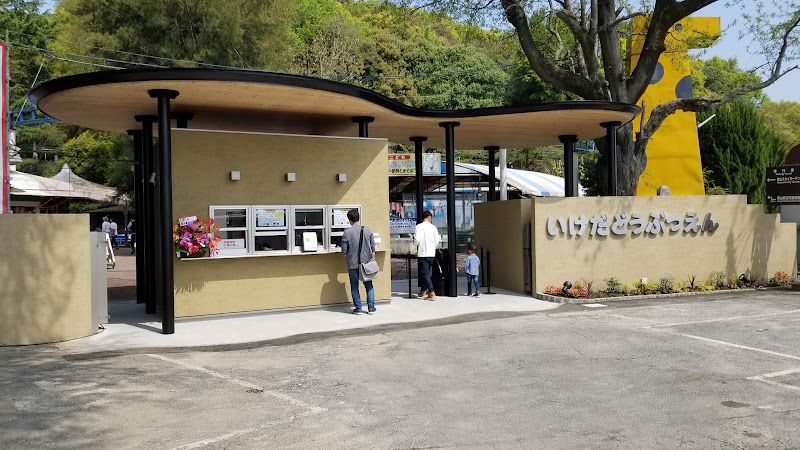
Ikeda Zoo
About Ikeda Zoo
Description
Ikeda Zoo has that kind of old-school charm you can’t really fake. Founded way back in 1953, it’s one of those places that feels like it’s grown up alongside the community around it. You can tell the place has stories—layers of memories from generations of families who’ve wandered its paths, pointing out lions, monkeys, and maybe even feeding a goat or two. It’s not one of those ultra-modern, high-tech zoos with glass tunnels and digital displays everywhere. Instead, it’s got this warm, slightly nostalgic vibe that makes you slow down and actually enjoy what’s right in front of you.
The zoo is home to a surprisingly wide range of animals—everything from big cats to tropical birds, reptiles, and even a few species you might not expect to find in a mid-sized Japanese city. A lot of visitors mention how close you can get to the animals here. There are certain enclosures where you can feed them, and honestly, that’s half the fun. There’s something magical about watching a giraffe lean down to take food right from your hand. It’s the kind of experience that sticks with you long after you’ve left the gates.
Now, I’ll be honest—Ikeda Zoo isn’t perfect. Some parts show their age, and you might notice a few enclosures that could use a little sprucing up. But that’s also part of its authenticity. It’s not trying to be flashy; it’s trying to be real. And it succeeds at that. It’s the kind of place where you can actually feel the caretakers’ dedication. You can tell they care deeply about the animals, even if the facilities aren’t cutting-edge. That sincerity goes a long way. Families, especially those with kids, tend to love it here. There’s a playground, a few shaded rest spots, and plenty of interactive areas that make it more than just a walk-and-look experience.
Key Features
- Home to a diverse collection of exotic and native animals, including lions, tigers, monkeys, and birds.
- Opportunities for visitors to feed certain animals under supervision—a big hit with children.
- Wheelchair-accessible entrances and parking, making it easy for everyone to explore comfortably.
- Playground area for kids to unwind between exhibits.
- On-site paid parking and electric vehicle charging stations (J1772 type connectors available).
- Accepts multiple payment options including credit cards and PayPay, which is convenient for travelers.
- Friendly, knowledgeable staff who often share stories about the animals’ personalities and habits.
One of the things that stands out here is how approachable everything feels. You don’t need to be an animal expert to appreciate it. The layout is simple, the signs are clear, and there’s always something new to notice—whether it’s the way the lemurs interact or the quiet dignity of the elephants. And if you’re like me and love photography, you’ll find plenty of great angles for candid shots. The lighting, especially in the late afternoon, is just beautiful.
Best Time to Visit
If you ask me, spring and autumn are the sweet spots. The weather in Okayama during those seasons is mild, and the animals seem more active. In spring, cherry blossoms frame parts of the zoo, giving it a soft, almost dreamlike atmosphere. Autumn, on the other hand, brings those crisp breezes and warm colors that make walking around feel refreshing rather than tiring. Summer can get hot and humid, so if you go then, bring a hat and plenty of water. Winter visits are quieter, which can be nice if you prefer fewer crowds, though some animals might be less visible.
Weekdays are generally calmer, so if you want to take your time without the buzz of weekend families, that’s your best bet. But there’s also something lovely about hearing the laughter of kids on a Sunday afternoon—it kind of brings the place to life. So really, it depends on what you’re looking for: peaceful exploration or lively energy.
How to Get There
Getting to Ikeda Zoo is pretty straightforward. It’s located within Okayama city, so you won’t have to venture far from the main urban area. If you’re coming by train, the nearest stations connect easily with local buses or taxis that drop you right near the entrance. Driving is also a good option since there’s a paid parking lot on-site. And if you’re driving an EV, you’ll find charging stations available, which is a nice touch not every attraction offers yet. I’ve driven there myself once, and it was a breeze—clear signs, smooth roads, and plenty of parking space even on a busy afternoon.
For those who prefer walking or cycling, the route from central Okayama is scenic enough to make the trip enjoyable. You’ll pass through a few quiet residential streets and maybe catch glimpses of locals going about their day. It’s that blend of everyday life and adventure that makes visiting here feel authentic.
Tips for Visiting
Here’s where I’ll get a bit personal—because I’ve learned a few things the hard way. First off, wear comfortable shoes. The paths are mostly flat but there’s more walking than you might expect. Bring a hat or umbrella, depending on the season, because the sun can be strong and there’s not always shade when you want it. If you’re visiting with kids, plan for breaks. The playground is a lifesaver for letting them burn off extra energy before heading back to see more animals.
Another tip: bring a few coins or small bills if you plan to buy animal feed. It’s not expensive, but it’s cash-based in some areas. And trust me, you’ll want to feed the animals—it’s one of the highlights. Also, pack some snacks or grab something from the small café near the entrance. The food isn’t fancy, but it’s comforting in that “day-trip” kind of way—soft-serve ice cream, simple bento boxes, that sort of thing.
Photography lovers should aim to visit in the morning or late afternoon. The lighting is softer, and the animals tend to be more active. And if you’re traveling during holidays, try to arrive early. It’s not a huge zoo, so the parking lot can fill up fast. Oh, and one last thing—don’t rush. This place rewards patience. Spend a little extra time just watching, listening, and taking it all in. You’ll notice details you’d miss otherwise—the sound of birds calling across the park, the way kids’ laughter echoes off the pathways, or even the quiet satisfaction of the caretakers as they go about their routines.
Ikeda Zoo isn’t about spectacle—it’s about connection. Between people, animals, and the simple joy of being outdoors. It’s the kind of place that reminds you that travel doesn’t always have to be about big, flashy experiences. Sometimes, it’s about rediscovering small wonders in places that have been quietly doing their thing for decades. And that, honestly, is what makes it so special.
Key Features
- Home to a diverse collection of exotic and native animals, including lions, tigers, monkeys, and birds.
- Opportunities for visitors to feed certain animals under supervision—a big hit with children.
- Wheelchair-accessible entrances and parking, making it easy for everyone to explore comfortably.
- Playground area for kids to unwind between exhibits.
- On-site paid parking and electric vehicle charging stations (J1772 type connectors available).
- Accepts multiple payment options including credit cards and PayPay, which is convenient for travelers.
- Friendly, knowledgeable staff who often share stories about the animals’ personalities and habits.
More Details
Updated November 7, 2025
Table of Contents
Description
Ikeda Zoo has that kind of old-school charm you can’t really fake. Founded way back in 1953, it’s one of those places that feels like it’s grown up alongside the community around it. You can tell the place has stories—layers of memories from generations of families who’ve wandered its paths, pointing out lions, monkeys, and maybe even feeding a goat or two. It’s not one of those ultra-modern, high-tech zoos with glass tunnels and digital displays everywhere. Instead, it’s got this warm, slightly nostalgic vibe that makes you slow down and actually enjoy what’s right in front of you.
The zoo is home to a surprisingly wide range of animals—everything from big cats to tropical birds, reptiles, and even a few species you might not expect to find in a mid-sized Japanese city. A lot of visitors mention how close you can get to the animals here. There are certain enclosures where you can feed them, and honestly, that’s half the fun. There’s something magical about watching a giraffe lean down to take food right from your hand. It’s the kind of experience that sticks with you long after you’ve left the gates.
Now, I’ll be honest—Ikeda Zoo isn’t perfect. Some parts show their age, and you might notice a few enclosures that could use a little sprucing up. But that’s also part of its authenticity. It’s not trying to be flashy; it’s trying to be real. And it succeeds at that. It’s the kind of place where you can actually feel the caretakers’ dedication. You can tell they care deeply about the animals, even if the facilities aren’t cutting-edge. That sincerity goes a long way. Families, especially those with kids, tend to love it here. There’s a playground, a few shaded rest spots, and plenty of interactive areas that make it more than just a walk-and-look experience.
Key Features
- Home to a diverse collection of exotic and native animals, including lions, tigers, monkeys, and birds.
- Opportunities for visitors to feed certain animals under supervision—a big hit with children.
- Wheelchair-accessible entrances and parking, making it easy for everyone to explore comfortably.
- Playground area for kids to unwind between exhibits.
- On-site paid parking and electric vehicle charging stations (J1772 type connectors available).
- Accepts multiple payment options including credit cards and PayPay, which is convenient for travelers.
- Friendly, knowledgeable staff who often share stories about the animals’ personalities and habits.
One of the things that stands out here is how approachable everything feels. You don’t need to be an animal expert to appreciate it. The layout is simple, the signs are clear, and there’s always something new to notice—whether it’s the way the lemurs interact or the quiet dignity of the elephants. And if you’re like me and love photography, you’ll find plenty of great angles for candid shots. The lighting, especially in the late afternoon, is just beautiful.
Best Time to Visit
If you ask me, spring and autumn are the sweet spots. The weather in Okayama during those seasons is mild, and the animals seem more active. In spring, cherry blossoms frame parts of the zoo, giving it a soft, almost dreamlike atmosphere. Autumn, on the other hand, brings those crisp breezes and warm colors that make walking around feel refreshing rather than tiring. Summer can get hot and humid, so if you go then, bring a hat and plenty of water. Winter visits are quieter, which can be nice if you prefer fewer crowds, though some animals might be less visible.
Weekdays are generally calmer, so if you want to take your time without the buzz of weekend families, that’s your best bet. But there’s also something lovely about hearing the laughter of kids on a Sunday afternoon—it kind of brings the place to life. So really, it depends on what you’re looking for: peaceful exploration or lively energy.
How to Get There
Getting to Ikeda Zoo is pretty straightforward. It’s located within Okayama city, so you won’t have to venture far from the main urban area. If you’re coming by train, the nearest stations connect easily with local buses or taxis that drop you right near the entrance. Driving is also a good option since there’s a paid parking lot on-site. And if you’re driving an EV, you’ll find charging stations available, which is a nice touch not every attraction offers yet. I’ve driven there myself once, and it was a breeze—clear signs, smooth roads, and plenty of parking space even on a busy afternoon.
For those who prefer walking or cycling, the route from central Okayama is scenic enough to make the trip enjoyable. You’ll pass through a few quiet residential streets and maybe catch glimpses of locals going about their day. It’s that blend of everyday life and adventure that makes visiting here feel authentic.
Tips for Visiting
Here’s where I’ll get a bit personal—because I’ve learned a few things the hard way. First off, wear comfortable shoes. The paths are mostly flat but there’s more walking than you might expect. Bring a hat or umbrella, depending on the season, because the sun can be strong and there’s not always shade when you want it. If you’re visiting with kids, plan for breaks. The playground is a lifesaver for letting them burn off extra energy before heading back to see more animals.
Another tip: bring a few coins or small bills if you plan to buy animal feed. It’s not expensive, but it’s cash-based in some areas. And trust me, you’ll want to feed the animals—it’s one of the highlights. Also, pack some snacks or grab something from the small café near the entrance. The food isn’t fancy, but it’s comforting in that “day-trip” kind of way—soft-serve ice cream, simple bento boxes, that sort of thing.
Photography lovers should aim to visit in the morning or late afternoon. The lighting is softer, and the animals tend to be more active. And if you’re traveling during holidays, try to arrive early. It’s not a huge zoo, so the parking lot can fill up fast. Oh, and one last thing—don’t rush. This place rewards patience. Spend a little extra time just watching, listening, and taking it all in. You’ll notice details you’d miss otherwise—the sound of birds calling across the park, the way kids’ laughter echoes off the pathways, or even the quiet satisfaction of the caretakers as they go about their routines.
Ikeda Zoo isn’t about spectacle—it’s about connection. Between people, animals, and the simple joy of being outdoors. It’s the kind of place that reminds you that travel doesn’t always have to be about big, flashy experiences. Sometimes, it’s about rediscovering small wonders in places that have been quietly doing their thing for decades. And that, honestly, is what makes it so special.
Key Highlights
- Home to a diverse collection of exotic and native animals, including lions, tigers, monkeys, and birds.
- Opportunities for visitors to feed certain animals under supervision—a big hit with children.
- Wheelchair-accessible entrances and parking, making it easy for everyone to explore comfortably.
- Playground area for kids to unwind between exhibits.
- On-site paid parking and electric vehicle charging stations (J1772 type connectors available).
- Accepts multiple payment options including credit cards and PayPay, which is convenient for travelers.
- Friendly, knowledgeable staff who often share stories about the animals’ personalities and habits.
Location
Places to Stay Near Ikeda Zoo
Find and Book a Tour
Explore More Travel Guides
No reviews found! Be the first to review!
Traveler Reviews for Ikeda Zoo
There are no reviews yet. Be the first one to write one.
Have you visited Ikeda Zoo? Help other travelers by sharing your review.
You Might Also Like
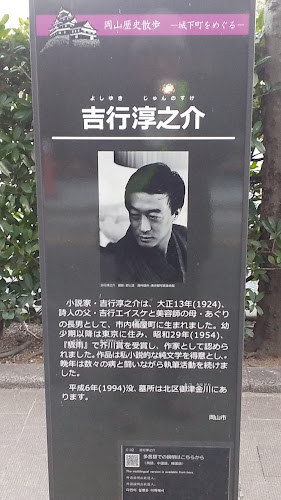
Heiwacho
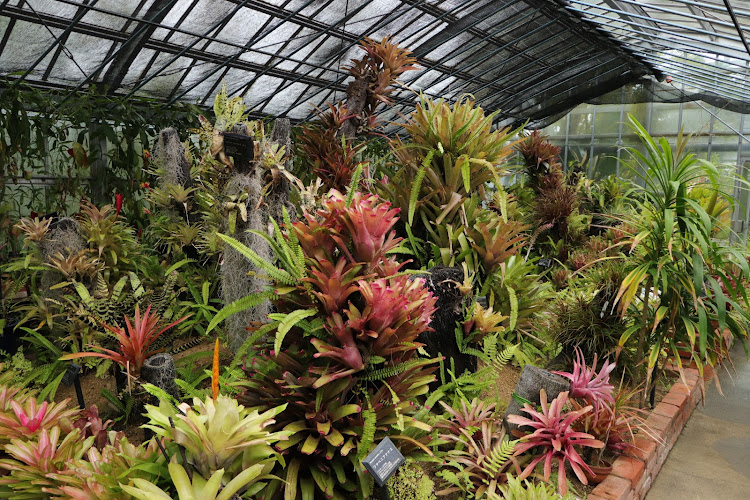
Okayama City Handayama Botanical Gardens

Shimoishii Park
Find Accommodations Nearby
Recommended Tours & Activities
Visitor Reviews
There are no reviews yet. Be the first one to write one.
Share Your Experience
Have you visited Ikeda Zoo? Help other travelers by leaving a review.