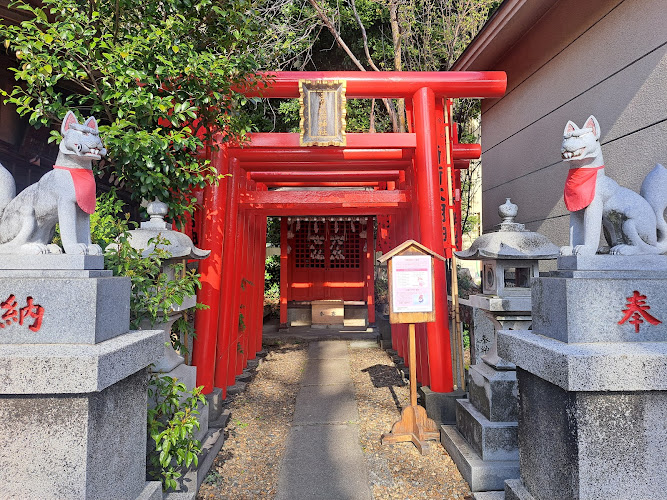
It’s not the kind of shrine that screams for attention with towering gates or crowds of tourists snapping photos every second. Instead, it’s more like a calm pause—a pocket of peace tucked between the rhythm of city life. When you step through its torii gate, the sounds of traffic fade just enough to remind you that Tokyo still has corners where time slows down.
The shrine has that classic Shinto charm—weathered wood, stone lanterns with moss creeping up the sides, and the faint scent of incense drifting through the air. Some say it’s dedicated to the mountain kami, and you can feel that connection to nature even though you’re surrounded by skyscrapers. The trees here seem to stand a little taller, as if guarding the sacred space. It’s small, yes, but it carries a kind of quiet dignity that’s hard to describe until you see it yourself.
What I personally love about Mitake Shrine is how it’s not trying to impress anyone. It’s humble, local, and yet deeply spiritual. You’ll often see nearby residents stopping by for a quick prayer before work, or students tying their omikuji fortunes with a hopeful look. It’s a place where tradition feels lived-in rather than performed. And even though it’s not as famous as Meiji Jingu or Senso-ji, that’s part of its charm—you don’t have to elbow your way through crowds to feel something real.
The atmosphere changes with the seasons. In spring, the cherry blossoms give the shrine a soft pink halo. Summer brings the hum of cicadas and the occasional festival decoration fluttering in the breeze. Autumn, though—that’s when I think it’s at its most beautiful. The leaves turn this deep amber color that makes the wooden structures glow in the late afternoon light. In winter, it’s quiet and crisp, with the faint smell of cedar and the crunch of gravel underfoot.
Visitors often describe the shrine as modest but meaningful. It’s not flashy, but it leaves an impression—like a whispered memory that lingers after you’ve left. And maybe that’s what makes it special. You don’t come here for spectacle; you come to breathe, to think, to just be for a moment.
Best Time to Visit
If you’re planning a visit, timing really shapes your experience. I’d say spring and autumn are the sweet spots. Spring brings those soft cherry blossoms that make the shrine look almost dreamlike. You’ll see locals taking quiet photos or just sitting under the trees, soaking it all in. Autumn, on the other hand, feels more introspective. The colors are rich and moody—perfect for slow walks and reflection.
Summer can be a bit intense with Tokyo’s humidity, but the shade from the shrine’s trees offers some relief. And if you happen to visit during a small local festival, you might catch a glimpse of lanterns, food stalls, or even a traditional dance. Winter is peaceful, almost solemn, but beautiful in its own way. The crisp air and gentle sound of wind through the trees make it feel like you’ve stepped into another time.
So, if you’re after beauty and atmosphere, aim for late March to early April or late October to mid-November. But honestly? There’s no bad time to go—it just depends on what kind of mood you’re chasing.
How to Get There
The shrine is located in the Ikebukuro area of Tokyo, one of the city’s busiest districts, which makes it surprisingly easy to reach. From Ikebukuro Station, it’s just a short walk—maybe ten minutes if you’re strolling leisurely and stopping for coffee along the way. You’ll pass through streets lined with shops and restaurants before suddenly finding yourself at the quiet entrance of the shrine, almost like stepping through a portal from chaos into calm.
If you’re using public transport, the Yamanote Line, Marunouchi Line, or Fukutoshin Line will get you close. There aren’t any special signs pointing the way, so it helps to use a map app or follow the flow of locals who seem to know exactly where they’re heading. Just be aware that the shrine doesn’t have dedicated parking, and it’s not particularly wheelchair accessible, so plan accordingly.
For travelers staying in central Tokyo, this makes a perfect half-day stop—easy to fit between shopping or dining adventures in Ikebukuro. It’s also a great detour if you’re exploring nearby attractions like Sunshine City or the Tokyo Metropolitan Theatre.
Tips for Visiting
Here’s where a few insider tips might come in handy. First, bring cash if you want to get a shuin (the shrine’s seal). It’s a lovely keepsake, hand-stamped and written by the staff, but they usually don’t accept cards. Also, remember to bow slightly before entering the torii gate—it’s a small gesture of respect that locals always notice.
Try visiting early in the morning or just before sunset. The light is softer, the air cooler, and you’ll likely have the place almost to yourself. I once went right after a light rain, and the smell of wet earth and cedar was honestly unforgettable. If you’re into photography, that’s your golden hour.
Be mindful of the space, too. It’s a sacred site, not just a photo backdrop. Keep your voice low, avoid blocking the prayer area for too long, and if you’re unsure about any customs, just observe what the locals do. You’ll pick it up quickly.
And here’s a small but important note: there’s no wheelchair-accessible parking or pathway, so accessibility can be tricky. If that’s a concern, it might be worth contacting local tourism support for assistance before you go.
Lastly, take a moment to sit quietly after your visit. There’s a bench off to the side that’s perfect for just watching the light filter through the trees. It’s one of those rare Tokyo spots where you can actually hear yourself think. And that, in my book, makes it worth the trip.
Ikebukuro Mitake Shrine might not top every tourist list, but that’s exactly why it’s special. It’s a slice of Tokyo that feels personal—one that rewards curiosity and quiet appreciation. Whether you’re a first-time visitor or someone who’s wandered Tokyo’s backstreets more times than you can count, this little shrine has a way of reminding you that even in a city of millions, peace can still be found in the smallest spaces.
 Real Journey Travels