About Igreja Tenrikyo Dendotyo

Description

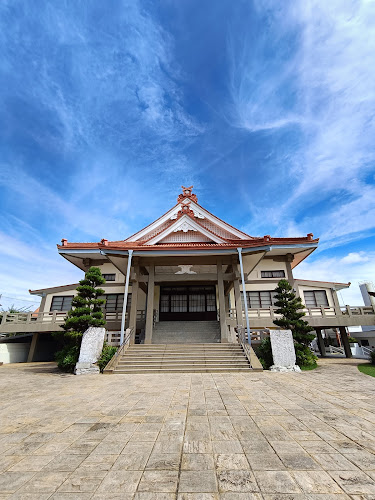
The Igreja Tenrikyo Dendotyo is one of those places that quietly gets under your skin. It doesn’t shout for attention. It doesn’t try to impress with grandiosity or flashy design. Instead, it works slowly, gently, almost stubbornly calm. Travelers who stumble upon it—sometimes on purpose, sometimes just wandering—often talk about how the noise of the city seems to drop a few notches the moment they step inside. And honestly, that tracks.

This church belongs to Tenrikyo, a Japanese-origin religious movement that focuses on joy, gratitude, and everyday acts of kindness. But you don’t need to know a single thing about Tenrikyo to appreciate the space. The building feels intentional in a way that’s hard to explain. Clean lines, uncluttered interiors, and a layout that seems designed to let your breathing slow down. It’s peaceful, yes, but not sterile. There’s warmth here.

The Dendotyo functions as a spiritual and cultural hub, especially for people curious about Japanese religious traditions as they exist outside Japan. And that’s what makes it interesting for travelers. This isn’t a museum frozen in time. It’s a working church. People pray here, volunteer here, clean the floors themselves. When someone bows, it feels sincere, not performative.

I remember visiting a Tenrikyo church years ago in a completely different country, expecting formality and silence. Instead, an older gentleman smiled at me like I was an old neighbor and offered tea. That same feeling shows up here. You might feel slightly out of place at first—most travelers do—but that fades fast. The atmosphere does the heavy lifting.

While overwhelmingly appreciated by visitors for its serenity and welcoming nature, it’s fair to say the experience isn’t dramatic. And that’s the point. A few travelers expect towering altars or ornate artwork and leave thinking, huh, that’s it? But others, the ones who sit for five minutes longer than planned, tend to get it.

Key Features

  • Quiet, minimalist interior designed for reflection rather than spectacle
  • Active Tenrikyo community that welcomes respectful visitors
  • Wheelchair accessible entrance, parking, and restroom facilities
  • On-site restroom available for visitors (a small but meaningful detail when traveling)
  • Clean, well-maintained spaces that feel cared for, not institutional
  • A sense of calm that lingers even after you leave

One thing worth noting—and I say this as someone who pays attention to these details—is accessibility. The church has clearly made an effort to be inclusive. Wheelchair access isn’t an afterthought here. That matters, especially for travelers planning their days carefully and not wanting surprises.

Best Time to Visit

The best time to visit the Igreja Tenrikyo Dendotyo is during the morning or early afternoon. That’s when the light inside feels softer, more forgiving. And light really matters here. It filters in just enough to make the space feel alive without turning it into a photo op.

Weekdays tend to be quieter, which is ideal if you’re visiting for reflection or curiosity rather than observation. On weekends, you may encounter services or community activities. That can be a positive thing, by the way. Seeing the church in use adds context. You understand it better when it’s breathing, not just sitting there.

If you’re sensitive to heat or crowds (and who isn’t sometimes?), aim for mid-morning. Late afternoons can bring more foot traffic, especially from locals stopping by after work. Not crowded, exactly, but busier.

There’s no dramatic seasonal difference, but rainy days oddly enhance the experience. I know that sounds like a travel-writer cliché, but it’s true. Rain slows people down. Inside the church, that creates an even deeper hush. You might hear rain tapping lightly outside, and for a second, everything lines up just right.

How to Get There

Getting to the Igreja Tenrikyo Dendotyo is generally straightforward, especially if you’re already navigating the city comfortably. Public transportation options usually get you close enough for a short walk, and that final stretch often sets the mood. The surroundings gradually quiet down, which feels intentional, even if it’s not.

If you’re using a taxi or ride-share, most drivers recognize the name, or at least the area. And if they don’t, a quick clarification usually does the trick. Driving yourself is also an option, with accessible parking available, which is a relief if you’re planning a packed day.

One small piece of advice from personal experience: give yourself buffer time. Not because it’s hard to reach, but because you might want to linger. I’ve lost track of time in places like this before, thinking I’d stay ten minutes and leaving forty minutes later with my head clearer than expected.

Tips for Visiting

First things first: dress modestly. Nothing extreme, just respectful. You don’t need formal attire, but maybe skip the beachwear. Think comfortable, clean, and considerate.

Silence your phone. Or better yet, turn it off. This isn’t about rules; it’s about giving yourself the gift of being present. And yes, I know how hard that is. I say this as someone who once checked emails inside a church and immediately felt like a jerk.

Photography policies can vary depending on what’s happening at the time. When in doubt, don’t. Or ask. People here are generally kind about questions, especially when they’re asked sincerely.

Don’t rush. This is not a checklist stop. You won’t “see” everything in five minutes because there isn’t a lot to see in the traditional sense. What you’re visiting for is the feeling. Sit down. Watch how people move. Notice the quiet rituals, even the mundane ones like cleaning or arranging items.

If you’re curious about Tenrikyo, gentle questions are usually welcome. But avoid turning it into an interrogation. Think conversation, not interview. And if no one’s around to talk, that’s okay too.

Accessibility-wise, the church is well prepared. If you or someone you’re traveling with needs wheelchair access or restrooms, you won’t be scrambling. That peace of mind counts more than people admit.

Lastly—and this is more of a personal note—let yourself feel whatever comes up. Some travelers feel calm. Others feel emotional for no clear reason. A few feel… nothing much at all. All of that is fine. Not every place hits everyone the same way.

The Igreja Tenrikyo Dendotyo isn’t trying to convert you or impress you. It just exists, quietly confident in what it is. And in a world where so many places are begging for attention, that restraint feels rare. If you’re the kind of traveler who appreciates subtlety, stillness, and spaces with soul, this church is worth your time. Even if you don’t fully understand why until later.

Key Features

  • Quiet, minimalist interior designed for reflection rather than spectacle
  • Active Tenrikyo community that welcomes respectful visitors
  • Wheelchair accessible entrance, parking, and restroom facilities
  • On-site restroom available for visitors (a small but meaningful detail when traveling)
  • Clean, well-maintained spaces that feel cared for, not institutional
  • A sense of calm that lingers even after you leave

More Details

Updated December 31, 2025

Description

The Igreja Tenrikyo Dendotyo is one of those places that quietly gets under your skin. It doesn’t shout for attention. It doesn’t try to impress with grandiosity or flashy design. Instead, it works slowly, gently, almost stubbornly calm. Travelers who stumble upon it—sometimes on purpose, sometimes just wandering—often talk about how the noise of the city seems to drop a few notches the moment they step inside. And honestly, that tracks.

This church belongs to Tenrikyo, a Japanese-origin religious movement that focuses on joy, gratitude, and everyday acts of kindness. But you don’t need to know a single thing about Tenrikyo to appreciate the space. The building feels intentional in a way that’s hard to explain. Clean lines, uncluttered interiors, and a layout that seems designed to let your breathing slow down. It’s peaceful, yes, but not sterile. There’s warmth here.

The Dendotyo functions as a spiritual and cultural hub, especially for people curious about Japanese religious traditions as they exist outside Japan. And that’s what makes it interesting for travelers. This isn’t a museum frozen in time. It’s a working church. People pray here, volunteer here, clean the floors themselves. When someone bows, it feels sincere, not performative.

I remember visiting a Tenrikyo church years ago in a completely different country, expecting formality and silence. Instead, an older gentleman smiled at me like I was an old neighbor and offered tea. That same feeling shows up here. You might feel slightly out of place at first—most travelers do—but that fades fast. The atmosphere does the heavy lifting.

While overwhelmingly appreciated by visitors for its serenity and welcoming nature, it’s fair to say the experience isn’t dramatic. And that’s the point. A few travelers expect towering altars or ornate artwork and leave thinking, huh, that’s it? But others, the ones who sit for five minutes longer than planned, tend to get it.

Key Features

  • Quiet, minimalist interior designed for reflection rather than spectacle
  • Active Tenrikyo community that welcomes respectful visitors
  • Wheelchair accessible entrance, parking, and restroom facilities
  • On-site restroom available for visitors (a small but meaningful detail when traveling)
  • Clean, well-maintained spaces that feel cared for, not institutional
  • A sense of calm that lingers even after you leave

One thing worth noting—and I say this as someone who pays attention to these details—is accessibility. The church has clearly made an effort to be inclusive. Wheelchair access isn’t an afterthought here. That matters, especially for travelers planning their days carefully and not wanting surprises.

Best Time to Visit

The best time to visit the Igreja Tenrikyo Dendotyo is during the morning or early afternoon. That’s when the light inside feels softer, more forgiving. And light really matters here. It filters in just enough to make the space feel alive without turning it into a photo op.

Weekdays tend to be quieter, which is ideal if you’re visiting for reflection or curiosity rather than observation. On weekends, you may encounter services or community activities. That can be a positive thing, by the way. Seeing the church in use adds context. You understand it better when it’s breathing, not just sitting there.

If you’re sensitive to heat or crowds (and who isn’t sometimes?), aim for mid-morning. Late afternoons can bring more foot traffic, especially from locals stopping by after work. Not crowded, exactly, but busier.

There’s no dramatic seasonal difference, but rainy days oddly enhance the experience. I know that sounds like a travel-writer cliché, but it’s true. Rain slows people down. Inside the church, that creates an even deeper hush. You might hear rain tapping lightly outside, and for a second, everything lines up just right.

How to Get There

Getting to the Igreja Tenrikyo Dendotyo is generally straightforward, especially if you’re already navigating the city comfortably. Public transportation options usually get you close enough for a short walk, and that final stretch often sets the mood. The surroundings gradually quiet down, which feels intentional, even if it’s not.

If you’re using a taxi or ride-share, most drivers recognize the name, or at least the area. And if they don’t, a quick clarification usually does the trick. Driving yourself is also an option, with accessible parking available, which is a relief if you’re planning a packed day.

One small piece of advice from personal experience: give yourself buffer time. Not because it’s hard to reach, but because you might want to linger. I’ve lost track of time in places like this before, thinking I’d stay ten minutes and leaving forty minutes later with my head clearer than expected.

Tips for Visiting

First things first: dress modestly. Nothing extreme, just respectful. You don’t need formal attire, but maybe skip the beachwear. Think comfortable, clean, and considerate.

Silence your phone. Or better yet, turn it off. This isn’t about rules; it’s about giving yourself the gift of being present. And yes, I know how hard that is. I say this as someone who once checked emails inside a church and immediately felt like a jerk.

Photography policies can vary depending on what’s happening at the time. When in doubt, don’t. Or ask. People here are generally kind about questions, especially when they’re asked sincerely.

Don’t rush. This is not a checklist stop. You won’t “see” everything in five minutes because there isn’t a lot to see in the traditional sense. What you’re visiting for is the feeling. Sit down. Watch how people move. Notice the quiet rituals, even the mundane ones like cleaning or arranging items.

If you’re curious about Tenrikyo, gentle questions are usually welcome. But avoid turning it into an interrogation. Think conversation, not interview. And if no one’s around to talk, that’s okay too.

Accessibility-wise, the church is well prepared. If you or someone you’re traveling with needs wheelchair access or restrooms, you won’t be scrambling. That peace of mind counts more than people admit.

Lastly—and this is more of a personal note—let yourself feel whatever comes up. Some travelers feel calm. Others feel emotional for no clear reason. A few feel… nothing much at all. All of that is fine. Not every place hits everyone the same way.

The Igreja Tenrikyo Dendotyo isn’t trying to convert you or impress you. It just exists, quietly confident in what it is. And in a world where so many places are begging for attention, that restraint feels rare. If you’re the kind of traveler who appreciates subtlety, stillness, and spaces with soul, this church is worth your time. Even if you don’t fully understand why until later.

Key Highlights

  • Quiet, minimalist interior designed for reflection rather than spectacle
  • Active Tenrikyo community that welcomes respectful visitors
  • Wheelchair accessible entrance, parking, and restroom facilities
  • On-site restroom available for visitors (a small but meaningful detail when traveling)
  • Clean, well-maintained spaces that feel cared for, not institutional
  • A sense of calm that lingers even after you leave

Location

Places to Stay Near Igreja Tenrikyo Dendotyo

Find and Book a Tour

Explore More Travel Guides

No reviews found! Be the first to review!

Traveler Reviews for Igreja Tenrikyo Dendotyo

There are no reviews yet. Be the first one to write one.

Share Your Experience

Have you visited Igreja Tenrikyo Dendotyo? Help other travelers by sharing your review.

Find Accommodations Nearby

Recommended Tours & Activities

Visitor Reviews

There are no reviews yet. Be the first one to write one.

Share Your Experience

Have you visited Igreja Tenrikyo Dendotyo? Help other travelers by leaving a review.