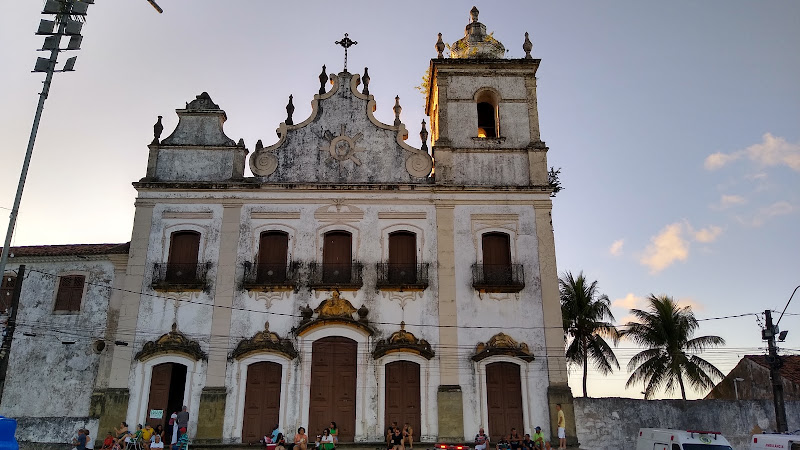
Description Igarassu stands as Brazil’s second-oldest city, a remarkable testament to the country’s colonial heritage that most travelers completely overlook. Founded in 1535, this historic gem sits just 32 kilometers north of Recife in Pernambuco state, yet feels worlds away from the metropolitan hustle. And honestly, that’s exactly what makes it so special. Walking through Igarassu feels like stepping back in time – but not in that forced, touristy way you might expect. The cobblestone streets have seen over 500 years of history unfold, from Portuguese colonizers to Dutch invaders to modern-day Brazilians going about their daily lives. You’ll find yourself sharing sidewalks with locals who’ve probably never seen another foreign tourist, which creates this authentic atmosphere that’s increasingly rare in Brazil’s travel circuit. The city houses Brazil’s oldest church, the Igreja dos Santos Cosme e Damião, built around 1535. But what really gets me excited about Igarassu isn’t just its age – it’s how the past and present coexist so naturally here. Children play soccer in colonial squares while their grandmothers sell fresh tapioca from the same spots where their own grandmothers might have sold goods centuries ago. What sets Igarassu apart from other historic Brazilian cities is its genuine lack of pretense. There’s no overwhelming tourist infrastructure trying to package history into bite-sized experiences. Instead, you discover layers of the past organically – maybe through a conversation with a local fisherman whose family has worked these waters for generations, or while exploring the Pinacoteca de Igarassu Museum’s surprising collection of sacred art. Key Features Igarassu offers several distinctive experiences that make it worth the journey from Recife: Igreja dos Santos Cosme e Damião – Brazil’s oldest church, dating back to 1535, featuring original colonial architecture and religious artifacts that survived Dutch occupation Pinacoteca de Igarassu Museum – Houses Latin America’s largest collection of sacred art, with pieces spanning four centuries of religious expression Historic Colonial Center – Authentic cobblestone streets lined with 16th and 17th-century buildings, many still serving their original purposes Mangue Seco Beach – A pristine stretch of coastline where mangroves meet the Atlantic, offering excellent birdwatching opportunities Casa da Câmara e Cadeia – The old city hall and jail, now a cultural center showcasing local history and rotating art exhibitions Traditional Markets – Weekly markets where local artisans sell handcrafted pottery, textiles, and traditional foods using techniques passed down through generations Colonial-era Convents – Several well-preserved religious complexes that offer insight into Brazil’s early Catholic missionary period Best Time to Visit Timing your visit to Igarassu requires balancing weather conditions with the authentic local experience you’re probably seeking. The dry season from September through February offers the most comfortable exploring conditions, with temperatures hovering around 26-28°C and minimal rainfall interrupting your wandering through historic streets. But here’s something most guides won’t tell you – visiting during the shoulder months of March and August can actually enhance your experience. Sure, you might encounter some afternoon showers, but the slightly cooler temperatures make walking around more pleasant, and you’ll have attractions practically to yourself. I’ve found that some of my most memorable conversations with locals happened while taking shelter from brief downpours under colonial archways. Avoid June and July if possible, not because of weather, but because Brazilian school holidays mean more domestic tourists. While Igarassu never gets truly crowded, the increased visitor numbers can detract from that intimate, undiscovered feeling that makes this place so special. Festival seasons offer unique insights into local culture. The Festa dos Santos Cosme e Damião in September transforms the normally quiet city into a celebration of faith and community that’s been continuous for nearly 500 years. Religious processions wind through the same streets walked by Portuguese colonists, creating a living connection to history that photographs simply cannot capture. Early morning visits work particularly well in Igarassu. The golden hour light hitting colonial facades creates incredible photo opportunities, plus you’ll catch fishermen returning with their daily catch – a scene that’s remained essentially unchanged for centuries. How to Get There Getting to Igarassu is refreshingly straightforward, though your journey options reflect the city’s authentic, non-touristy character. Most visitors fly into Recife’s Guararapes International Airport, then face the decision of how to cover those final 32 kilometers. Renting a car provides the most flexibility and honestly, the drive along PE-001 offers beautiful coastal views that many visitors miss by taking other transport. The highway is well-maintained, and having your own vehicle means you can explore Mangue Seco Beach and other coastal areas at your own pace. Parking in Igarassu’s historic center is surprisingly easy – another benefit of its off-the-beaten-path status. Public buses run regularly between Recife and Igarassu, operated by several companies including Metropolitana. The journey takes about 45 minutes to an hour depending on traffic, and costs roughly R$5-8. Buses depart from Recife’s central bus terminal every 20-30 minutes throughout the day. Just don’t expect luxury – these are working buses for locals, not tourist coaches. Uber and taxi services operate between Recife and Igarassu, though prices can be unpredictable depending on demand. Expect to pay around R$80-120 for the one-way trip. Some taxi drivers are incredibly knowledgeable about local history and essentially provide unofficial tours during the journey – one of those serendipitous travel experiences you can’t plan but should remain open to. For adventurous travelers, combination boat-bus trips are possible. You can take a boat from Recife’s port area to nearby coastal towns, then connect via local transport. This takes longer but offers unique perspectives on the coastline that most visitors never see. Tips for Visiting Visiting Igarassu successfully requires adjusting your expectations from typical tourist destinations. This isn’t a place with visitor centers, guided tour groups, or multilingual signage. And that’s exactly why it’s so rewarding for travelers seeking authentic experiences. Portuguese language basics will significantly enhance your visit. Many locals, especially older residents who serve as unofficial historians, speak limited English. But I’ve found that even attempting basic Portuguese phrases opens doors to conversations and experiences that would otherwise remain closed. Download a translation app as backup, but don’t rely on it exclusively. Cash remains king in Igarassu. While larger establishments accept cards, many local vendors, small restaurants, and artisans prefer cash transactions. ATMs are available but limited, so arrive with sufficient reais rather than hunting for machines while exploring. Comfortable walking shoes are absolutely essential. Cobblestone streets, while historic and charming, can be challenging to navigate in inappropriate footwear. Your feet will thank you after spending hours exploring colonial architecture and wandering through less touristy neighborhoods where sidewalks might be uneven. Timing visits to coincide with local meal times creates opportunities for authentic dining experiences. Many family-run restaurants don’t maintain strict schedules but prepare fresh meals when ingredients are available. Ask locals for recommendations rather than relying on online reviews – most of Igarassu’s best food experiences aren’t documented digitally. Photography etiquette matters more in Igarassu than in typical tourist destinations. Since you’ll be exploring a real community where people live and work, always ask permission before photographing individuals. Most locals are friendly and accommodating, but respect their privacy and daily routines. Weather can change quickly due to coastal location. Pack a light rain jacket even during dry season, and bring sun protection for beach exploration. The combination of historical walking tours and beach time means preparing for various activities and conditions. Consider staying overnight if your schedule permits. While day trips from Recife are possible, spending at least one night allows you to experience Igarassu’s peaceful evening atmosphere and early morning charm when the historic center feels most authentic. Accommodation options are limited but include charming pousadas that enhance the historical experience.