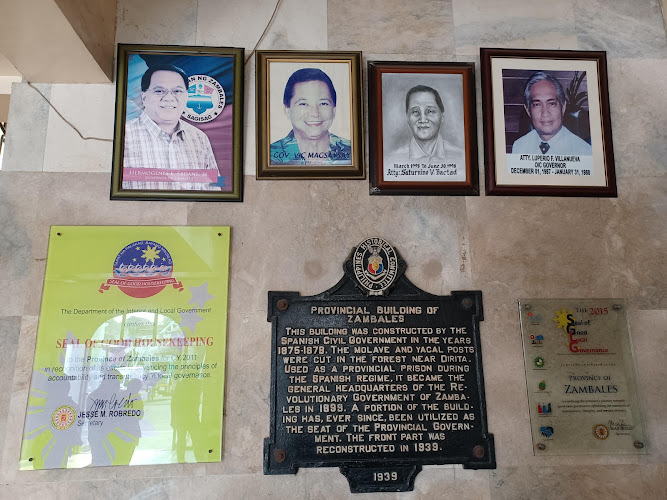
Iba Historical Marker offers a small but purposeful encounter with the history of Iba, the capital of Zambales. Its value lies less in spectacle than in attention: visitors can stop, read the marker carefully, and consider how a single commemorative site anchors a larger local narrative. For travelers moving through town, it provides a welcome reason to slow down and look beyond the practical rhythm of a provincial center.
The setting is best understood as part of Iba rather than as a stand-alone all-day attraction. The town is a useful base for exploring Zambales, and this marker can give a visit a stronger historical frame before or after other plans. Allow room for observation, photographs, and a close reading of the information presented on site. Details on historical markers matter; names, dates, and wording often reveal the specific event, person, or institution being commemorated.
What to See & Experience
Begin with the marker itself. Read it from start to finish before drawing conclusions from a quick glance or from secondary retellings. A historical marker is designed to condense a story, so its language can be a useful starting point for questions about Iba’s development, public life, and relationship to the wider history of Zambales and the Philippines. Take a moment to note the official wording, the historical period referenced, and any place names that may guide further research.
- Read the complete inscription and note dates or names mentioned.
- Use the marker as a starting point for local-history questions.
- Photograph the text for later reading, where permitted.
- Observe its position within the surrounding townscape and civic setting.
- Combine the stop with a leisurely walk through central Iba.
- Ask local cultural offices or residents about related heritage sites.
The experience rewards a deliberate pace. Rather than arriving with a fixed story in mind, let the wording on the marker lead the visit. If the text is difficult to read because of glare, weather, or passing activity, return at a different time of day or take a wider photograph and review it later. Visitors interested in deeper context can look for local publications, museum materials, or municipal heritage resources after their visit, while treating the marker’s own inscription as the primary on-site reference.
Practical Visitor Strategy
| Planning Factor | Visitor Advice |
|---|
| Best Time to Go | Choose daylight hours for easier reading, clearer photographs, and a more comfortable walk around town. |
| Suggested Duration | Set aside about 10 to 20 minutes for reading, viewing, and taking a few considered photographs. |
| Crowd & Pacing Tips | Keep the stop flexible; visit between other town errands or sights and allow time to read without rushing. |
| Getting Oriented | Confirm the marker’s current position and access conditions locally before setting out, especially if following older directions. |
| Nearby Pairing | Pair it with a walk through central Iba, then choose museums, civic sites, dining, or coastal plans that are currently open. |
Because this is a concise outdoor-style heritage stop rather than a staffed interpretive center, preparation can improve the visit. Bring water when exploring on foot, protect yourself from sun or rain according to the weather, and keep expectations proportionate to the scale of the site. Avoid blocking paths or treating the memorial area as a prop; a quiet, respectful approach is especially appropriate at commemorative landmarks. If traveling with children, turn the short stop into an activity by asking them to identify dates, unfamiliar terms, and clues about why the location was selected.
Who Will Enjoy It Most (and Trade-Offs)
The marker is particularly well suited to heritage-minded travelers, local-history readers, school groups, and independent visitors who enjoy finding meaning in small places. It also works for families who want a brief educational pause without committing to a formal tour. Photographers may appreciate the opportunity to record a piece of local civic memory, although the site should be approached first as a historical reference rather than a destination built around elaborate visual displays.
The main trade-off is scale. Visitors seeking extensive galleries, guided interpretation, large exhibits, or a major architectural landmark may find the stop too brief on its own. Accessibility and comfort can also depend on the immediate condition of surrounding walkways, roadside activity, weather, and available shade, so visitors with mobility needs should assess the area on arrival and plan accordingly. Build the marker into a wider Iba itinerary: explore the town center at an unhurried pace, seek out verified cultural stops, and consider other Zambales activities only after checking current access, transport, and operating information.
 Real Journey Travels